
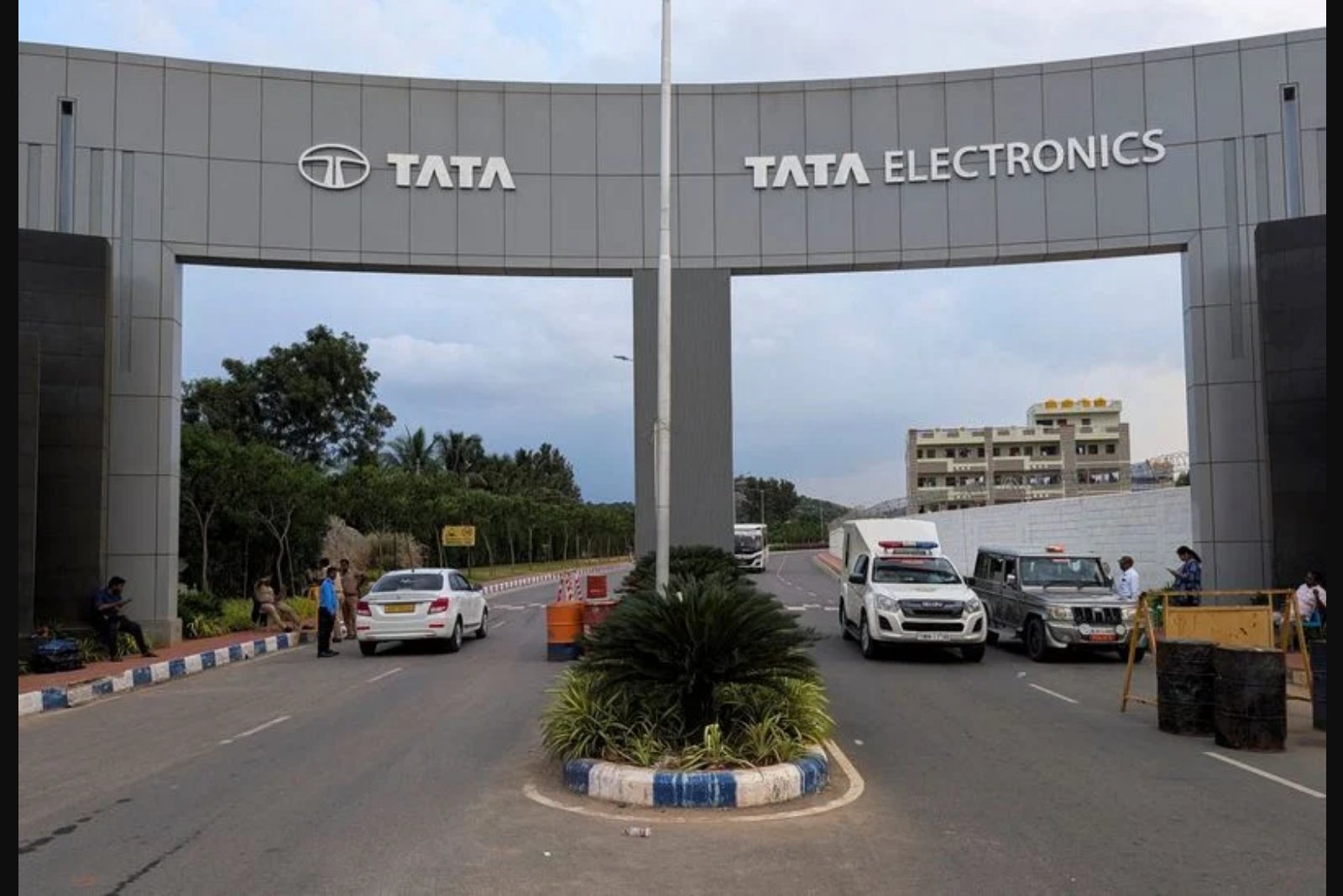
The Tamil Nadu Pollution Control Board has issued a formal warning to Tata Electronics after inspectors concluded that wastewater from the company's Hosur facility had contaminated groundwater used by adjacent farms. The board's three-page notice, dated May 25, followed a series of five inspections carried out between December 2025 and May 2026 and cautioned that the unit could face a forced shutdown unless Tata offers a satisfactory explanation.
The factory in question, located in Hosur in southern Tamil Nadu state, produces back panels and other components for Apple iPhones. Local farmland owners had raised complaints for months, telling the pollution authority that wastewater originating from the plant was entering their fields and open wells.
According to the pollution board's notice, inspectors found that Tata discharged wastewater into a rainwater harvesting pond inside the facility and that the pond subsequently overflowed, leading to contamination of what the board described as "groundwater in the open wells located in the adjacent agricultural lands." The regulator also stated that Tata had not implemented corrective measures previously instructed in a December 23, 2025 letter from the board.
In response to the allegation, Tata Electronics provided a statement saying it had commissioned an independent analysis through an accredited laboratory, and that the study determined the company was "in full compliance with all regulatory norms." Tata also said it is "committed to responsible business practices and protection of the environment and local communities" and that it had responded to pollution authorities, but the company did not provide further operational details.
The pollution board's May notice specifically asked Tata to explain why power to the unit should not be cut and why the unit should not be closed for the alleged breaches of environmental rules. Requests for comment from Apple and the Tamil Nadu government did not receive responses.
The notice adds to a string of operational and compliance issues affecting Apple's suppliers in India. A fire at Tata's Hosur plant in September 2024 briefly halted production of iPhone components, while a separate blaze in September 2023 at former supplier Pegatron's iPhone facility shut production for several days. In 2024, an investigation found that a major Apple supplier, Foxconn, systematically excluded married women from assembly jobs at one of its India plants, although the supplier at the time stated compliance with applicable laws.
India's role in Apple’s global iPhone supply chain has been expanding rapidly. Projections indicate India could produce roughly 26% of iPhones worldwide in 2026, up from about 6% four years earlier, reflecting a broader push by Apple to diversify assembly and component production beyond China. Tata Electronics is central to that strategy and is identified as the second-largest supplier to Apple in South Asia, after Taiwan’s Foxconn.
For nearby farmers and local communities, the pollution board's findings raise immediate concerns about the safety of water drawn from open wells used for irrigation and other agricultural needs. The regulator's notice suggests the contamination was linked to an overflow scenario rather than an isolated spill, pointing to systemic issues in wastewater handling at the site.
Tata's assertion that an accredited laboratory found no regulatory breaches contrasts with the pollution board's directive and its request for remedial action dating back to December 2025. The board's escalation to a potential shutoff of power and closure signals the regulator's willingness to impose severe operational consequences if its concerns are not satisfactorily addressed.
At this stage, the pollution board has called for a formal explanation from Tata, and further enforcement steps may follow depending on the company's response and any subsequent remedial measures. The situation highlights both environmental and operational vulnerabilities within supply chains that are rapidly shifting production geography, with implications for manufacturers, technology companies reliant on these suppliers, and the agricultural communities neighboring industrial facilities.