
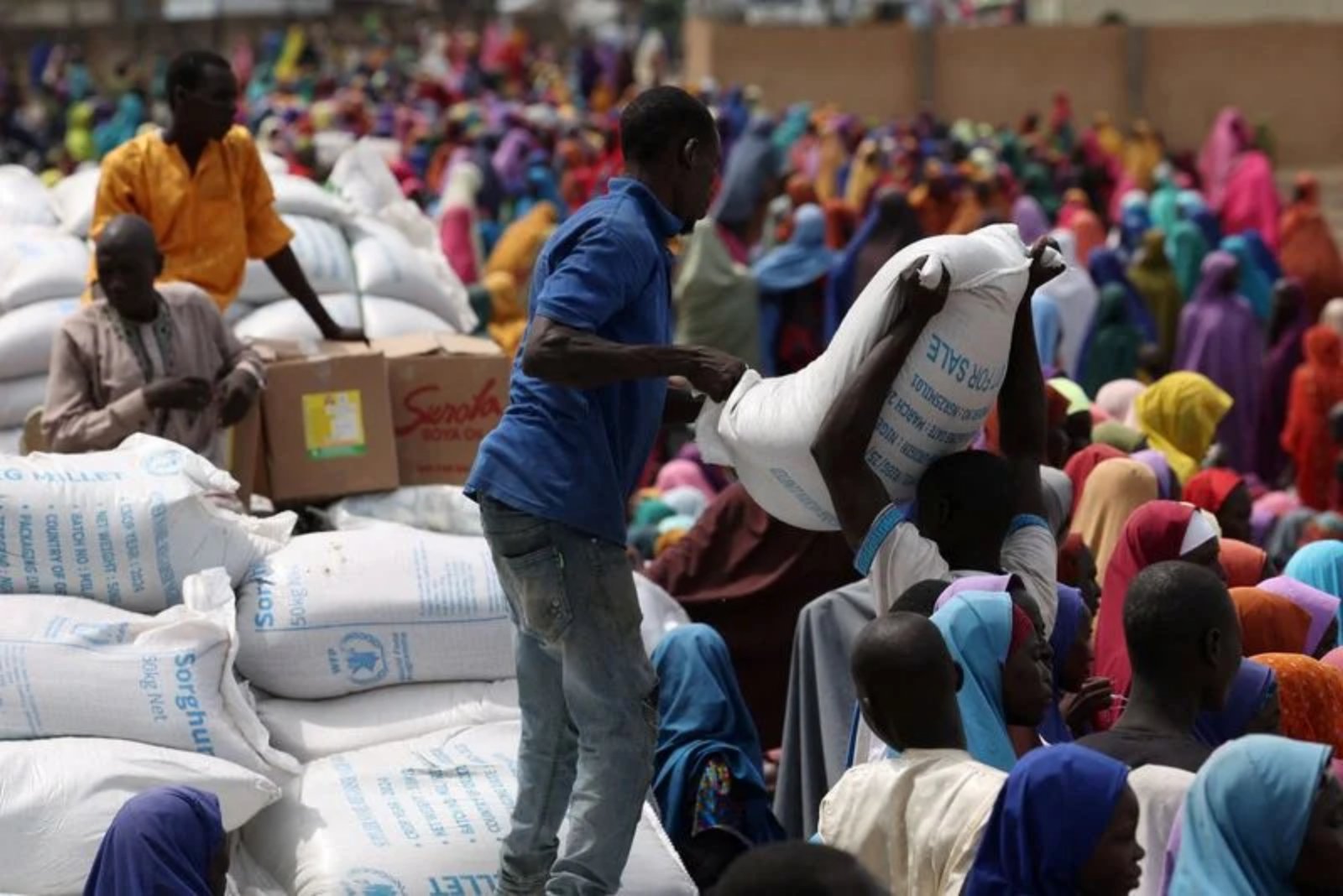
One year after the Trump administration closed the U.S. Agency for International Development (USAID), public sentiment toward overseas assistance remains broadly favorable when voters are provided with context about what such programs accomplish and how much they cost.
The Rockefeller Foundation released results Tuesday from a poll of 2,022 voters conducted June 12-16 by Echelon Insights. The survey found that 78% of respondents favored maintaining or expanding foreign aid spending. Support rose markedly after respondents were told that foreign aid composed about 1% of the U.S. federal budget before 2025 and were given details about the programs’ purposes and outcomes.
Overall backing for foreign assistance climbed to 70% from an initial 54% once respondents received that briefing, the poll reported. Among Republicans, support increased to 58% after additional information. The subgroup described as MAGA Republicans - defined in the poll as voters who primarily support former President Donald Trump over the Republican Party - moved from greater initial skepticism to 50% backing after being briefed.
These shifts were particularly pronounced for specific program areas. When asked about targeted uses of aid such as disease prevention and international peacekeeping, support rose sharply. The poll indicated that 80% of respondents favored reforming and strengthening safeguards around foreign assistance rather than eliminating it. Just 12% said foreign aid should be cut across the board without regard to impact.
Respondents also widely overestimated the cost of foreign aid. More than a third believed that overseas assistance consumed 20% of the federal budget, a perception far above the actual pre-2025 share conveyed to poll participants.
The survey results come after a series of policy moves that dramatically reduced U.S. foreign assistance capacity. When the Trump administration took office in January 2025 it ordered the closure of USAID. That action led to the dismissal of well over 10,000 USAID personnel and contractors and the cancellation of thousands of programs. Officials and aid operators reported turmoil for U.S.-funded operations relied upon by millions of the world’s poorest people.
U.S. foreign aid disbursements fell to $47 billion in fiscal year 2025, down from $72 billion the prior year, according to U.S. data cited in the poll materials.
A recent study published in The Lancet warned that those funding reductions could be associated with more than 14 million additional deaths by 2030, a finding cited in the poll briefing that appeared to influence respondents’ views on the human consequences of aid cuts.
Public receptivity changed substantially when the poll presented concrete examples. For instance, Republican support for restoring funding to combat the Ebola outbreak in the Democratic Republic of Congo rose to 62% in favor versus 24% opposed after participants were shown expert assessments that U.S. funding reductions had been a significant factor in the disease’s rapid spread. Among MAGA-aligned voters, backing for restoring Ebola-related aid rose to 52% versus 34% opposed under the same briefing.
John Gans, a former Pentagon speechwriter and project lead at The Rockefeller Foundation, commented on the findings: "This data is a direct rebuttal to anyone who claims Americans have lost their appetite for the world. One year after USAID’s razing, a majority of Americans don’t just want to ensure federal funding to feed the hungry, cure the sick, and respond to crisis around the world - they see good reason to increase it."
The administration has indicated a response to the widening Ebola outbreak and is seeking more than $1.4 billion in new funds from Congress to help fight it. Poll authors and foundation officials used that and similar program-level information to measure how voters adjusted their views when presented with the scale and impact of U.S. foreign assistance.
Beyond aggregate approval rates, the poll underscores how information about cost and program impact can reshape public opinion across political groups. MAGA voters, who initially registered the highest levels of skepticism, exhibited the largest net swing toward support after receiving additional facts - a 27-point move according to the poll summary.
Those results suggest that public preferences on foreign aid are not fixed and can be influenced by clarity about expenditures and outcomes. The Rockefeller Foundation characterized the findings as evidence that many Americans favor continuing or expanding federal backing for humanitarian relief, disease control, and security assistance despite the institutional disruptions of the previous year.
Methodology note: The survey of 2,022 voters was conducted June 12-16 by Echelon Insights and was commissioned by The Rockefeller Foundation. The poll included questions about respondents’ initial views on foreign aid, their perceptions of its cost, and their reactions after being briefed on program impacts and budget share.