
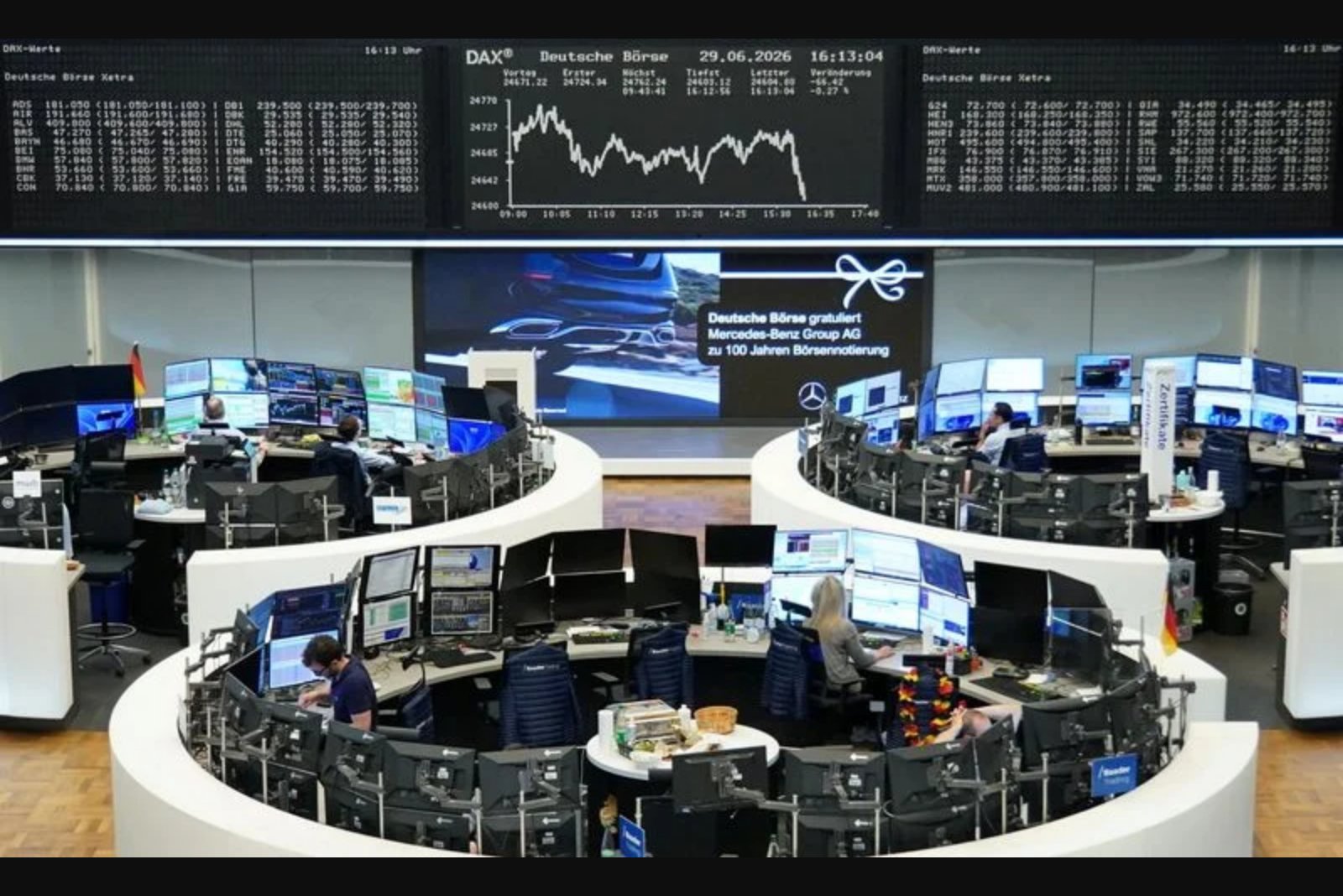
Markets began the new quarter with a buying bias as investors put on trades that will settle the following day. This session acts as the first day of purchases for the quarter ahead, and activity pointed to continued appetite for risk despite several geopolitical and macro developments.
Oil, which had been hit by the largest supply shock on record, has largely been absorbed by markets. Analysts and traders saw demand reductions in China, new shipping routes and additional producer output help fill the crude shortfall. As a result, oil prices have moved back to levels seen before the U.S.-Israeli-Iran conflict that began at the end of February, and subsequent skirmishes that threaten the ceasefire have elicited minimal market response.
Fixed income markets have shown a similar tendency to move on. Traders remain aligned with expectations for modest U.S. rate increases, but crucially they attribute those moves to robust U.S. growth rather than an anticipation of runaway inflation. The bond market appeared largely unmoved by the U.S. Supreme Court’s refusal, anticipated in January, to permit President Donald Trump to remove Federal Reserve governor Lisa Cook.
Equities have been buoyed by an ongoing AI-led rally. South Korea’s KOSPI recorded gains of about 100% in the first half of the year, while Japan’s Nikkei posted a record quarterly rise near 36%. These headline moves have coincided with somewhat counterintuitive capital flows: foreign investors have withdrawn cash from South Korea, pushing down the won as they take profits and rebalance positions amid the rally. That dynamic has left retail investors following the momentum.
Market staff noted that recent bouts of volatility could redirect attention toward a wider array of appreciating but less overheated stocks in Europe and parts of Asia. Europe’s STOXX index has risen roughly 9% for the quarter, while mainland China blue chips are up about 10% over the same period.
Currencies have reflected differing monetary policy trajectories. The yen weakened sharply, crossing 162 to the dollar in the Asia session for the first time since 1986, a move market participants say increases the likelihood of intervention as the rate approaches 165. The won has also been pressured amid the foreign outflows described above. Traders see Japan as falling behind a broader global trend toward higher interest rates, a view that is weighing on the yen.
Later in the day, attention will turn to a slate of European inflation readings from Germany, France and Italy that could show lower annual rates and reinforce the view that European rates may remain on hold for some time. The European Central Bank’s Isabel Schnabel is scheduled to appear on a panel in Sintra, where U.S. Federal Reserve Chair Kevin Warsh is also due on Wednesday.
Key developments that could influence markets on Tuesday include:
- Economics: European inflation reports, British GDP, U.S. job openings and U.S. consumer confidence.
- Events: The Sintra Forum with appearances from ECB and Fed officials.
These data points and appearances will be watched for signals on the durability of growth, inflation trends and central bank policy stances, which in turn may affect asset allocation across energy, fixed income, equities and currencies.