
Stock Markets June 30, 2026 02:23 AM

Switzerland to streamline US standards recognition for cars and medical devices as tariff talks proceed

Federal Council to amend regulations to align conformity assessments and procurement recognition while talks to formalise November tariff roll-back continue

By Avery Klein
Share
Twitter Reddit Facebook LinkedIn

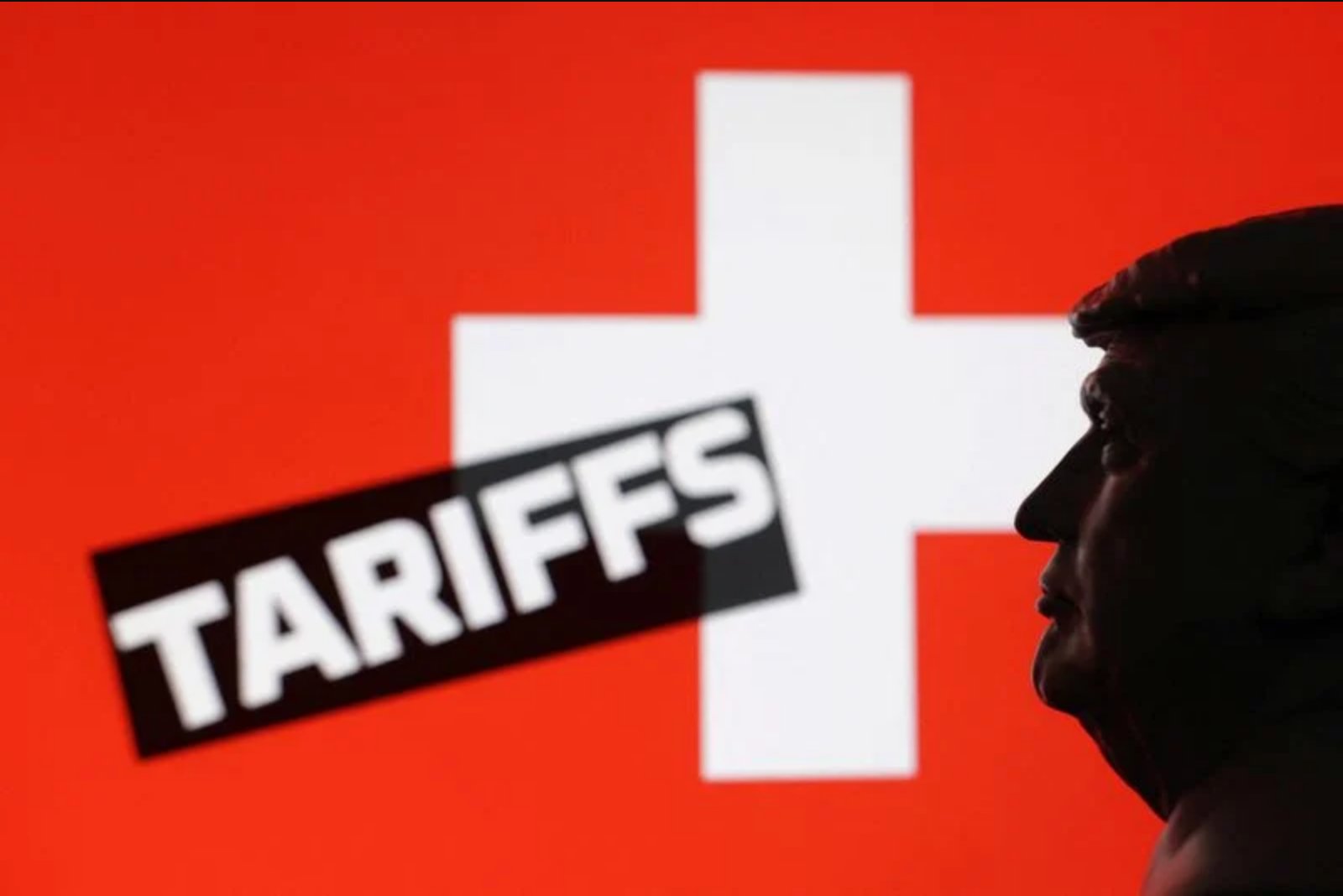
Switzerland announced regulatory steps to implement commitments from a preliminary U.S. tariff agreement reached last November. The measures aim to simplify Swiss recognition of American standards for automobiles and medical devices, ease recognition of U.S. conformity assessment bodies, and facilitate government procurement recognition as formal trade talks with Washington continue. Swiss officials said they expect the United States to uphold the earlier tariff reduction.

Switzerland to streamline US standards recognition for cars and medical devices as tariff talks proceed
Summarize with
ChatGPT Perplexity Claude Grok Gemini

Key Points

  • Switzerland will streamline recognition of U.S. standards for cars and medical devices and ease recognition of U.S. conformity assessment bodies - impacting exporters in automotive and medical device sectors.
  • Measures will be implemented via regulatory amendments intended to give Swiss exporters greater planning certainty and stabilise bilateral economic relations.
  • Talks to formalise the November tariff reduction (from 39% to 15%) are ongoing but appear unlikely to conclude during President Guy Parmelin's current trip; uncertainty around temporary U.S. tariff arrangements persists.

Switzerland's government said late on Monday it will take further regulatory measures intended to put into practice commitments made under a provisional tariff agreement with the United States reached last year. The planned actions include simplifying how Swiss authorities recognise U.S. standards for automobiles and medical devices, along with facilitating the recognition of U.S. conformity assessment bodies and steps related to government procurement.

In a statement, the Federal Council characterised the measures as enhancing stability in bilateral economic ties and providing exporters in Switzerland with improved planning certainty. The council said it will implement the intended changes through amendments to existing regulations and reiterated its expectation that the United States will respect the tariff concessions negotiated in November.

The announcement coincides with the start of a multilateral visit by Swiss President Guy Parmelin to the United States, Canada and Mexico that runs through July 9. Parmelin, who also serves as Switzerland's economy minister, is scheduled to meet U.S. Trade Representative Jamieson Greer during the trip.

Last summer, the United States imposed a 39% duty on products imported from Switzerland, the highest U.S. tariff level applied to any European country at that time. The bilateral arrangement reached in November lowered that tariff to 15%, aligning Switzerland's rate with the European Union's. Swiss and U.S. officials have continued discussions to formalise the accord, but those talks appear unlikely to conclude during Parmelin's current visit, according to a Swiss source familiar with the matter.

Separately, the United States set a universal 10% tariff in February after the U.S. Supreme Court declared certain earlier tariffs illegal. That temporary 10% rate is scheduled to expire on July 24. The Swiss government and market observers note uncertainty over what will replace that measure, as many analysts expect the temporary rate could be succeeded by higher levies.

The regulatory adjustments Switzerland plans to enact focus on administrative recognition processes - affecting how Swiss authorities and markets accept U.S. conformity assessments and standards - rather than on any immediate change to tariff schedules. The Federal Council said its steps are intended to provide clarity to exporters and to stabilise the economic relationship while formal negotiations with Washington continue.


Context and next steps

The Federal Council will push the measures through regulatory amendments. Formalisation of the November tariff agreement remains the subject of ongoing talks, and there is no indication those negotiations will be completed during the current Swiss presidential visit.

Risks

  • Formal trade talks have not been concluded and are unlikely to finish during the current Swiss presidential visit, leaving timeline uncertainty for a binding agreement - this affects exporters and market access.
  • The universal 10% U.S. tariff that took effect in February is due to expire on July 24 and could be replaced by higher levies, creating potential cost and pricing uncertainty for Swiss imports and exporters.
  • Implementation depends on regulatory amendments and reciprocal action from the United States; if either side alters commitments, exporters in affected sectors such as automotive and medical devices could face renewed uncertainty.

More from Stock Markets

Finnish-Led Consortium Launches SEK 0.20 Per-Share Offer; Aino Health Stock Soars 52% Jun 30, 2026 Saga says cruise bookings beat forecasts but warns holiday travel could dip amid Middle East tensions Jun 30, 2026 Deutsche Bank lifts Adidas price target, cites World Cup and stronger earnings momentum Jun 30, 2026 Maersk Doubles Down on 2026 Outlook as Freight Rates Climb; Shares Rally Jun 30, 2026 Abivax Shares Rally as Phase 3 Readout Delivers Efficacy and Clears Key Safety Concern Jun 30, 2026