
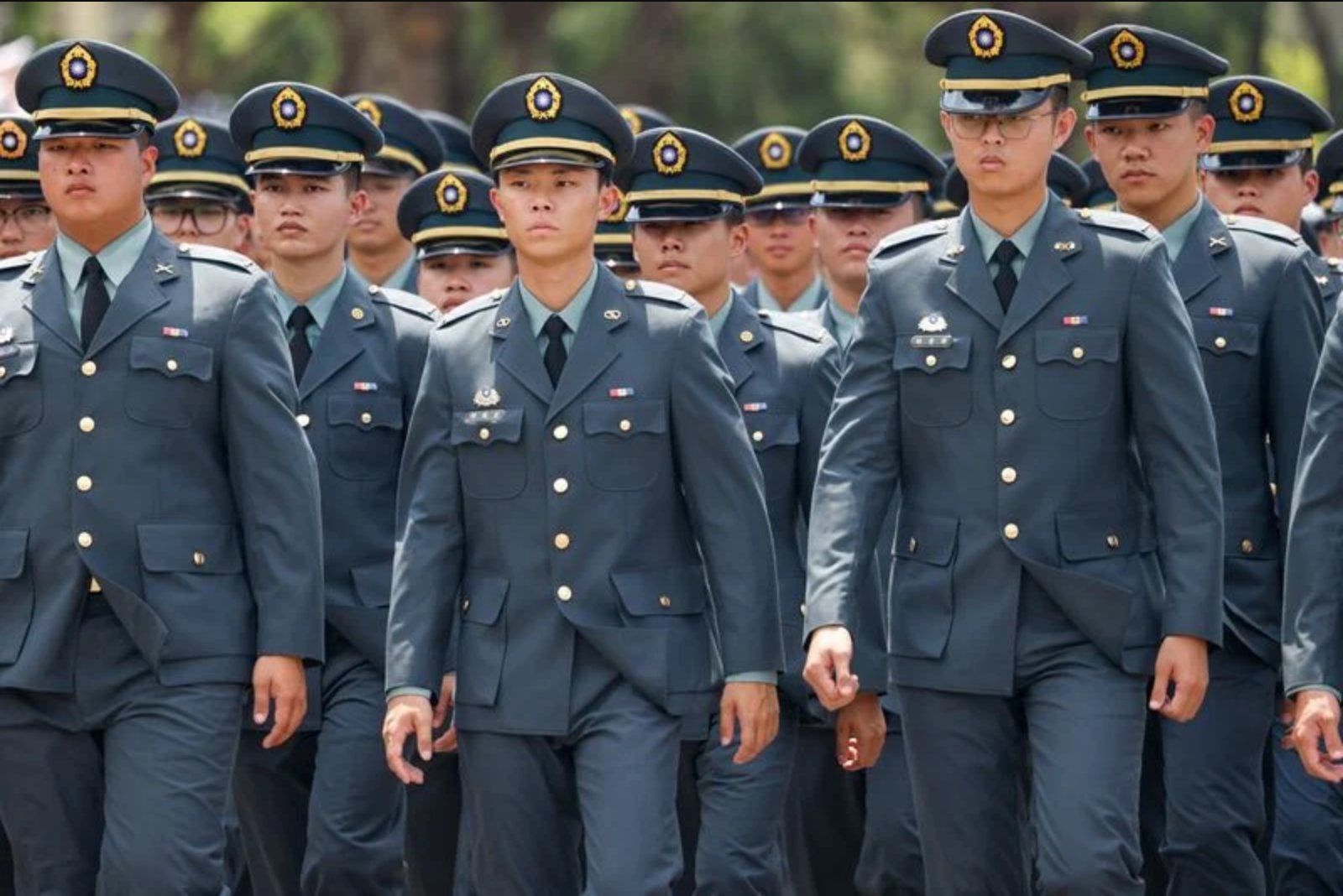
TAIPEI, June 30 - Taiwan’s president used a graduation address to military cadets to warn against succumbing to Chinese spying and to urge a steadfast defence of democratic institutions. Speaking at Fu Hsing Kang College on the outskirts of Taipei, Lai Ching-te framed the message around loyalty, vigilance and the historical mission of the institution.
"A soldier’s honour stems from loyalty," Lai told the graduating class. He singled out what he described as a range of hostile activities directed at Taiwan’s armed forces, including infiltration, division, sabotage and espionage, and urged the officers to develop a "clear awareness of friend and foe." He said resisting threats and temptations is necessary to defend the island’s sovereignty and security.
China regards Taiwan as its own territory and has never renounced the use of force to bring the island under its control, Lai noted. The Chinese military operates daily around Taiwan, and Taipei has reported a rise in espionage cases, particularly within its armed forces. Lai’s remarks were delivered at an institution established during the early Cold War to train officers in political warfare and to instil anti-communist sentiment.
Fu Hsing Kang College, today a constituent college of the National Defence University, was founded in 1951, two years after the Republic of China government retreated to Taiwan following defeat in the civil war to Mao Zedong's forces. Its original remit was explicitly to prepare officers in political warfare and to cultivate anti-communist conviction within the military - a legacy that remains evident in the college’s atmosphere and ceremonial trappings.
On either side of the hall where Lai spoke are prominent Chinese characters reading, "I regard the nation’s rise or fall as my own personal responsibility," a line penned by former Taiwan leader Chiang Kai-shek near the end of his life. Chiang remains a divisive historical figure on the island, condemned by some for the harsh measures of his rule and held up by others for his uncompromising stance against communism.
The college’s Cold War role extended beyond Taiwan; it also trained officers from other countries aligned against communism and continues to host foreign students. Among those attending Tuesday’s ceremony were the ambassadors of Belize, Guatemala and Paraguay - nations that maintain formal diplomatic relations with Taiwan - and the de facto ambassador from Jordan, which does not officially recognise Taiwan but retained close Cold War military ties.
Context and continuity
Lai’s speech emphasised continuity with the college’s historic mission even as he linked that mission to contemporary security concerns. He explicitly urged the graduates to oppose communism, to guard against infiltration and to uphold democracy and freedom, while asserting that the Republic of China and the People’s Republic of China are not subordinate to one another.
The ceremony underscored both symbolic and practical dimensions of Taiwan’s security posture: symbolism in the college’s preservation of Cold War-era rhetoric and artefacts, and practical concern in the face of reported increases in espionage targeting Taiwan’s military and the ongoing presence of Chinese military forces around the island.