
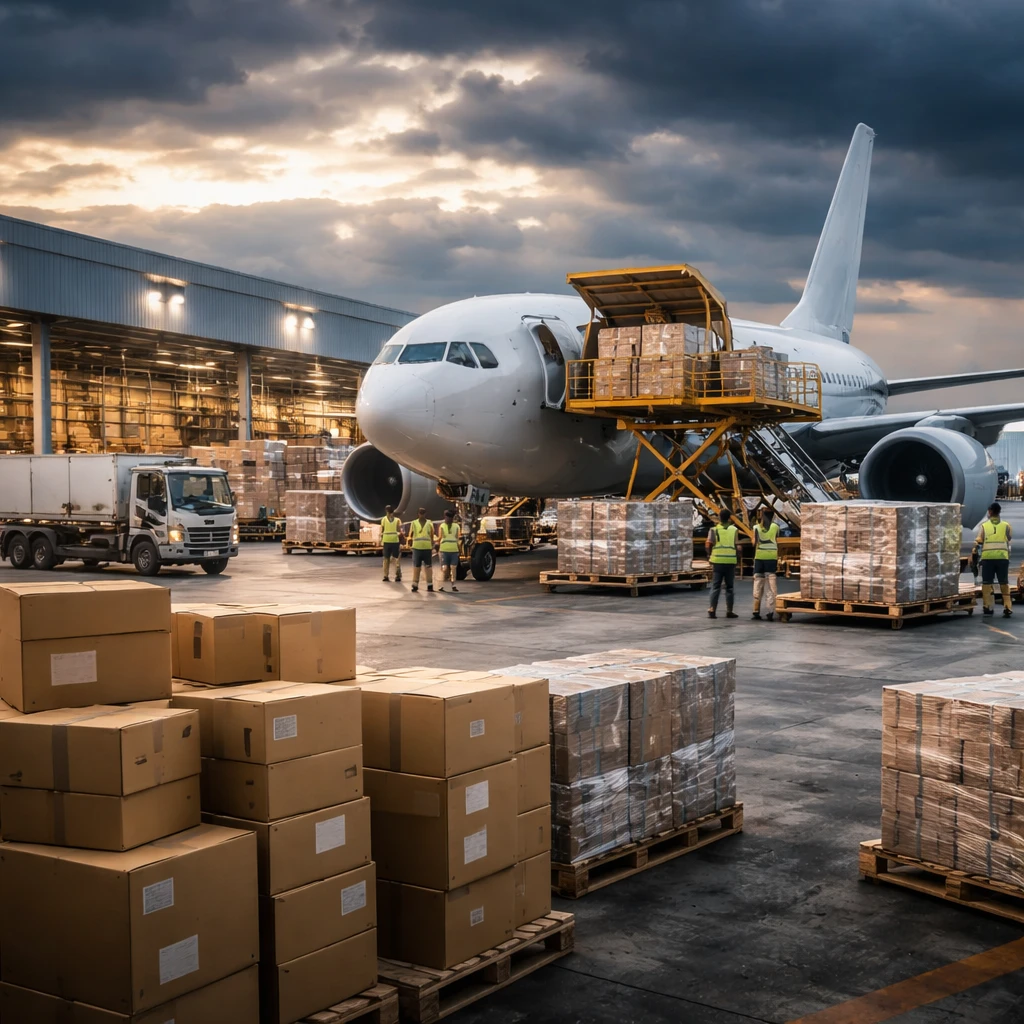
China's model of shipping inexpensive, lightweight garments and goods by air to consumers around the world is under renewed stress as higher jet fuel prices linked to the Iran war drive up logistics costs and reduce margins for major platforms such as Temu, Shein and AliExpress. Industry data and participants say the squeeze comes on top of policy changes introduced last year in the United States that curtailed customs waivers and added tariffs on low-value parcels.
Analysis of Chinese customs data by Luxembourg-based consultancy Trade and Transport Group shows a notable contraction: low-cost e-commerce exports from China dropped 10.9% in April to $9.81 billion, marking the fifth straight month of year-on-year declines. The decline signals both a direct hit from rising transport costs and the waning of the hyper-growth phase for large, low-price online platforms.
Sellers on those platforms are already responding by passing costs along. Diana Qiao, a Shenzhen-based seller of women's clothing on Temu, said she had raised the selling price of an item by $2 after her shipping cost per garment rose by about $1 on average. "The final burden is ultimately borne by consumers," she said, explaining the move was needed to preserve her profit margins. Qiao reported a slight decline in sales but did not yet see a need to change her shipping arrangements.
Logistics providers have imposed steep fuel surcharges. Industry insiders point to carriers such as DHL Express as implementing significant levies that are increasing the landed cost of shipped items. That makes air freight a far larger component of unit cost for very low-value products, eroding the economics of shipping single items by air from Chinese factories directly to consumers overseas.
Frederic Horst, managing director at Trade and Transport Group, said platforms are likely adjusting their operational model by moving more stock in bulk to overseas warehouses and dispatching locally rather than relying on direct air shipments from China. "It would make sense given the air freight cost relative to the value of the product," he said. He added that for a lightweight garment weighing 300-400 grams, air freight charges were approaching 60% of the product's cost, a level that undermines the original business case for flying individual parcels.
Some platforms are already expanding local warehousing to blunt the effect of higher airfreight rates. Shein has been building its warehouse footprint in Europe, including the recent opening of a third facility in Cannock, near Birmingham in Britain. Alibaba, the owner of AliExpress, told Reuters it remained focused on "maintaining value-for-money pricing for consumers and providing a stable environment for sellers and consumers despite the volatility in global transportation costs." Shein and Temu did not respond to questions about the impact of air freight costs on their operations.
Beyond logistics, demand-side pressures are also weighing on the model. While export volumes remain substantially higher than two years ago and the start of 2025 included some frontloading ahead of U.S. tariffs, returning to the rapid growth of earlier years is increasingly difficult. Shein and Temu have already captured substantial market share in many markets, and rising petrol prices and inflation are squeezing household budgets in the United States and Europe, reducing discretionary spending on low-cost imports.
Additional regulatory and policy costs are also emerging. The European Union plans to introduce a €3 fee on low-value e-commerce parcels from July 1, adding another cost element to cross-border shipments. In the U.S., last year's policy moves by the administration included tariff changes and the removal of some customs waivers for low-value parcels, measures that had already put pressure on the low-value parcel model.
Freight market participants expect elevated airfreight rates to persist. Judah Levine, head of research at freight platform Freightos, said that jet fuel-driven air freight rates are likely to remain high and would not drop quickly even if the Iran conflict were to subside. Martin Habisreitinger, chief operating officer of airfreight at Hellmann Worldwide Logistics, noted that if costs stay high or increase further, companies could shift to other transport modes or delay some shipments.
For platforms and sellers dependent on low-margin, air-shipped goods, the combination of higher fuel-based surcharges, shifting consumer demand and new policy costs is prompting operational adjustments and price increases. The changes underline how geopolitical developments, transport economics and evolving regulation can converge to reshape an export strategy built on delivering very low-cost items rapidly by air.
($1 = 0.8595 euros)