
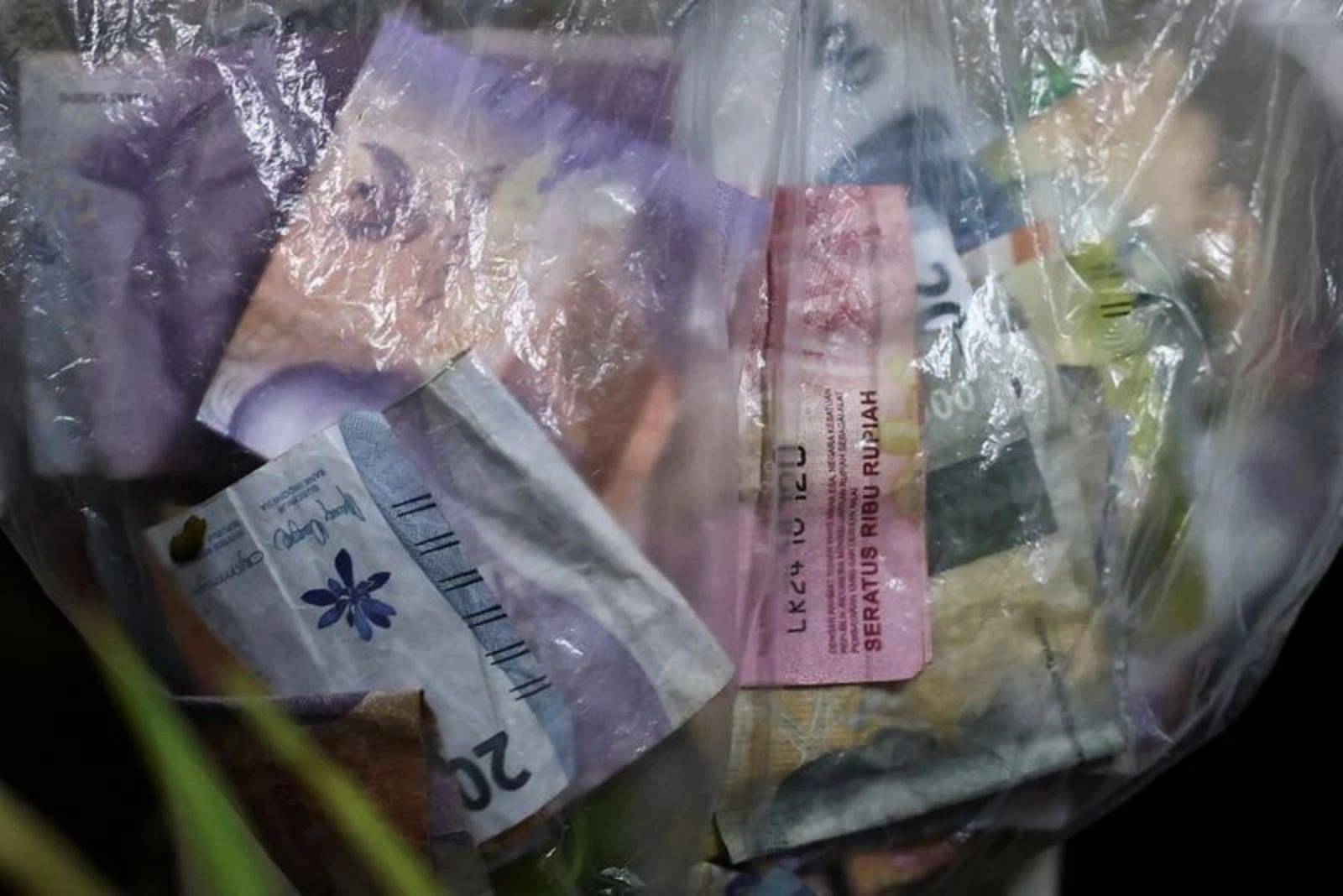
This June 6 report reiterates that Indonesia's central bank governor and the finance minister have reached an accord to make Indonesian assets more attractive by increasing yields, with the stated goal of restoring portfolio inflows and supporting the rupiah after recent record lows.
Bank Indonesia (BI) Governor Perry Warjiyo announced the joint intent at a press conference held at the parliament building. He said BI and the finance ministry "will increase the attractiveness of yields" on assets so that portfolio flows return to the country. Warjiyo did not provide further detail on the mechanisms or timing of the effort. He took questions from reporters but declined to offer clearer answers on the operational specifics.
Policymakers face a backdrop of significant market stress. Southeast Asia's largest economy has been experiencing heavy capital outflows this year. The Jakarta stock market has plunged by more than 30% and the rupiah has weakened considerably amid investor unease over President Prabowo Subianto's large spending plans. At the same time, fuel subsidies have ballooned, a development officials attribute to the impact of the Iran war. Foreign holdings of Indonesian bonds have fallen to near a two-decade low.
Market participants have also flagged concerns about the autonomy of the central bank, transparency issues in the stock market and a proposed move to centralise exports of major commodities. Those worries have added to investor caution and pressured asset prices.
BI has intensified currency interventions in foreign exchange markets to defend the rupiah. These interventions have been paired with purchases of long-dated government bonds in the secondary market as a tool to manage liquidity. The central bank's long-dated bond purchases are also aimed at moderating the government's borrowing costs by preventing yields on long-term bonds from rising too far.
The finance ministry began its own bond market operations last month, temporarily buying back government paper to prevent yields from climbing. How the Saturday agreement between the finance ministry and BI will translate into changes to monetary operations or the schedule and conduct of finance ministry bond auctions was not made clear.
Recent market prices underline the current dynamics in Indonesia's debt market. At an auction on Friday, one-year Bank Indonesia bonds known as SRBI were sold at a weighted average yield of 7.25%. That result was higher than the government's 10-year bond yield, which was 6.902%.
Governor Warjiyo said BI will raise the rate it pays on cash balances the government holds at the central bank. He suggested this step should help the government manage interest expenses and ease potential concerns from credit rating agencies.
Finance Minister Purbaya spoke at the same conference, which was attended by the president's spokesperson and the deputy speaker of parliament. Purbaya expressed the hope that closer coordination between fiscal and monetary authorities - the synergy he described - would help to rebuild investor trust.
Separately, the central bank had raised its policy interest rates by a larger-than-expected 50 basis points at a policy review in May, a move explicitly aimed at supporting the rupiah.
Officials stopped short of outlining precise operational or timing details for the plan to boost yields, leaving market participants to watch for implementation steps from both BI and the finance ministry. The combination of active currency defence, secondary-market bond purchases and temporary ministry buybacks illustrates the range of tools currently being used to stabilise the currency and debt markets, even as questions remain over the longer-term path for investor confidence and monetary-fiscal interaction.