
Skyrocketing jet fuel prices, which industry officials trace to disruptions caused by the U.S. and Israel’s war with Iran, are set to force further consolidation and insolvencies among airlines this year and into the next, according to the director general of the International Air Transport Association (IATA).
Willie Walsh told delegates at IATA’s annual summit in Rio de Janeiro that the conflict has choked supplies of jet fuel and disrupted key air corridors, often requiring aircraft to take longer, costlier routings. Those added fuel bills are weighing especially heavily on low-cost carriers that lack the higher-margin revenue streams available to legacy airlines - such as premium cabins, affluent corporate travellers and co-branded credit card programs.
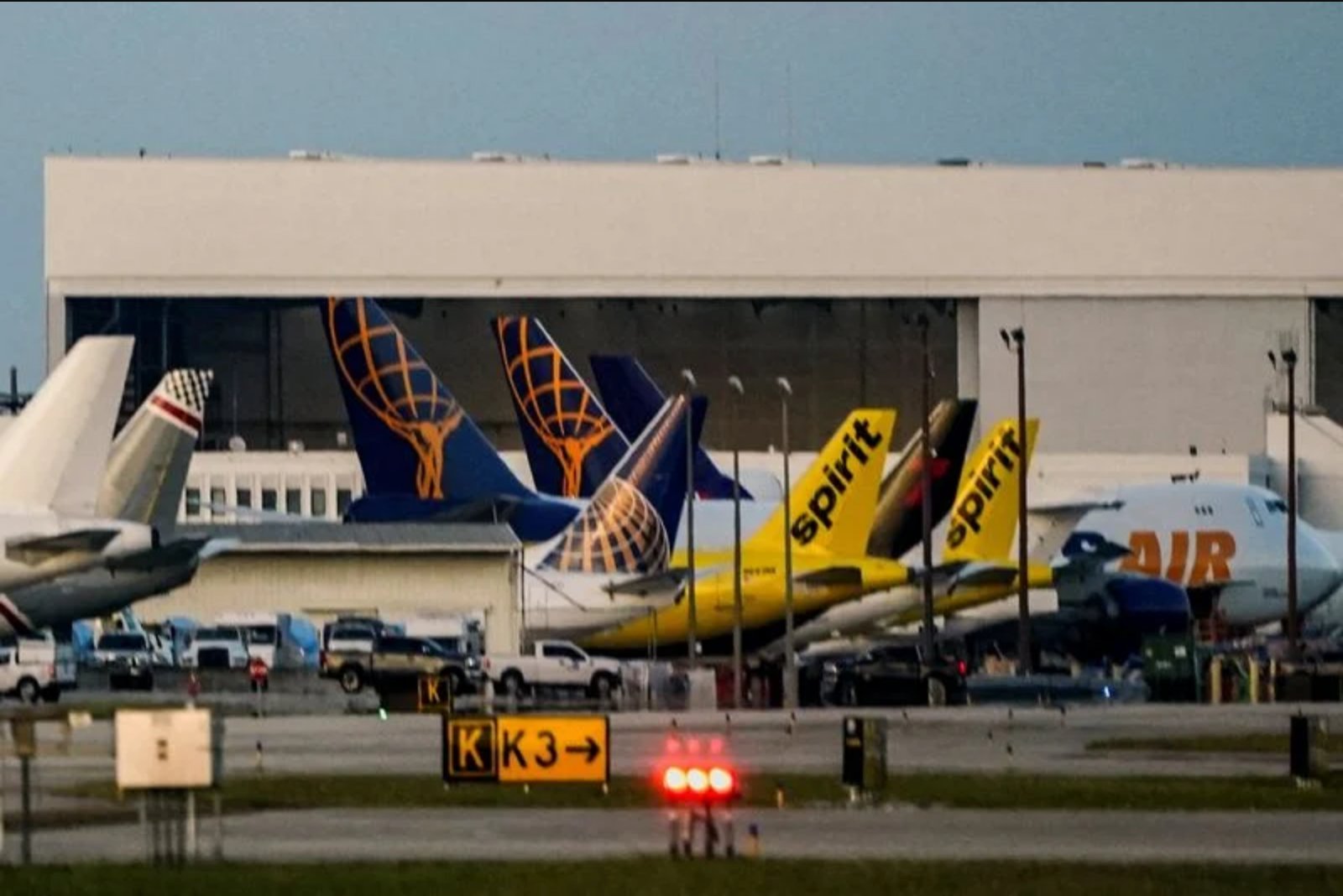
“Unfortunately, I think there will be some carriers that will find this high fuel price very difficult to cope with,” Walsh said, adding that some airlines will fail and others will be bought by larger competitors. The fragility is already visible: U.S. budget carrier Spirit Airlines collapsed last month, and Walsh said it will not be the only casualty.
To protect margins, Walsh said airlines are likely to trim unprofitable routes. He also warned that the surge in fares seen since the Iran conflict began is not likely to reverse soon. Even with the pressure on ticket pricing and route networks, Walsh argued the low-cost model is not broken.
“I don’t see that the low-cost model is broken; in fact, quite the opposite,” he said, pointing to Ryanair’s robust performance in Europe as an example.
Walsh did, however, dismiss the prospect of a single large-scale U.S. deal that had been floated publicly earlier this year. That proposal involved United Airlines CEO Scott Kirby suggesting the acquisition of arch rival American Airlines - an idea that failed to advance despite Kirby raising it with President Donald Trump. Walsh said regulatory barriers make such a transaction unlikely and that he was unsure whether the approach was a serious bid to pursue consolidation or merely an effort to generate media attention.
Middle Eastern hubs have also felt the impact of the conflict. Disrupted traffic flows through airports such as Dubai, Doha and Abu Dhabi have added acute challenges for Gulf carriers including Emirates, Qatar Airways and Etihad. Walsh said he did not expect the conflict to cause permanent damage to the Gulf’s role as a strategic aviation hub, noting the sizable market presence of Gulf carriers.
“That capacity cannot be replaced by airlines from other regions around the world,” he said, adding that once the situation stabilises, Gulf carriers should reclaim their market position. The IATA director general cited that Gulf carriers account for 14% of global capacity.
Compounding the strain from fuel is the slow pace of aircraft deliveries from Boeing and Airbus, along with engine delivery shortfalls from GE Aerospace and Pratt & Whitney, a unit of RTX. Walsh said these production and delivery delays are constraining airlines’ ability to grow fleets and to deploy newer, more efficient aircraft.
Walsh expressed frustration at manufacturers' pace of recovery from post-pandemic supply chain problems and at the engine makers’ financial performance. He estimated that supply chain disruptions cost airlines about $11 billion last year and criticised makers for not moving faster and for not sharing in the sector’s pain while posting strong profits.
Aircraft and engine manufacturers have argued that many of the delays stem from factors beyond their control, including lingering post-pandemic supply-chain constraints and political trade disputes. Walsh reiterated industry impatience but did not attribute those production issues to specific new causes.
Looking further ahead, Walsh said competition in the large commercial aircraft market will likely broaden. He pointed to China's Comac as a potential third major manufacturer alongside Boeing and Airbus, though he acknowledged it still faces certification hurdles in Europe and the United States and remains dependent on Western engines and avionics.
“Probably 10 to 15 years from now, people won’t just talk about Airbus and Boeing. It’ll be: Airbus, Boeing, Comac,” he said.
The growing financial strain on carriers is set against a backdrop of weakened momentum for climate policies in the United States under President Donald Trump. That political environment, combined with slow progress on sustainable aviation fuel development, has left industry leaders more cautious about meeting IATA’s 2050 net zero emissions target.
Walsh stressed that IATA is not prepared to abandon the 2050 net zero goal but acknowledged the challenge. “I certainly believe it’s more challenging to achieve net zero in 2050 because we’ve not made the progress that we had expected to see on the development of sustainable fuels,” he said.
Sectors affected - The developments described by Walsh directly affect airlines, aircraft and engine manufacturers, airport hubs in the Middle East, and energy markets tied to jet fuel prices. Secondary impacts extend to travel-dependent industries and financial markets exposed to airline debt and credit risk.