
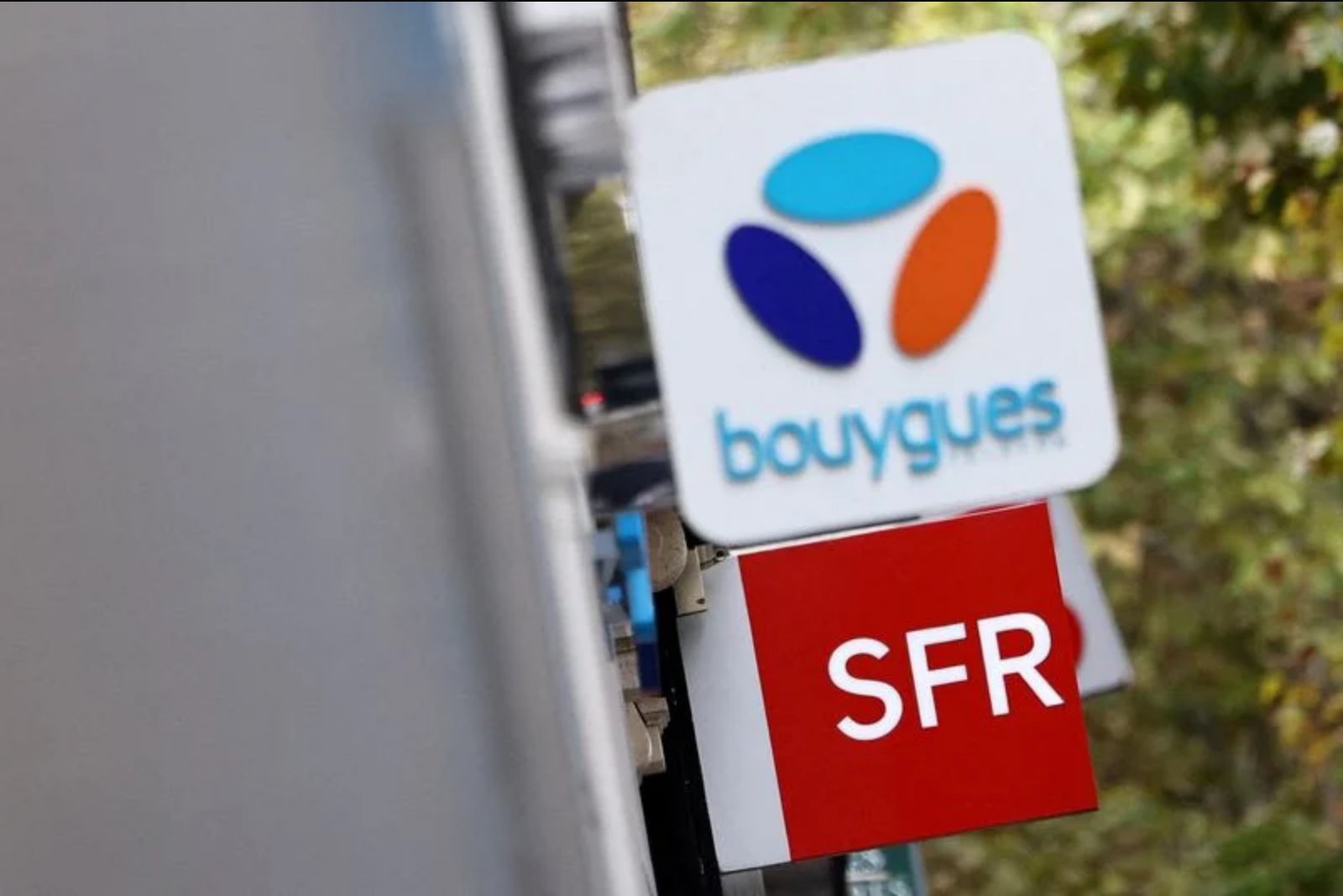
A consortium composed of Bouygues Telecom, Orange and Free-iliad Group has signed a memorandum of understanding with Altice France to acquire the telecom operator SFR for a total of €20.35 billion, equivalent to $23.44 billion including debt, the parties said on Saturday.
If the transaction receives the necessary regulatory approvals, it would be among the largest telecom deals in Europe in recent years. The proposed break-up and allocation of SFR’s assets would reduce the number of mobile network operators in France from four to three, creating a significant test of competition authorities’ willingness to permit consolidation in the region’s already crowded telecoms market.
Under the terms outlined by the consortium, Bouygues Telecom is slated to take the largest portion of SFR’s carved-out revenue, accounting for roughly 52 percent. Free-iliad would take about 27 percent and Orange about 21 percent of those carved-out revenues. Some elements of the business - including components of the fixed and mobile networks and certain IT systems - are to be held jointly by the buyers for a defined transition period.
The splitting of the purchase price itself between the buyers was described separately. The allocation of the price remains around 42 percent to Bouygues Telecom, 31 percent to Free-iliad and 27 percent to Orange. The consortium also agreed on break-up fees in a range between €100 million and €2 billion to address potential disruption of the deal should the agreement not proceed.
In a statement, Bouygues Telecom Chairman Edward Bouygues said the transaction reaffirms the Bouygues group’s intention to place its core businesses on a long-term growth trajectory and to contribute to France’s digital sovereignty. Orange Chief Executive Christel Heydemann said the agreement would strengthen Orange’s leadership position in France and in Europe and would support the ambitions of the company’s 'Trust the future' plan.
The consortium said it will guarantee employment for all staff of the acquired assets through the start of 2029. This employment assurance will be honoured either by keeping staff in their current positions or by offering alternative roles within the acquiring organizations.
Timing and approvals figure prominently in the near-term process. The consortium said on Friday that, given the progress of negotiations, the parties had given themselves another 48 hours to finalise the agreements. Previously, Altice France had extended the exclusivity period for talks with the consortium until June 5 from an earlier deadline of May 16. That extension followed a revised offer by the three operators in April, which increased the price from an earlier figure of around €17 billion.
Orange’s chief executive indicated in April that the company had already initiated regulatory discussions ahead of any formal closing and had flagged behavioural remedies as one potential path to obtaining approval. The deal is expected to obtain regulatory clearance prior to completion, with the parties anticipating finalisation in the second half of 2027.
The memorandum includes a number used for currency conversion: $1 is equal to 0.8681 euros. Beyond that, the consortium has negotiated terms intended to manage the transitional phase of ownership, preserve employment for the affected workforce through early 2029 and create financial safeguards in the form of break-up fees should the transaction fail to close.
Context and next steps
The transaction remains subject to approval by competition and regulatory authorities. The divestiture and asset-splitting plan will require scrutiny given its direct effect on the structure of France’s mobile market and the potential to alter competitive dynamics. The companies involved have signalled they are engaging with regulators and have set timelines for completing their internal and regulatory processes.
The consortium’s commitments on employment and the stated range of break-up fees are part of the contractual scaffolding intended to reduce execution risk during the approvals and transition period. If regulators grant the necessary clearances, the closing is expected in the latter half of 2027.