
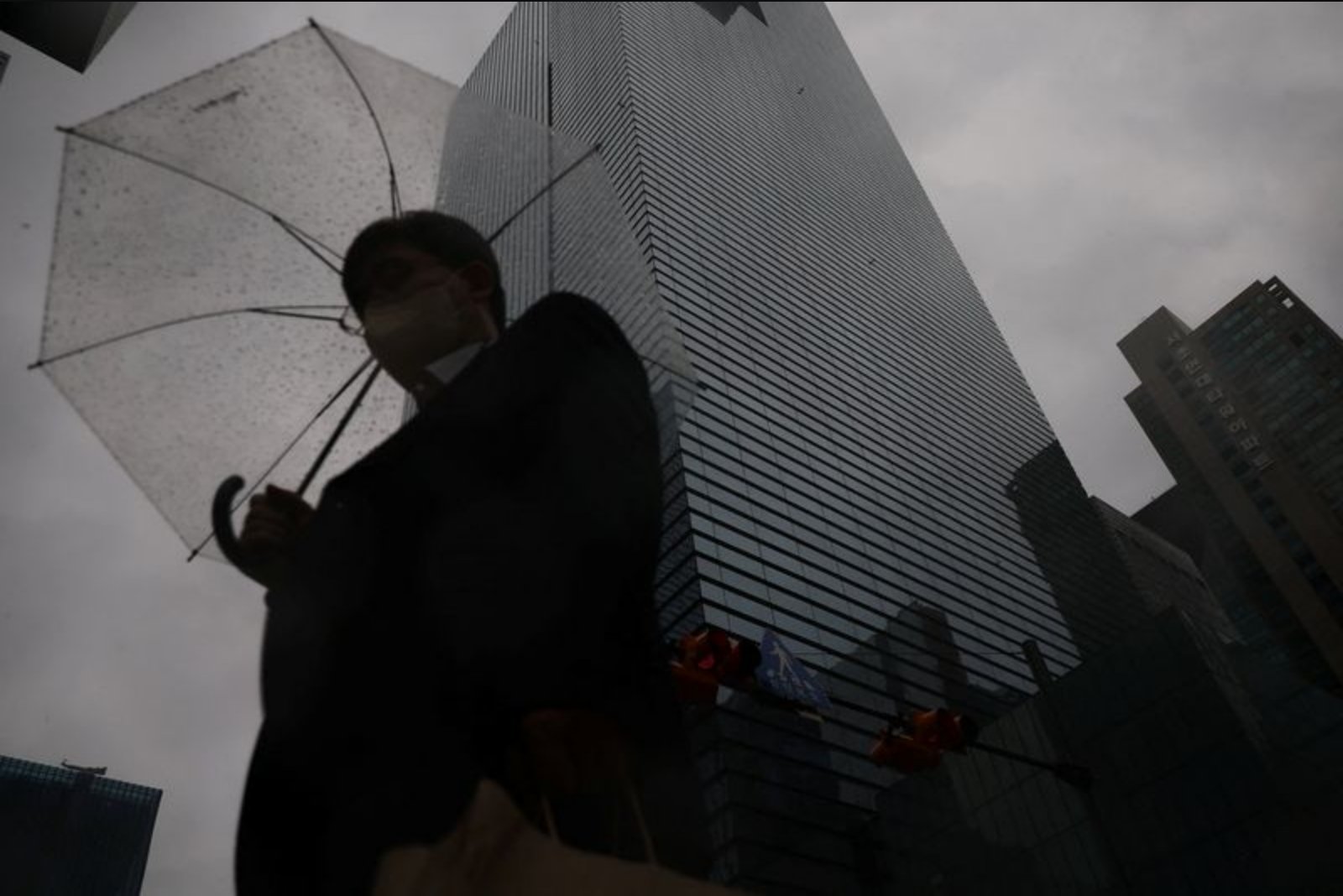
Samsung Electronics’ labour union has announced plans for a substantial 18-day strike beginning Thursday, after talks over bonus payments with company management collapsed. The walkout is expected to involve roughly 48,000 employees and has prompted government discussions about invoking an emergency arbitration order to halt industrial action and force mediated talks.
Government officials signalled over the weekend that such an order could be considered, while a separate South Korean official said on Wednesday that proposals about emergency arbitration were premature and that further dialogue remained possible. The debate inside government reflects contrasting pressures - a public expectation that labour disputes be resolved while also guarding the wider economy.
The administration of President Lee Jae Myung is broadly perceived as sympathetic to organized labour; Lee himself is described as a former youth labourer who was injured on the job. Nonetheless, the president criticized the union movement at a cabinet meeting on Wednesday, saying that a certain union was "crossing the line" by seeking a share of company operating profit before taxes were paid. He added that the government must step in when groups act in ways that threaten the wider community's interests.
What an emergency arbitration order would do
In modern South Korea, the emergency arbitration order has been used only four times. If invoked, the order would place a legal hold on the strike for 30 days and require both sides to participate in mediation led by the National Labor Relations Commission. The government may resort to this extraordinary power when it judges that a strike would inflict "significant injury to the national economy." If mediation is judged to have failed, the dispute moves to a separate arbitration panel which hears both parties and issues a binding decision.
The legal framework attaches penalties for non-compliance: individuals or groups refusing to obey an arbitration order could face up to two years in prison or a fine of up to 20 million won. The last recorded use of the measure occurred in 2005, when Korean Air pilots struck; that stoppage ended after four days when a compromise pay package was agreed.
Potential economic and supply-chain consequences
Samsung Electronics represents a substantial share of South Korea's export economy - nearly a quarter by some accounts - and the company is the world's largest maker of memory chips. Disruptions to Samsung's production lines, particularly in memory chips, could aggravate global supply shortages at a time when demand linked to artificial intelligence has increased pressure on inventories.
Officials warn that the strike could have measurable macroeconomic consequences. A central bank official, speaking anonymously, said that in a worst-case scenario the stoppage might shave 0.5 percentage points off a projected 2.0% expansion for the South Korean economy this year. Separately, South Korean authorities have estimated that a major production disruption at Samsung Electronics could translate into up to 1 trillion won - roughly $665 million - in daily losses for the company.
Political stakes and union dynamics
The strike takes place against the backdrop of local elections on June 3 for mayors and governors nationwide, an event that could see voter sentiment influenced in swing districts by industrial action that affects employment and local economies. The ruling liberal camp, currently expected to dominate, is conscious of potential erosion of labour support, a traditional base. President Lee is also targeting electoral gains in Gyeonggi province, a region that has benefited economically from the large number of Samsung employees working there.
The Samsung union itself was established two years ago and is not formally affiliated with South Korea's major labour federations. Despite that independence, some longer-established and more militant unions have pledged solidarity, raising the possibility of coordinated action beyond Samsung should the dispute widen.
What comes next
The immediate focus will be whether Seoul moves to issue an emergency arbitration order. If it does, the strike would be suspended and mediation imposed for 30 days; should the commission deem mediation unsuccessful, an arbitration panel would make a binding decision. If the order is not issued, the strike would proceed and authorities would continue to monitor economic impact, political fallout and any broader labour movement responses.
($1 = 1,504.9000 won)