
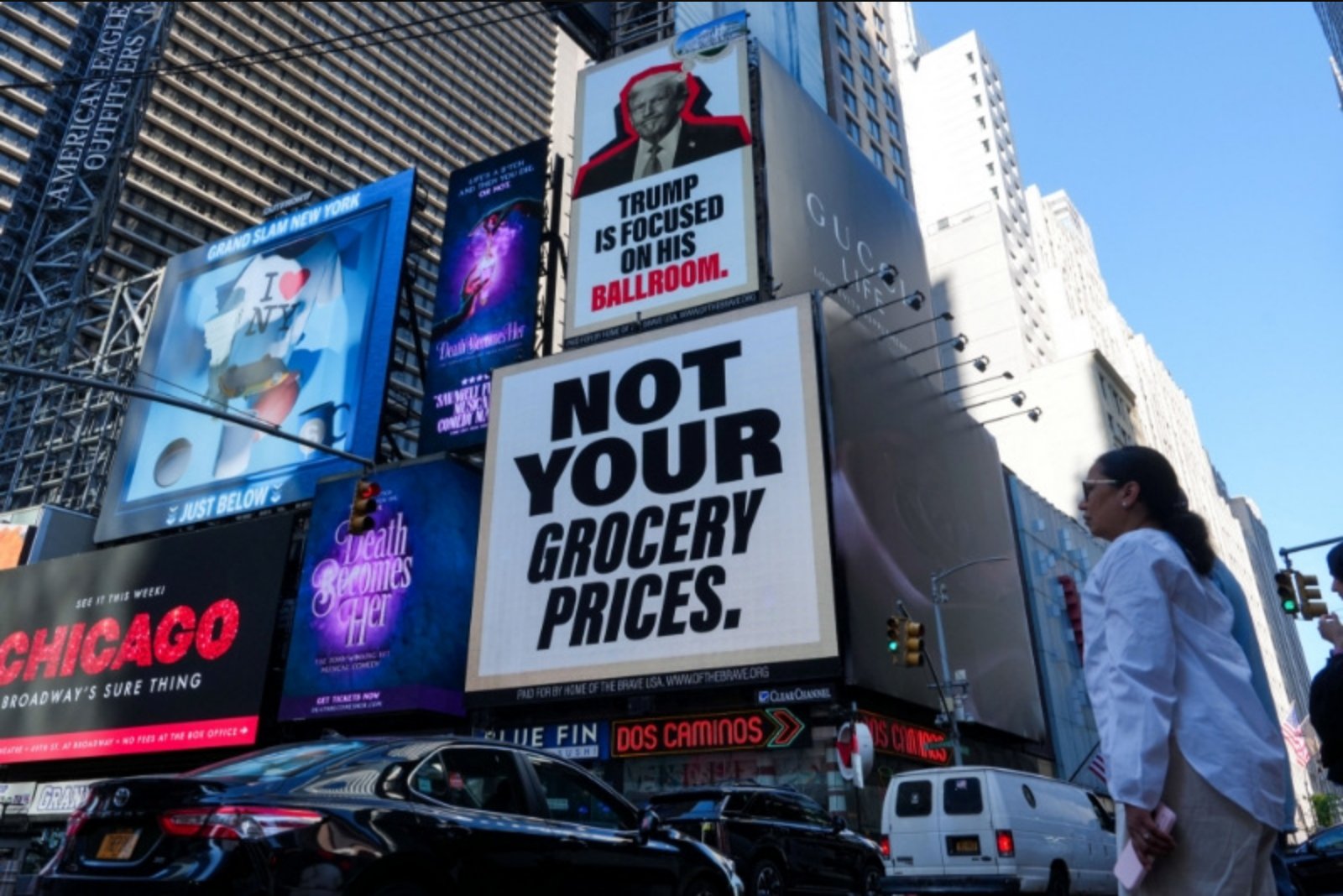
Republicans on the Senate Homeland Security and Government Affairs Committee moved forward on Tuesday with partisan legislation that would provide about $72 billion in fresh funding for the Trump administration's expanded migrant deportation program. The committee's action left unresolved a separate dispute over whether the measure should include roughly $1 billion in additional funding tied to security upgrades and costs related to a White House ballroom currently under construction.
Committee Republicans resisted at least eight Democratic proposals that sought to bar the use of federal dollars for expenses connected to the ballroom and other Secret Service activities, and to redirect those sums toward programs such as efforts to counter child sex exploitation and to renew a subsidy aimed at helping people buy health insurance. Those Democratic attempts were defeated on the committee floor.
Behind the scenes, Republicans continued efforts to persuade the Senate parliamentarian to permit the $1 billion in ballroom-related spending after it was blocked on Saturday. Part of that effort has included specifying that no less than $220 million of the contested funds would go toward the physical construction of the 90,000-square-foot White House ballroom. The project has been described by critics as a "vanity project," and the measure notes that former President Trump had pledged the ballroom would be financed exclusively with private donations.
Senate and House Republican leaders are aiming to pass the broader package, roughly $72 billion in total, and send it to the president for his signature by the end of the week. Committee Republicans also defeated all 57 Democratic amendments to the legislation, a preliminary indicator of tactics likely to be used when the bill is considered on the Senate floor.
Most of the proposed $72 billion is earmarked for Immigration and Customs Enforcement and Border Patrol over the next three years. Democrats pointed to a $103 million balance of unspent funds that those agencies hold from a sweeping 2025 Republican law, raising questions among opponents about the need for the additional appropriation.
Many Democrats oppose approving the extra funding absent new constraints on immigration enforcement operations. They say such constraints are necessary to help prevent injuries and deaths of peaceful protesters and to guard against entries into private homes without judicial warrants. Those conditions remain a sticking point as Republicans press for rapid passage of the funding package.
Context and next steps
With committee passage complete, the proposal moves toward full Senate consideration. Republicans' control of committee procedures was on display in the repeated defeats of Democratic amendments. The parliamentarian's ruling on the ballroom-related allocation and continued Democratic objections could shape the timeline and content of final legislation as both chambers seek to reconcile the bill and advance it to the president's desk.