
The U.S. Treasury Department on Tuesday expanded sanctions targeting Iran's ability to move money and energy products abroad, designating an Iran-based currency exchange house and a series of associated front companies while also blocking 19 vessels accused of transporting Iranian petroleum and petrochemicals.
The exchange named in the action is Amin Exchange, which the Treasury identified as also doing business under the name Ebrahimi and Associates Partnership Company. According to the Treasury Department, Amin Exchange operates through a network of front companies located in multiple jurisdictions, including the United Arab Emirates, Turkey and Hong Kong.
In announcing the measures, the Treasury said Iranian exchange houses facilitate billions of dollars in foreign currency transactions each year. That activity, the department said, enables the Iranian government to sidestep sanctions and access elements of the international financial system. The front companies linked to Amin Exchange were described as overseeing hundreds of millions of dollars in transactions on behalf of Iranian banks.
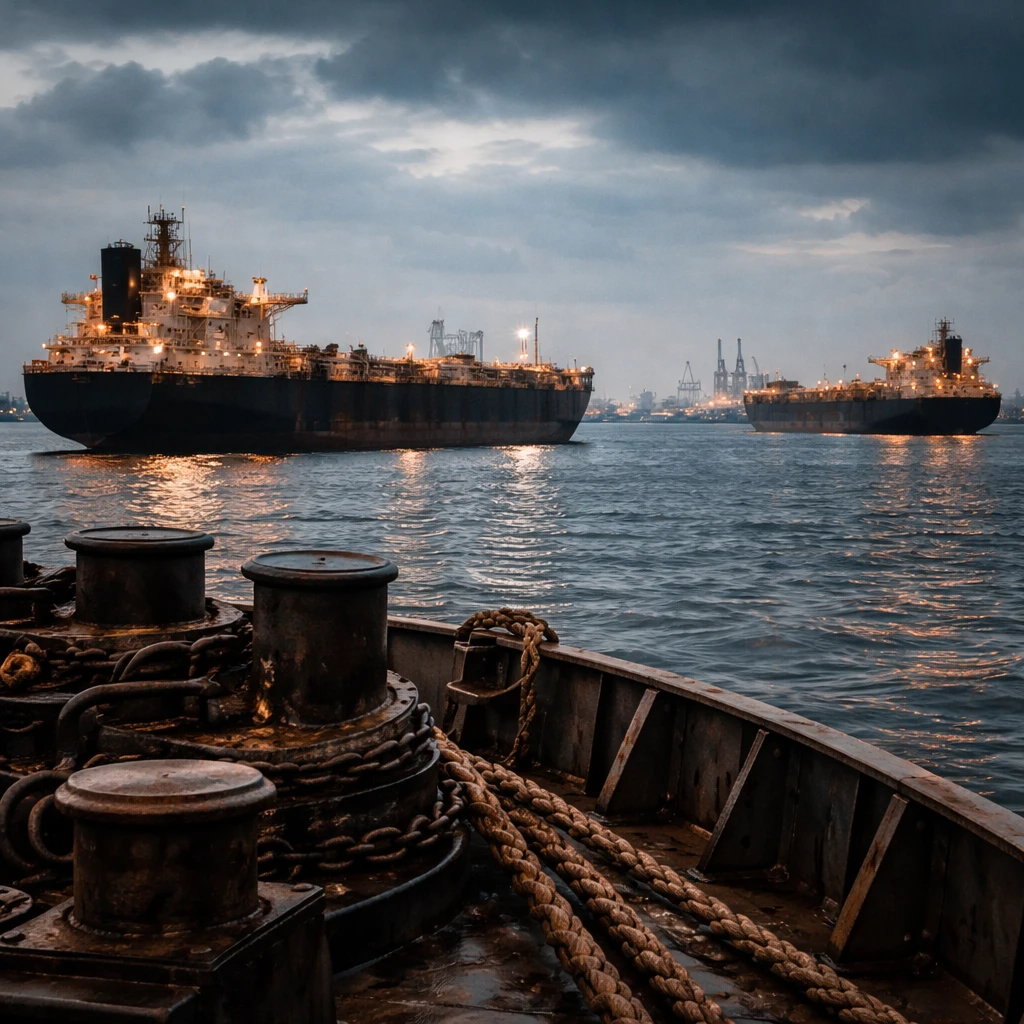
Separately, the United States designated and blocked 19 vessels that the Treasury says are engaged in the shipment of Iranian petroleum and petrochemical products to foreign customers. The action places restrictions on those vessels and is intended to disrupt the movement of energy cargoes tied to Iran.
The timing of the sanctions coincided with public reporting of Iran's most recent peace proposal to the United States related to the U.S.-Israeli led war that began on February 28. The proposal outlined demands including an end to hostilities on all fronts, including Lebanon, the withdrawal of U.S. forces from areas near Iran, and reparations for damage caused by the conflict.
The Treasury's announcement did not attach additional implementation details beyond the designation of Amin Exchange and the list of blocked vessels. Officials described the measures as part of broader U.S. efforts to prevent the Iranian government from using informal exchange networks and maritime channels to move funds and energy products internationally.
Context and implications
- The Treasury's designation focuses on the intersection of informal foreign-exchange networks and international shipping tied to energy products.
- The measures highlight U.S. attention on both financial channels used by Iranian banks and the maritime transport of petroleum and petrochemicals.
- The sanctions were announced in the wake of Iran's peace proposal to the United States regarding the conflict that began February 28, which included demands on hostilities, foreign troop withdrawals, and reparations.