
World May 19, 2026 10:08 AM

U.S. Signals No Rush to Renew China Tariff and Minerals Truce, Bessent Says

Treasury official describes stable conditions ahead of scheduled November expiry and upcoming bilateral meetings before a planned September summit

By Jordan Park

U.S. Treasury Secretary Scott Bessent said the administration is not hurried to extend a tariff and critical minerals truce with China that expires in November 2025, noting there is time to address renewal in talks later this year. Bessent indicated Beijing would likely accept the reinstatement of earlier U.S. tariff rates under new Section 301 duties provided they do not exceed previous levels, and described China’s delivery on critical minerals commitments as satisfactory but not excellent.

U.S. Signals No Rush to Renew China Tariff and Minerals Truce, Bessent Says

Key Points

  • U.S. Treasury Secretary Scott Bessent said the administration is "not in a rush" to extend the tariff and critical minerals truce with China that ends in November 2025.
  • Bessent indicated China would accept reinstatement of prior U.S. tariff rates via new Section 301 duties provided those rates do not exceed previous levels.
  • China’s fulfillment on critical minerals commitments was described as satisfactory but not excellent; Bessent plans further talks with Chinese counterpart He Lifeng ahead of a planned September summit between national leaders - sectors impacted include mining, manufacturing, and global trade-sensitive markets.

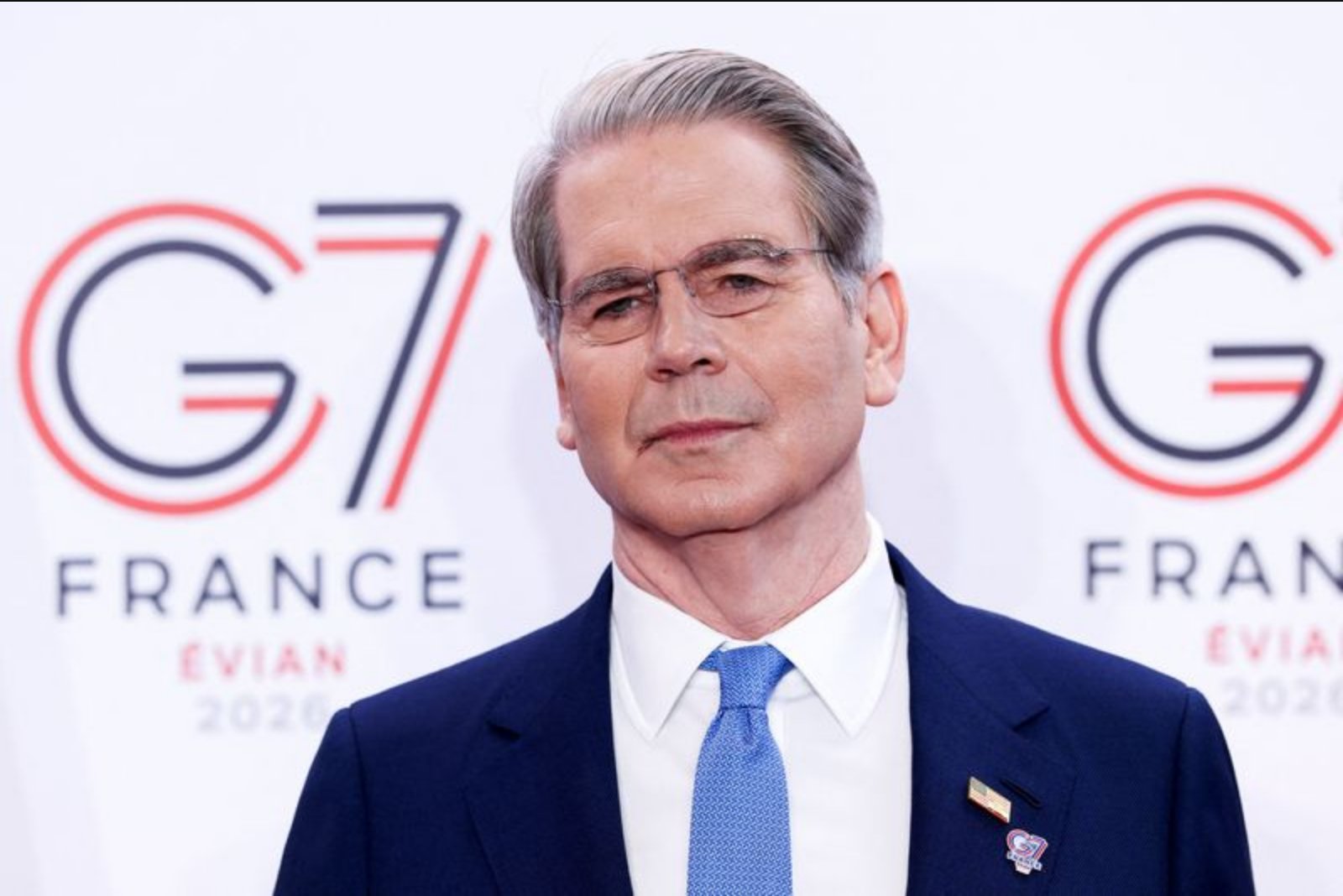
U.S. Treasury Secretary Scott Bessent said on the sidelines of a G7 finance meeting in Paris that the administration is not moving quickly to extend a tariff and critical minerals truce with China that is set to expire in November 2025. He framed the timetable as manageable, saying there was room to handle renewal discussions in meetings that will take place later this year.

Bessent said he expects China to accept a return to the prior U.S. tariff schedule through the imposition of new Section 301 duties, with one important caveat: the restored rates should not be higher than what prevailed before. He noted that China had lately obtained lower tariff outcomes, a result he tied to a U.S. Supreme Court decision that struck down the prior global emergency duties instituted under President Donald Trump.

On the prospect of extending the current arrangement, Bessent was direct: "I think we’re not in a rush to extend it," he said, adding simply that "things are stable." He also commented on critical minerals cooperation, saying China’s performance had been acceptable but short of excellent. "They have been satisfactory, but not excellent in terms of their fulfillment on their side on critical minerals. So we’re seeing them again," he said, signaling continued engagement on that agenda.

The timeline for high-level diplomacy includes a planned visit by Chinese President Xi Jinping to Washington for a meeting at the White House in September. Ahead of that summit, Bessent said he plans to meet with his Chinese counterpart, President He Lifeng, to work through additional trade details, indicating a diplomatic channel aimed at ironing out outstanding issues before the leaders meet.

Taken together, the comments portray a negotiating posture that prioritizes orderly, scheduled engagement over urgent action. The administration’s openness to reinstating earlier tariff rates, provided they do not increase from prior levels, and its assessment of China’s progress on critical minerals mark the immediate contours of the bilateral trade dialogue ahead of the autumn summit.


Context and next steps

  • Tariff and critical minerals truce expires in November 2025; renewal discussions are expected later in the year.
  • Bessent will meet with Chinese counterpart He Lifeng in advance of a September summit between the two countries’ leaders.
  • China is seen as likely to accept restoration of prior tariff rates through new Section 301 duties so long as those rates do not increase.

Risks

  • The truce is scheduled to expire in November 2025, creating a temporal uncertainty that could affect trade-sensitive sectors if a renewal is not reached in time - this impacts exporters, importers, and markets linked to tariffs.
  • China’s implementation on critical minerals has been characterized as less than excellent, presenting a risk to supply chains in industries that rely on those materials, such as technology and advanced manufacturing.
  • Outcomes depend on upcoming diplomatic meetings, including a preparatory meeting between Bessent and He Lifeng and a September summit between the two countries’ leaders; timing and negotiation results remain uncertain and could influence markets and policy decisions.

More from World

U.S. Treasury Calls for Stronger Disruption of Iran’s Financial Networks, Will Review Sanctions List May 19, 2026 Mexico City Rushes to Complete Metro and Airport Upgrades Ahead of World Cup May 19, 2026 Trump’s Gaza Board Flags Funding Shortfall, Urges Faster Release of Pledges May 19, 2026 Chinese Military Trained About 200 Russian Personnel Last Year, Some Have Returned to Fight in Ukraine, Intelligence Sources Say May 19, 2026 Keiko Fujimori Reembraces Father’s Tough-On-Crime Image as Public Safety Fears Drive Runoff Dynamics May 19, 2026