
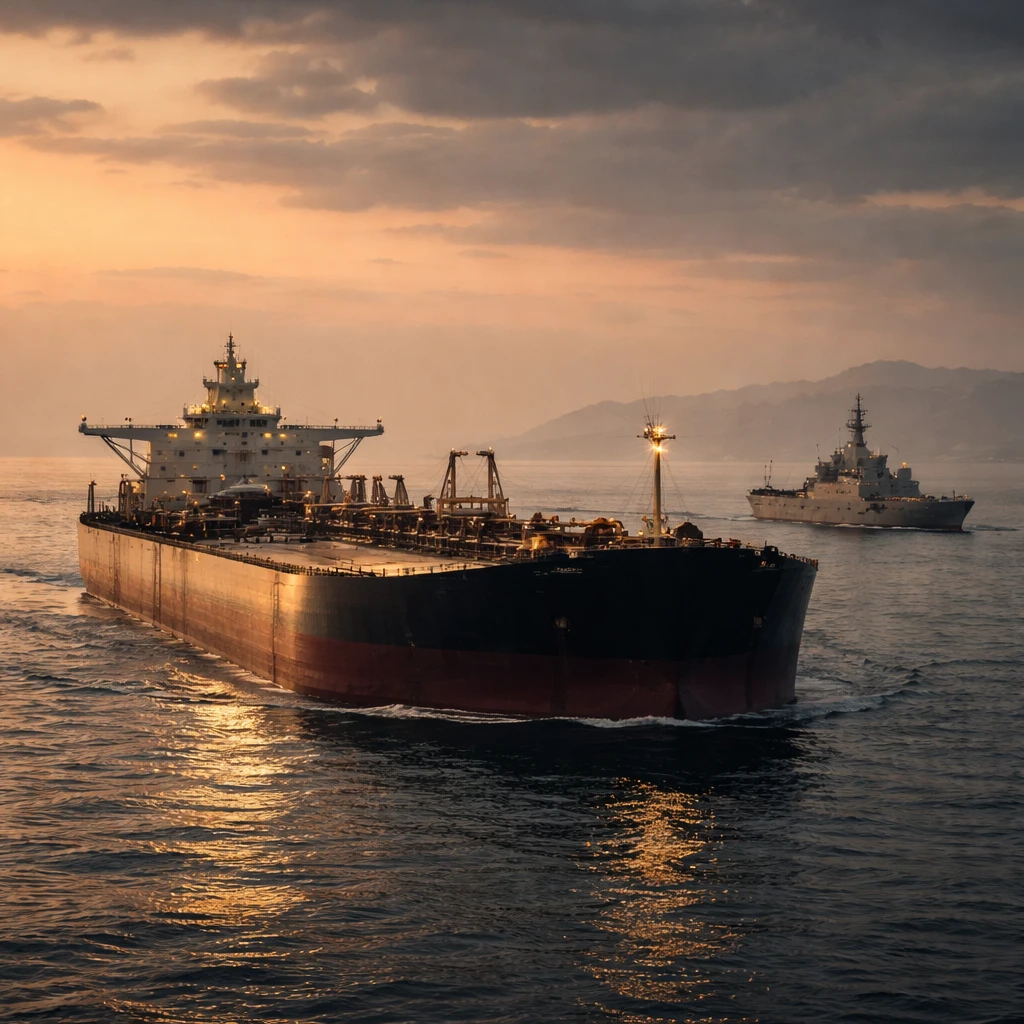
NATO is holding discussions about the possibility of offering military assistance to ships attempting to pass through the Strait of Hormuz if the waterway remains closed by early July, according to alliance sources. The deliberations reflect a potential change in posture as alliance members assess the risks to commerce and energy flows.
Officials say the conversations mark a shift from NATO's previously stated position that intervention would be a step taken only after the wider US-Israel-Iran war concluded and after a broader, non-NATO coalition could be assembled. That earlier stance has been revisited amid what members describe as mounting economic pressure.
Rising energy prices and declining growth forecasts have been cited inside the alliance as factors prompting reconsideration of whether a more active military role could be warranted to keep maritime routes open. Those economic indicators have heightened the urgency around potential disruption to shipping in the region.
Divisions within the alliance
The proposal does not enjoy unanimous backing, a threshold required for NATO action. Spain has been identified as opposing the war and has taken the step of banning the US from using its airspace, while other allies have quietly provided logistical support for operations. The presence of differing national positions means any formal NATO mission would face political obstacles.
Separately, the United States has not made a formal request for NATO involvement. Alliance leaders are scheduled to discuss the situation at a summit in Ankara on July 7-8, where members will have the opportunity to weigh whether to move forward.
Context and immediate drivers
Alliance sources say Iran blocked the strait after US and Israeli bombings began in late February. The continued disruption of the Strait of Hormuz has been linked by policymakers within NATO to the observed shifts in energy markets and growth expectations, which are influencing the deliberations.
At present, the path to any NATO operation is uncertain. The combination of economic strain and political division among members frames the issue the alliance will confront in Ankara.