
Mexico City is accelerating a series of high-profile infrastructure projects as the June 11 World Cup opener draws near, with authorities focused on readying metro stations and the capital’s airports for an influx of visitors. The push to complete renovations with under a month to go has produced both visible improvements and significant disruption for residents.
Work along Calzada de Tlalpan, a major artery through the city, is a prominent example. Crews are constructing a pedestrian and bicycle corridor that will stretch for nearly two kilometers and is slated to open in late May. The project has required lane closures and triggered congestion on one of the city’s busiest routes.
“We understand it’s to improve our city and present a good image to visitors,” said Blanca Abascal, a teacher who lives in the area. “But it has also been somewhat chaotic... At night we can hardly sleep because of the noise.”
The World Cup is being co-hosted by Mexico, Canada and the United States. Mexico City will stage five matches, starting with Mexico’s group game against South Africa on June 11.
Renovation work is also under way at several metro stations, including San Antonio Abad and Auditorio, which are located in central and western parts of the capital. The projects at those stations include upgrades to stained glass, entrances and platforms. Some residents and users say the visible, aesthetic upgrades seem emphasized over other maintenance needs.
“The projects focus more on aesthetics than on structural maintenance,” said Halim Castro, a 22-year-old university student. “Resources could be allocated to more essential improvements, such as maintaining the metro system, which is already very old.”
City authorities, however, frame the work as necessary improvements. Officials report the metro system carried more than 1.2 billion passengers last year. Metro director Adrián Rubalcava said the World Cup preparations have helped hasten essential work.
“It provides an opportunity to carry out deeper work at stations that require urgent attention and that will leave them in better condition for users in the long term,” Rubalcava said.
Concerns about how public funds are being allocated have been raised by some residents. They say renovations are visible in high-profile areas while other neighborhoods still lack basic transport and service investments.
“There are improvements in more visible areas, but in other parts of the city there are still significant gaps in transport and services,” said Arturo Castro, a retiree, who called for broader urban planning.
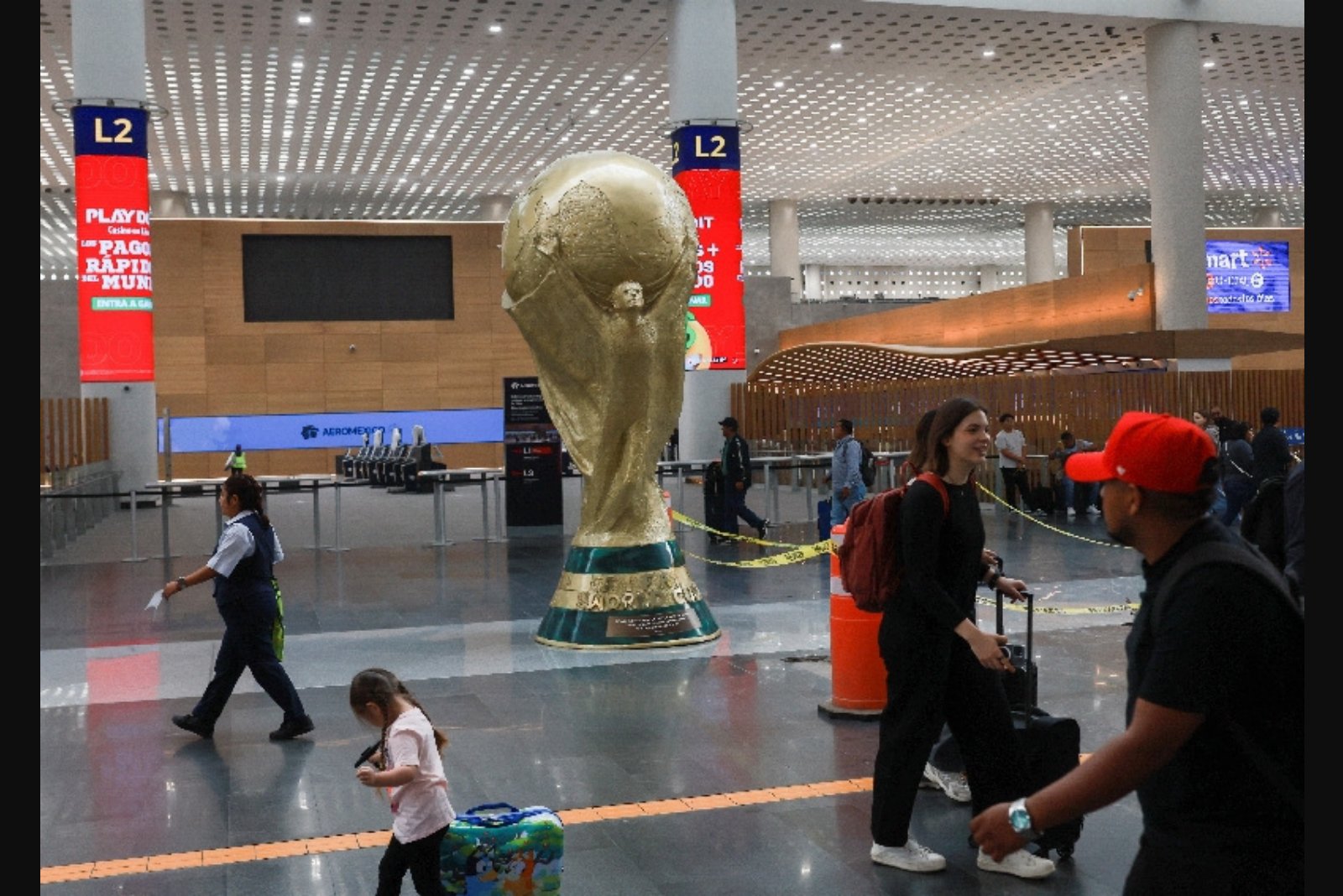
Renovations at Benito Juárez International Airport have also affected passengers. Parts of the airport have been closed for work, creating disruptions for arrivals into the capital. Travelers and users described scenes of delays and disorganization.
“The situation at the airport is simply unsustainable: the never-ending renovations, disorganization, flight delays, total chaos,” said Francisco Ramos, a 42-year-old architect who used the airport last week.
President Claudia Sheinbaum has said the projects are progressing on schedule, noting that upgrades at Benito Juárez and at Felipe Ángeles airport are included in the preparations. “They will be completed on time to receive millions of visitors and athletes,” she said last week.
As the city balances the twin demands of rapid upgrades and minimizing disruption for residents, officials emphasize finishing work before the tournament begins. Meanwhile, local complaints highlight tensions over where improvements are concentrated and the short-term impacts on daily life and travel within the capital.