
Summary
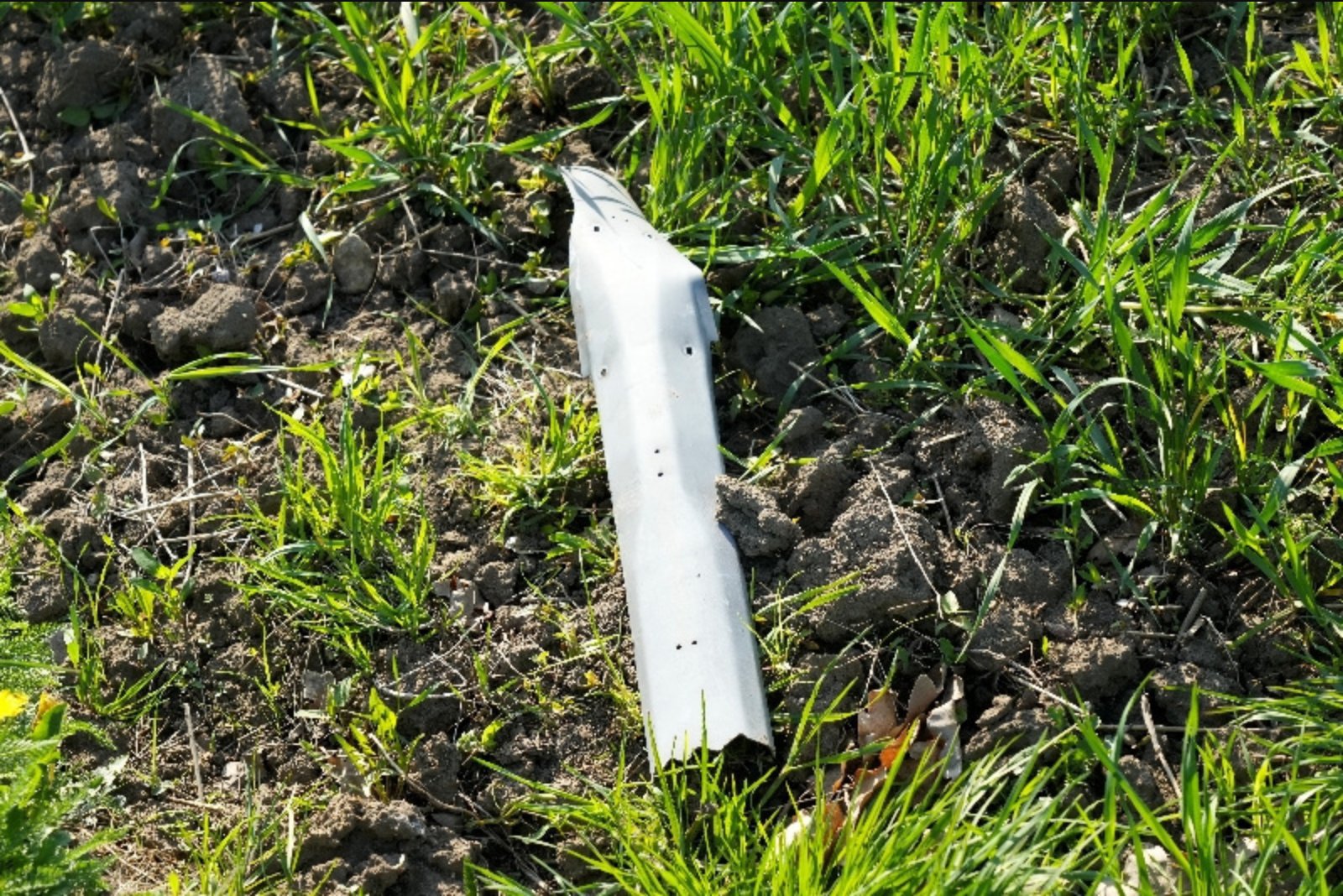
A drone identified by Estonian authorities as Ukrainian entered Estonian airspace from Russia and was intercepted and destroyed by a Romanian NATO fighter jet on a training mission. Ukraine said Russia used electronic warfare to redirect the unmanned aircraft into the Baltics and apologised for the unintended incursion. In neighbouring Latvia, authorities issued air threat alerts, briefly suspending train services and school exams as NATO jets were scrambled, though investigators later found no evidence of a drone entering Latvian airspace during the first alert.
Incident details
Estonian military officials reported that the unmanned aerial vehicle crossed into the southeastern part of Estonia at around noon local time (0900 GMT). At 12:14 p.m. (0914 GMT) a Romanian-operated NATO fighter jet on a training flight shot the drone down with a single missile, the military said.
The Estonian military stressed the operation took place amid what it described as severe electronic warfare activity - including GPS spoofing and jamming - attributed to Russia. Authorities said the drone had been monitored prior to entering Estonian airspace and that the decision to engage was made to reduce the risk to civilians and infrastructure.
Reactions from Kyiv and the Baltics
Ukraine assigned responsibility to Russia, saying Moscow redirected the drone using electronic warfare. Ukrainian Foreign Ministry spokesperson Heorhii Tykhyi posted on X that "Russia continues to redirect Ukrainian drones into the Baltics with the use of its electronic warfare" and expressed regret, saying, "We apologise to Estonia and all of our Baltic friends for such unintended incidents."
Tykhyi also clarified Ukraine's operating pattern, stating that Kyiv was not using Estonian or Latvian territory to launch strikes against Russia and that Ukraine's legitimate military targets are located in Russia, adding that Russian airspace is used to reach them.
Both Estonia and Latvia echoed that Ukraine has a right to strike Russian military targets to degrade Moscow's war-making ability. Estonia's foreign minister Margus Tsahkna framed the incidents as consequences of Russia's actions, saying, "These incidents are the direct result of Russia’s war and provocations. Estonia is strengthening cooperation with Ukraine to enhance our air defence and counter-drone capabilities."
Latvia: alerts, disruptions and follow-up
In Latvia, authorities issued an initial air threat alert after reporting a possible drone entering its airspace and advised residents near the Russian border to remain indoors. NATO Baltic Air Police jets were dispatched to the area. Subsequent checks found no evidence that a drone had actually entered Latvian airspace during that first alert, the government later said.
Officials then raised a second air threat alert for two counties bordering Russia, prompting another deployment of NATO fighter aircraft. The alerts produced immediate local impacts: regional train services were suspended, national ninth-grade examinations were halted, and grocery stores temporarily closed, according to local media coverage.
NATO response and wider regional context
NATO confirmed that a Romanian jet had downed a drone over Estonian territory and said an investigation into the incident is under way. The alliance stated it "is ready and able to react to any potential air threats."
The episode follows a pattern since March in which several Ukrainian military drones have entered the airspace of NATO members that border Russia, including Finland, Latvia, Lithuania and Estonia. The Latvian government resigned last week over its handling of previous incursions.
Ukrainian President Volodymyr Zelenskiy has said Ukraine would send experts to Latvia to assist in protecting the country’s skies.
Regional alerts beyond the Baltics
Finland also reported suspected drone activity on May 15 when authorities warned people to stay indoors in the capital region and suspended traffic at Helsinki’s airport for about three hours. Finnish fighter jets were scrambled and emergency services mobilised, but no drones were ultimately found, according to Finnish authorities.
What happened next
Investigations by national authorities and NATO are ongoing to determine the precise sequence of events, the source of the electronic interference described by Estonian forces, and whether the Latvian alerts corresponded to actual incursions. Russian embassies in Estonia and Latvia did not immediately respond to requests for comment.
The incidents have prompted political and security responses across the Baltics and within NATO, including promises of strengthened cooperation and air-defence support for affected allies.
Note: This report is based on statements from national militaries, government spokespeople and NATO issued in connection with the incidents described above.