
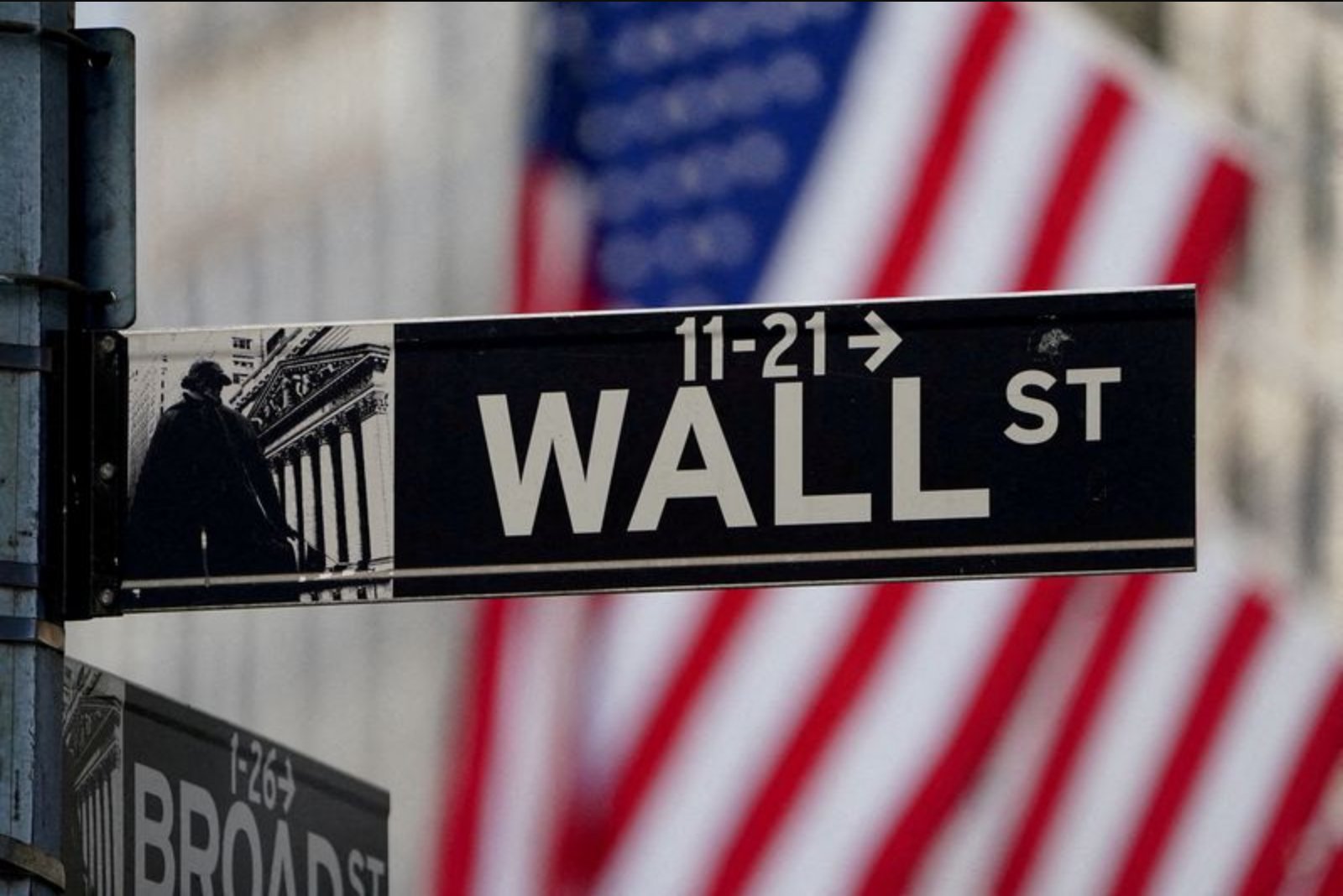
U.S. equities have resumed an upward trajectory, with major indexes reaching new highs as investors focus on a dense calendar of first-quarter corporate results. The market's rebound comes after a period of war-related volatility, and recent optimism about a calming of U.S.-Iran tensions has helped lift sentiment.
Investor attention has shifted toward earnings as a primary driver of price action, with nearly one-fifth of S&P 500 companies scheduled to report next week. The benchmark S&P 500 posted its first record-high close since Jan 27, and the Nasdaq Composite recorded its first all-time-high close since Oct 29, milestones that reflect the market's rapid recovery.
Market participants say the pivot toward corporate fundamentals has been pronounced. "We’re certainly not out of the woods" from war-related developments that could cause daily market swings, said Chuck Carlson, chief executive officer at Horizon Investment Services. "But I think the market has shifted its attention now ...toward corporate profits and how stocks respond to those profits." Carlson's comment underscores the appetite among investors to weigh company-by-company results against macro risks.
Oil prices sit considerably higher than levels in late February, with U.S. crude trading around $85 a barrel on Friday versus about $67 before the U.S.-Israeli military strikes on Iran. Analysts warn that persistently elevated oil could have knock-on effects - including higher inflation and upward pressure on Treasury yields - that would complicate the stock market's recovery. "The stock market is treating what has happened over the last six weeks as if it has just woken up from a bad dream," said Michael Mullaney, director of global markets research at Boston Partners. "Like ... there are no further ramifications or repercussions from this. Which I don’t agree with."
Historic rebound and market breadth
The S&P 500 initially fell roughly 9% from its January peak following the outbreak of hostilities, but the index has rallied forcefully since its recent low on March 30, climbing about 12% and closing this week above the 7,000 level for the first time. Research from Bespoke Investment Group highlights the unusual speed of the rebound: among S&P 500 pullbacks of 5% to 10% since 1928, the index had never before returned to all-time highs in just 11 trading sessions - the span it took this time to reclaim those levels.
Jim Reid, head of macro and thematic research at Deutsche Bank, described the pace of gains as striking: "The velocity of this ascent has been nothing short of astonishing." Much of the recovery has been driven by large-cap technology and tech-related stocks. Several megacap names that were hit hard during the initial downturn have helped lead the recovery, with companies such as Alphabet and Meta Platforms among those contributing to the tech sector's outperformance.
The Nasdaq posted its 13th consecutive session of gains by the end of Friday, marking the longest streak for the index since 1992. That continued march higher has rekindled interest in broader market participation. "If you are looking for broad participation in the market and you are making new highs and your generals are now coming back to life a little bit, I say that is probably something that is pretty healthy," said Jeff Weniger, head of equity strategy at WisdomTree.
Yet investors are also watching for signs of excess. Instances of speculative moves have surfaced, such as a sharp rise in Allbirds shares after the footwear company announced a pivot into AI computing infrastructure, a development that traders treated as a catalyst for the stock's surge.
Earnings calendar and key names
Tesla is due to report on Wednesday and will be the first of the so-called "Magnificent Seven" megacap companies to post first-quarter results. Other notable names scheduled to report include planemaker Boeing, chipmaker Intel and consumer products giant Procter & Gamble. Larger technology firms - including Microsoft, Alphabet and Meta Platforms - are set to deliver results the following week, a stretch that will provide broader clarity on sector trends and corporate margin dynamics.
Overall, S&P 500 earnings are projected to increase about 14% in the first quarter compared to the same period a year earlier, according to LSEG IBES. The reporting season began this week with major banks disclosing results that showed soaring trading revenues after a volatile quarter, even as those institutions sounded cautious about economic risks while noting resilience among consumers and households.
"The American consumer, while facing real pressure, has not broken based on early Q1 bank earnings," Anthony Saglimbene, chief market strategist at Ameriprise, said in a written commentary. Banks' trading results and consumer behavior will both be watched closely as the quarter's results unfold.
Policy, data and other near-term focuses
The trajectory of interest rates remains a central element of market concern. Kevin Warsh, President Donald Trump’s pick to lead the Federal Reserve, is scheduled to appear before Congress for a hearing on Tuesday, a development investors will monitor for signals about the future direction of policy. There has been public criticism from the president toward current Fed Chair Jerome Powell for not cutting rates more aggressively, but markets have largely discounted near-term rate cuts this year given the war's potential inflationary implications.
Additional economic data is also due to arrive, with retail sales for March set to be released on Tuesday. Those figures will offer further insight into the war's economic effects, particularly after gas prices climbed to about $4 a gallon in the wake of the conflict. Observers highlight the risk that sustained gasoline prices will depress discretionary spending. "I suspect these prices aren’t dropping down anytime soon and that is going to have an effect on discretionary spending going forward," said Robert Pavlik, senior portfolio manager at Dakota Wealth Management. "So the claim that the U.S. economy is in good shape is in my opinion near sighted."
Investors will be parsing corporate reports alongside economic releases and policy signals to assess whether the market's rapid recovery can be supported by underlying profits and consumer health.