
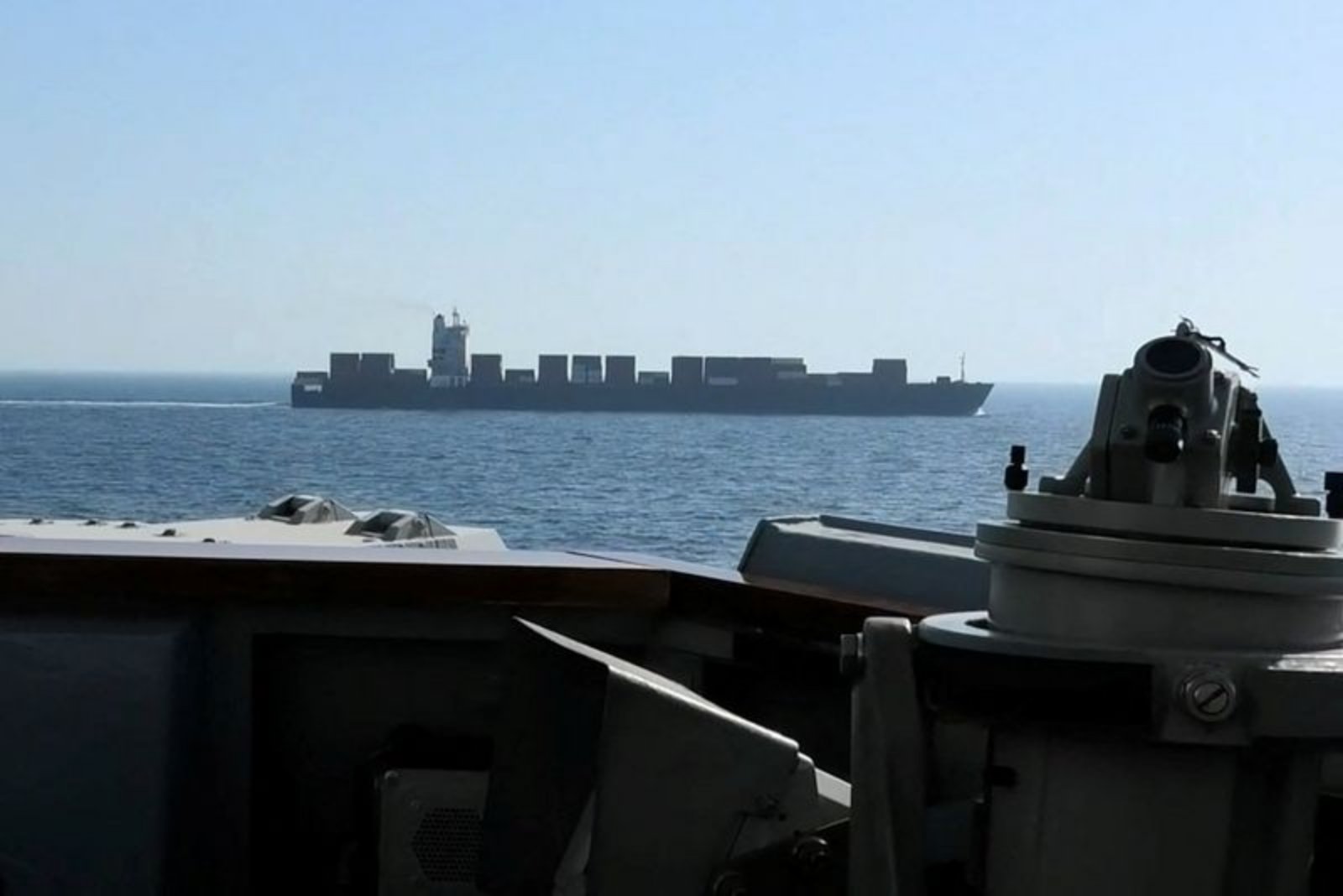
Concerns that the temporary ceasefire between the United States and Iran could collapse intensified after U.S. forces said they had seized an Iranian-flagged cargo ship that was moving toward Iran’s Bandar Abbas port. Washington described the vessel as attempting to breach a U.S. blockade of Iranian ports, while Iranian officials promised retaliation for what they called an act of armed piracy.
President Trump announced on social media that "We have full custody of their ship, and are seeing what’s on board!" Iran’s military, for its part, stated the vessel had been traveling from China and warned that the country's armed forces would respond to the U.S. action, according to state media. The exchange of threats followed a period in which Iran had alternated between lifting and reimposing its blockade of marine traffic in the Strait of Hormuz - a waterway that typically handles about one-fifth of global oil shipments - while the United States maintained a blockade of Iranian ports.
The seizure and the accompanying rhetoric unsettled financial markets. Oil prices jumped and equities wavered as traders considered the possibility that maritime traffic into and out of the Gulf could remain severely restricted. The disruption to shipping in the strait already underpinned a major shock to global energy supplies as the conflict continued.
Diplomatic fallout and stalled talks
The United States had been preparing for a second round of negotiations intended to build on earlier discussions, with the aim of advancing toward a more durable peace before the two-week ceasefire expired. U.S. plans called for envoys to travel to Islamabad ahead of the ceasefire’s scheduled end, and preparations in Pakistan indicated anticipation of high-level visitors: large cargo aircraft arrived carrying security gear and vehicles, municipal authorities halted some public transportation and heavy goods movement through the capital, and barbed wire was deployed near the hotel that hosted the previous round of talks.
However, Iran announced it would not take part in the planned second round of talks. Tehran’s decision was framed around the ongoing maritime blockade by the United States, what Iranian officials described as hostile rhetoric from Washington, and shifting U.S. positions accompanied by excessive demands. Iran’s First Vice President Mohammadreza Aref argued on social media that restricting Iran’s oil exports while expecting security for others was untenable, and warned that the choice was between a free oil market for all or significant costs for everyone.
Complicating the diplomatic picture, there was conflicting public messaging from U.S. officials about the composition of the delegation scheduled to travel to Islamabad. At one point a senior U.S. official said the team would be led by Vice President JD Vance, who had headed the first round of talks, and would include other envoys. Subsequently, President Trump indicated the vice president would not be attending.
Security and humanitarian context
The war, now in its eighth week, has inflicted heavy human and material costs. Thousands of people have been killed by U.S.-Israeli strikes on Iran and in an Israeli invasion of Lebanon that has run parallel to the wider conflict since it began on February 28. Iran has retaliated with missile and drone attacks targeting Israel and nearby Arab states that host U.S. military bases. Iran has also warned that attacks on its civilian infrastructure would be met with strikes on civilian facilities in neighboring Gulf states, including power plants and desalination facilities.
Meanwhile, Iran’s parliament speaker, Mohammad Baqer Qalibaf - who led Iran’s delegation in the earlier talks - acknowledged that the parties had made some progress but remained far apart on nuclear-related matters and issues around freedom of navigation in the Strait of Hormuz.
Allied concerns and the negotiating timeline
European partners expressed unease with the U.S. negotiating approach, concerned that the American team was pressing for a swift, surface-level agreement that would require months or years of technically intricate follow-up negotiations. Those allies have previously been criticized by Washington for not doing more to support the U.S. war effort. The combination of halted diplomacy, the seizure of the cargo ship, and the repeated threats between leaders has left the prospect of a durable ceasefire uncertain.
For markets and businesses tied to global energy flows and maritime logistics, the episode underscored the fragility of the current calm. The Strait of Hormuz’s role in global oil distribution, combined with retaliatory warnings from both sides about targeting critical infrastructure, means that any further escalation could have immediate implications for supply chains, shipping costs, and energy sector stability.
At the same time, the abrupt choices by Tehran over whether to engage in fresh talks, and mixed signals from Washington about its diplomatic delegation, make the timeline for any meaningful progress unpredictable. With the ceasefire due to expire and both sides publicly signaling hardening positions, the near-term outlook for negotiations looks uncertain.