
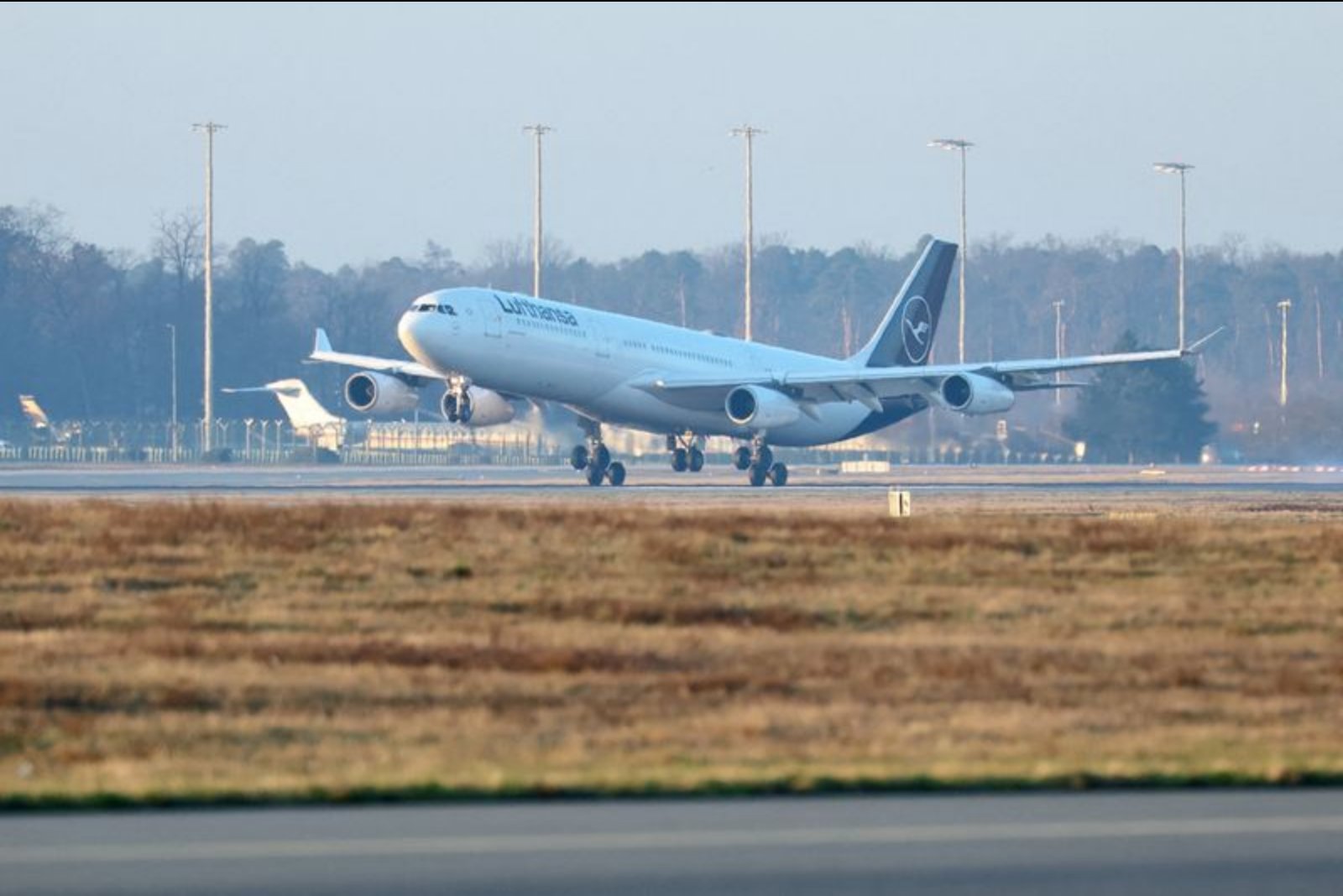
The European Union will shortly present guidance asking member states to reduce dependence on jet fuel sourced from the Middle East and to examine options for increasing shipments from the United States, according to a person briefed on the plans. The recommendations, which are still being finalised and are non-binding, are being prepared as disruptions related to the Iran war tighten global jet fuel flows.
The forthcoming document places a stronger emphasis on enhancing self-sufficiency and resilience through expanded use of Sustainable Aviation Fuel (SAF) or synthetic alternatives, while acknowledging the bloc's limited ability to raise domestic jet fuel production quickly. The proposed advice is intended to offer practical steps for governments and the aviation sector to handle prospective shortfalls.
Europe is particularly exposed to interruptions in Middle Eastern supplies. The bloc imports roughly 30% to 40% of its jet fuel needs, and at least half of that amount originates from the Middle East, the source said. Airlines have warned that the region could face jet fuel shortages within weeks if current disruptions continue, a scenario that could affect the peak summer travel season.
A spokesperson for the European Commission confirmed that an energy crisis response package will be presented next week and that it will include measures related to jet fuels. "Availability of supply remains the primary concern," the Commission spokesperson said, adding that a coordinated release of jet fuel stocks could be considered if shipments continue to be blocked through the Strait of Hormuz.
The Strait of Hormuz was reported reopened on Friday following a ceasefire accord in Lebanon, but uncertainty persists. The Commission spokesperson said there is hope that safe passage will continue, but cautioned: "Let’s see." U.S. President Donald Trump was cited as saying a naval blockade remains in place until a deal is sealed with Tehran.
Airlines and industry bodies have already taken steps in response. International Air Transport Association Director General Willie Walsh warned that flights in Europe could start to be cancelled from the end of May if fuel supplies are not secured. Airlines have cut schedules and grounded aircraft in anticipation of tighter supplies.
The draft EU guidance will address several operational and regulatory questions that arise during shortages. It will provide clarity on issues such as the treatment of airport slots when flights are cancelled, and on the EU's anti-tankering rule, which is intended to prevent aircraft from loading extra fuel at lower-cost locations. The document will also spell out whether a fuel shortage could be treated as an exceptional circumstance that would relieve airlines of compensation obligations for cancellations.
In addition to operational measures, the bloc has decided that calls from airlines to change or suspend the Emissions Trading System (ETS) and SAF allowance regimes are not justified, the source said. The guidance thus appears to stop short of altering climate-related regulatory frameworks despite the immediate supply pressures.
To improve situational awareness and supply planning, the Commission plans to introduce EU-wide mapping of refining capacity for oil products. A draft proposal seen by the person familiar with the plans indicates measures aimed at ensuring existing refining capacity is fully utilised and maintained.
Practical logistics for substituting jet fuel types will also be examined. U.S. Jet A fuel, which has traditionally been rare in Europe because it has a higher freezing point than Europe's Jet A-1 standard, will be considered for increased use. Jet A-1 is better suited to long-haul, high-altitude and cold-temperature operations and is preferred by military operators. Jet fuel imports from the U.S. and Nigeria rose sharply in April, according to the person briefed on the plans.
Some major hubs in Belgium, the Netherlands, Switzerland and Germany rely on the NATO-operated CEPS pipeline for supplies of European-grade jet fuel. A NATO spokesperson had not immediately responded to inquiries about the pipeline's logistics.
Outlook assessments from energy and aviation bodies point to a tight window for action. The International Energy Agency has forecast jet fuel shortages by June if Europe can only replace half of the supplies it normally receives from the Middle East. Some airports have warned they could face shortages within three weeks if shipments cannot pass through the Strait of Hormuz.
The European Commission is expected to caution that jet fuel availability may remain constrained even if the Strait of Hormuz is unblocked, underscoring the fragility of supply chains and the need for contingency planning. The guidance due next week will seek to balance short-term operational steps with longer-term resilience measures such as SAF uptake and better use of refining capacity across the bloc.
Summary
The EU will recommend that member states reduce dependence on Middle Eastern jet fuel, explore increased imports from the U.S., and accelerate use of SAF and synthetic fuels. The non-binding guidance will also clarify operational issues during shortages and call for mapping and fuller use of refining capacity. The moves come as airlines warn of cancellations and shortages linked to disruptions stemming from the Iran war.
Key points
- EU guidance will urge diversification away from Middle Eastern jet fuel and consider increased U.S. imports while promoting SAF and synthetic fuels.
- The Commission will map refining capacity and propose measures to ensure current refineries are fully utilised and maintained.
- Operational guidance will address airport slot loss, anti-tankering rules and whether fuel shortages qualify as exceptional circumstances for compensation rules; airlines' calls to amend ETS and SAF allowances were rejected.
Sectors impacted: Aviation, energy refining, logistics and airport operations.
Risks and uncertainties
- Continued disruption through the Strait of Hormuz could produce jet fuel shortages and force flight cancellations, affecting airlines and travel-dependent sectors.
- Europe's limited capacity to quickly boost domestic jet fuel production constrains options for immediate relief.
- Logistical and technical barriers exist to substituting U.S. Jet A for Europe’s Jet A-1 standard, affecting military and long‑haul operations.