
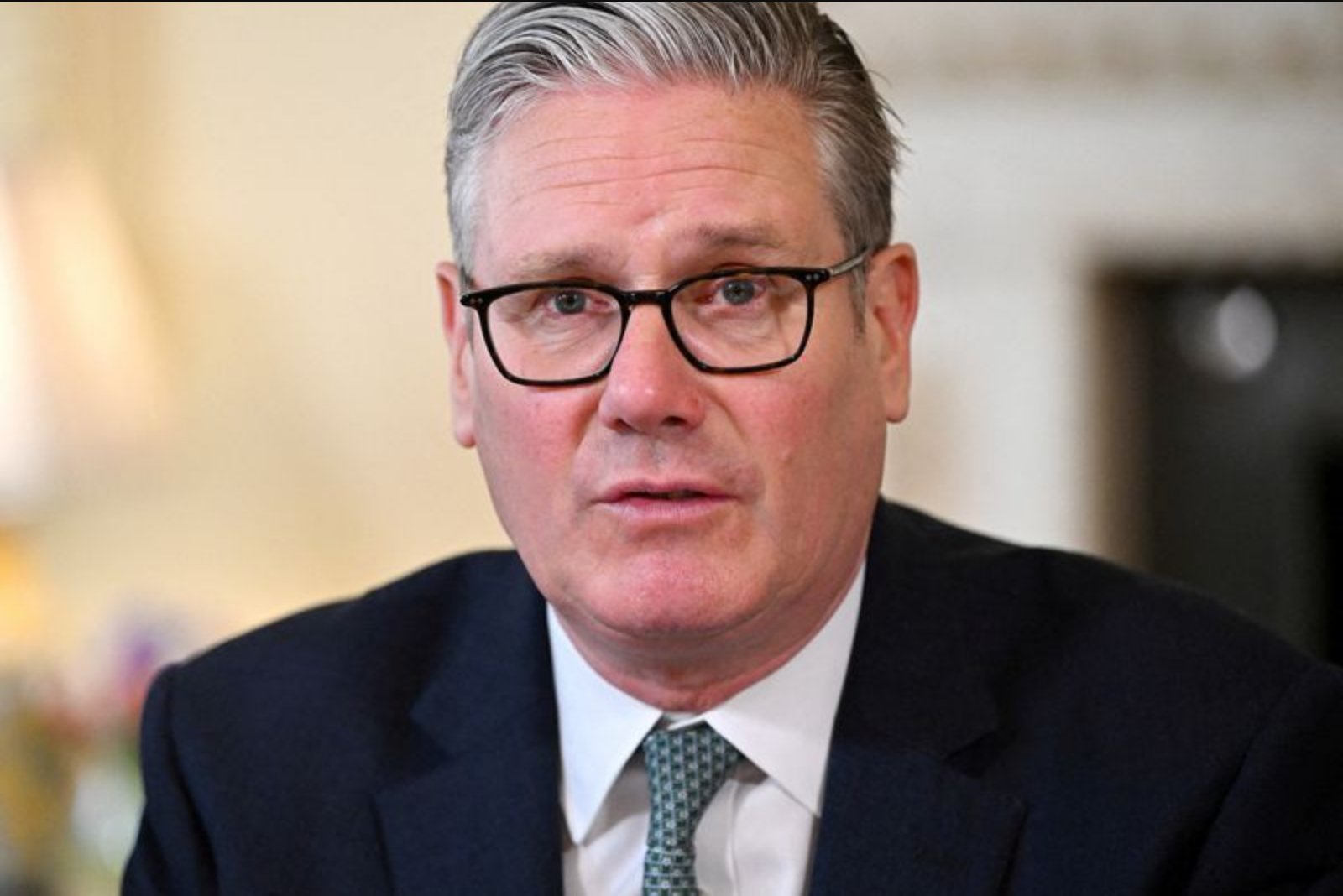
Prime Minister Keir Starmer is due to address lawmakers on Monday amid mounting criticism over the appointment and subsequent dismissal of Peter Mandelson as the United Kingdom's ambassador to the United States. New information disclosed this week showed Mandelson had not passed a security vetting process conducted before he was appointed - a fact that was not communicated to the prime minister until last week.
Mandelson, 72, was sacked as ambassador in September last year after revelations about the extent of his relationship with the late sex offender Jeffrey Epstein. Starmer apologised at the time for having appointed him.
The late disclosure that Mandelson failed the pre-appointment security vetting has intensified scrutiny of Starmer's handling of the matter, coming after a national election in 2024 that returned Labour with a large parliamentary majority. The episode has eroded the prime minister's standing among opponents who say it demonstrates serious errors in judgment and process.
Starmer had previously told parliament that all due procedures were followed in the ambassadorial appointment. He has since said it is unforgivable that he was not informed earlier about the vetting failure. In the immediate fallout, the government dismissed a senior Foreign Office official, Olly Robbins.
The prime minister has indicated he will "set out the relevant facts" to MPs on Monday. Separately, Robbins is scheduled to give evidence to a parliamentary committee on Tuesday.
Opposition figures have seized on the revelations. The leader of the Liberal Democrats, Ed Davey, described Starmer's conduct as a "catastrophic misjudgement." Kemi Badenoch, leader of the main opposition Conservative Party, wrote to the prime minister in a letter that characterised the episode as "a tawdry and shaming affair for you and your party, and for this country." In that letter she wrote that the situation had damaged the UK's relationship with the United States, insulted victims of Jeffrey Epstein, and undermined national security by assigning a top diplomatic role to someone the security services deemed of "high concern."
Technology Secretary Liz Kendall commented on Sunday that had Starmer known Mandelson failed vetting prior to the appointment, he would not have gone ahead with the decision even if it caused embarrassment. "There is no way that he would have proceeded with that whatever the so-called embarrassment, he would have thought that was wrong, and he would not have done it," Kendall told Sky News.
As events progress this week, the government faces intensified public and parliamentary scrutiny. The prime minister's forthcoming statement and the testimony from a top Foreign Office official are likely to shape whether the controversy abates or escalates into a broader challenge to his leadership.