
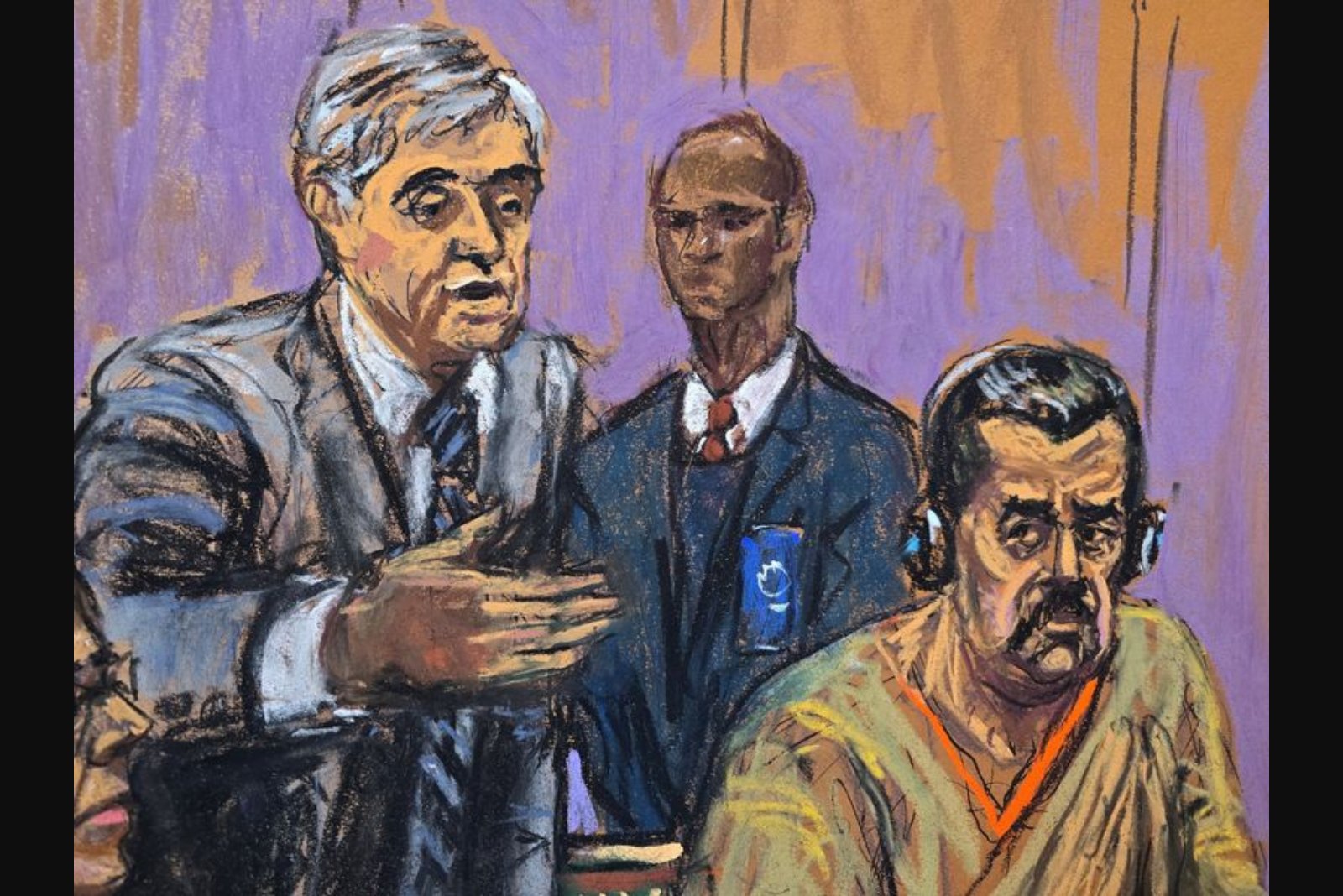
U.S. authorities have moved to modify sanctions on Venezuela to allow the country’s government to pay the legal bills of Nicolás Maduro, removing a constraint that had threatened to undermine the drug trafficking prosecution against the former Venezuelan president, court papers show.
Maduro, 63, and his wife Cilia Flores, 69, were taken from their Caracas residence by U.S. special forces on January 3 and brought to New York to face criminal charges that include narcoterrorism conspiracy. Both defendants have entered not guilty pleas and remain jailed in Brooklyn while awaiting trial.
Barry Pollack, Maduro’s lawyer, told Manhattan U.S. District Judge Alvin Hellerstein in February that U.S. sanctions were preventing the Venezuelan government from paying his legal fees. Pollack argued that the payment ban effectively denied Maduro the constitutional right to choose his counsel. Defense attorneys said neither Maduro nor Flores could afford private counsel on their own and that Caracas stood ready to fund their representation.
In response to those filings, Hellerstein indicated in a March 26 hearing that he did not plan to dismiss the case, but voiced skepticism about the government’s justification for blocking the payments. The judge said the constitutional right to counsel was paramount and questioned whether national security concerns required continued restriction of the payments.
Prosecutor Kyle Wirshba countered in court that the sanctions restricting payments were grounded in legitimate national security and foreign policy considerations. Wirshba also maintained that the judiciary could not order the Treasury Department to lift or alter sanctions, saying foreign policy decisions fall within the executive branch’s remit.
Hellerstein pointed to a relaxation of U.S. sanctions on Venezuela since Maduro’s ouster and noted improving relations between Caracas and Washington following changes in Venezuela’s interim leadership under Delcy Rodriguez. The judge said, "The defendant is here, Flores is here. They present no further national security threat," and added, "The right that’s implicated, paramount over other rights, is the right to constitutional counsel." Hellerstein is a judicial appointee of President Bill Clinton.
During his first term, President Donald Trump expanded sanctions on Venezuela amid allegations that Maduro’s government was corrupt and had weakened democratic institutions, while Washington described Maduro’s 2018 re-election as fraudulent. Maduro has rejected such accusations as pretexts for what he called a U.S. desire to seize control of the OPEC nation’s extensive oil reserves, and likewise dismissed allegations of his involvement in drug trafficking.
The court filing that disclosed the administration’s agreement to modify sanctions came after a series of legal arguments about the interplay between constitutional criminal protections and foreign policy tools. With the Treasury change, the immediate legal contention over access to chosen counsel has been addressed, though prosecutors had argued the broader authority to set sanctions policy remained with the executive branch.