
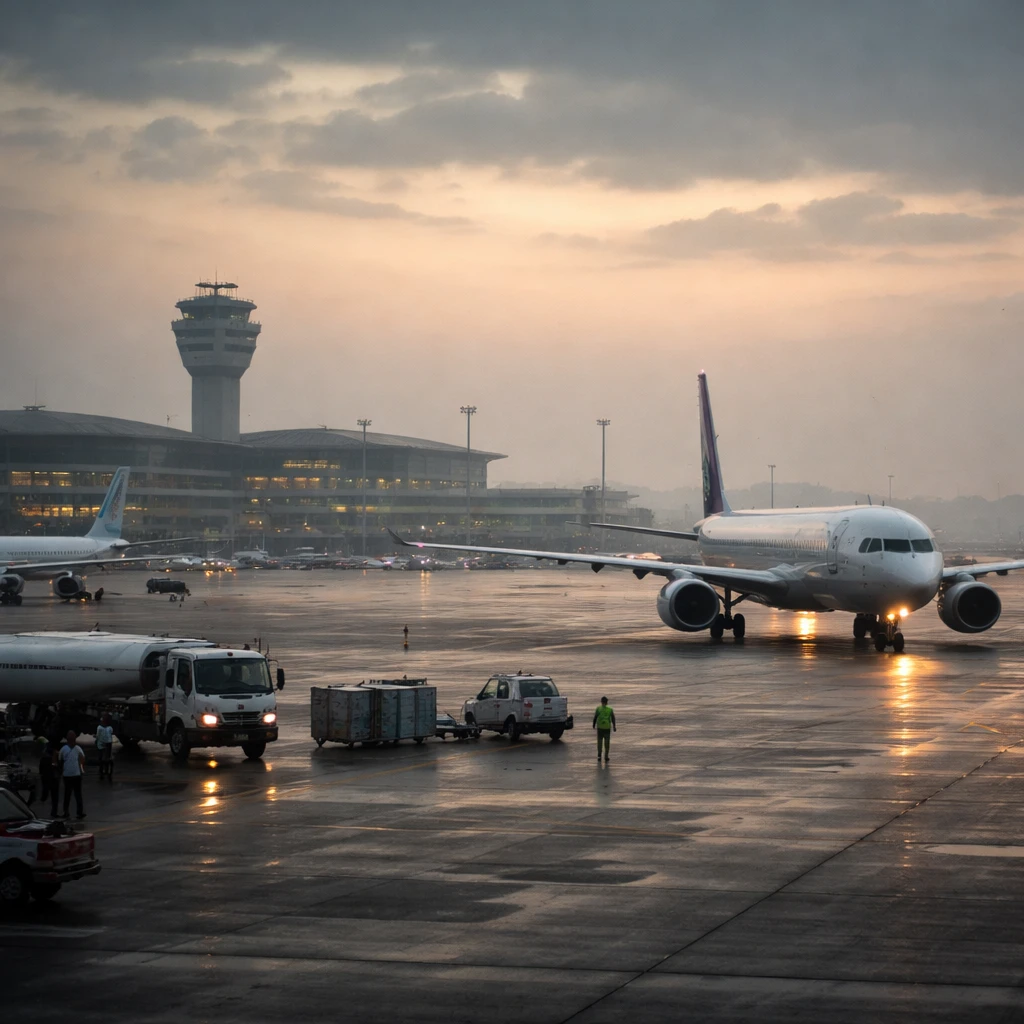
Iran's main international gateway, Imam Khomeini International Airport (IKA), resumed operations this morning, a tentative sign of normalizing civilian air travel after recent hostilities. Domestic carriers have begun limited schedules, with the first flights of the day departing for Istanbul and Muscat.
At the same time, a fresh round of diplomacy is under way in Islamabad this weekend. U.S. envoys Jared Kushner and Steve Witkoff are scheduled to travel to Pakistan to pursue talks aimed at ending the eight-week conflict with Iran. The mission is being framed as high-stakes, but the prospects for a breakthrough appear limited.
Tehran has publicly downplayed the initiative. A spokesperson for Iran's foreign ministry said Iranian officials do not plan to engage directly with the American delegation, and that any observations will be transmitted through Pakistani mediators rather than through face-to-face discussions.
Diplomatic friction is unfolding alongside a deepening economic squeeze. The United States is maintaining a naval blockade on Iranian ports, producing a near-total shutdown of traffic through the Strait of Hormuz. Ship-tracking data cited by officials show fewer than five ships transited the waterway in the last 24 hours, compared with pre-war averages of 130 vessels per day.
The blockade is being used as leverage by U.S. policymakers seeking concessions from Tehran on its nuclear program and regional activities. White House officials have described "some progress" in recent days but have not provided specifics. President Trump has expressed optimism, saying he believes Iran may be preparing to make an offer.
The human and economic toll of the conflict continues to grow. Casualty counts have surpassed 5,000 lives lost, and U.S. gasoline prices have climbed to multi-year highs, a factor that has elevated the political stakes domestically.
Global energy markets are responding to the uncertainty. Brent crude has traded above $105 per barrel this week as investors factor in the risk of prolonged disruptions to supply routes. Although Israel and Lebanon have extended their own ceasefire, the broader standoff between Washington and Tehran persists, keeping downside pressure on the global growth outlook.
Market participants and officials alike are noting that the "clock is ticking" for both sides. Analysts say that without a unified and direct diplomatic channel, risk premiums on energy-related assets are unlikely to ease, leaving commodity and shipping markets exposed to continued volatility.
For now, airport reopenings and shuttle diplomacy mark incremental steps rather than decisive advances. With direct contact between Tehran and Washington off the table, the role of Pakistani intermediaries will be central to any progress - but the path toward a negotiated resolution remains uncertain.