
U.S. law enforcement this week executed a criminal search warrant at the Houston headquarters of Ikon Midstream, a fuel trading company whose diesel exports are part of wider inquiries into suspected fuel smuggling into Mexico, a Department of Homeland Security spokesperson and multiple government sources in the United States and Mexico said.
Two U.S. officials and a Mexican security official confirmed the operation. One of the U.S. sources said agents focused on seizing computers and documents from Ikon’s offices. The precise motive for the search and a full inventory of any seized materials have not been confirmed.
After the search, a Department of Homeland Security spokesperson provided a brief statement, saying: "On April 14, Homeland Security Investigations executed a criminal search warrant at the offices of IKON MIDSTREAM LLC. This is related to an ongoing investigation into criminal activity." The FBI declined to comment when contacted. U.S. Customs and Border Protection and Mexico’s presidency did not respond to requests for comment.
Joseph Slovacek, an attorney for Ikon Midstream, confirmed that a search warrant was served on the company and said law enforcement cited earlier reporting about Ikon as the basis for the action. He told reporters that no arrests were made and asserted the company had not engaged in wrongdoing.
Ikon Midstream’s chairman and chief executive, Rhett Kenagy, could not be reached for comment.
Authorities have been examining the company’s export operations as part of a broader effort to trace diesel shipments that have at times surfaced in Mexico under suspicious circumstances. A 2025 investigative report detailed how a March 2025 cargo of diesel exported by Ikon aboard the tanker Torm Agnes ultimately arrived in Mexico. According to three Mexican security sources and a government security document cited in that reporting, the shipment ended up in the possession of Intanza, a Mexican company alleged to be a front for the Jalisco New Generation Cartel (CJNG).
Attempts to contact Intanza were unsuccessful. Letters sent by courier were not delivered, and the company does not appear to maintain a website, a public phone number or social media profiles, according to the earlier reporting.
U.S. officials say smuggled fuel and stolen crude oil have grown into the second-largest stream of revenue for Mexican cartels, behind narcotics. The U.S. government has stepped up efforts to curb the illicit trade alongside broader anti-cartel initiatives. In February 2025, the U.S. designated the Jalisco New Generation Cartel as a foreign terrorist organization.
The investigative reporting published in 2025 described how cartels potentially earn billions each year by moving fuel from the United States into Mexico with the assistance of various actors - some unwitting, others complicit. A common element in these schemes is falsified or incomplete import-export paperwork. Mexican authorities say smugglers often classify diesel, gasoline and naphtha as lubricants on trade documents to avoid steep Mexican import duties on fuels. That practice can dramatically reduce the taxes and duties payable - in one instance, the savings on a single cargo were calculated to be around $7 million.
Shipping manager Torm, which operated the tanker involved in the March 2025 shipment, has said it stopped doing business with Ikon Midstream in April 2025 "based on what has come to light." The company also stated it was not responsible for preparing customs paperwork for the cargos.
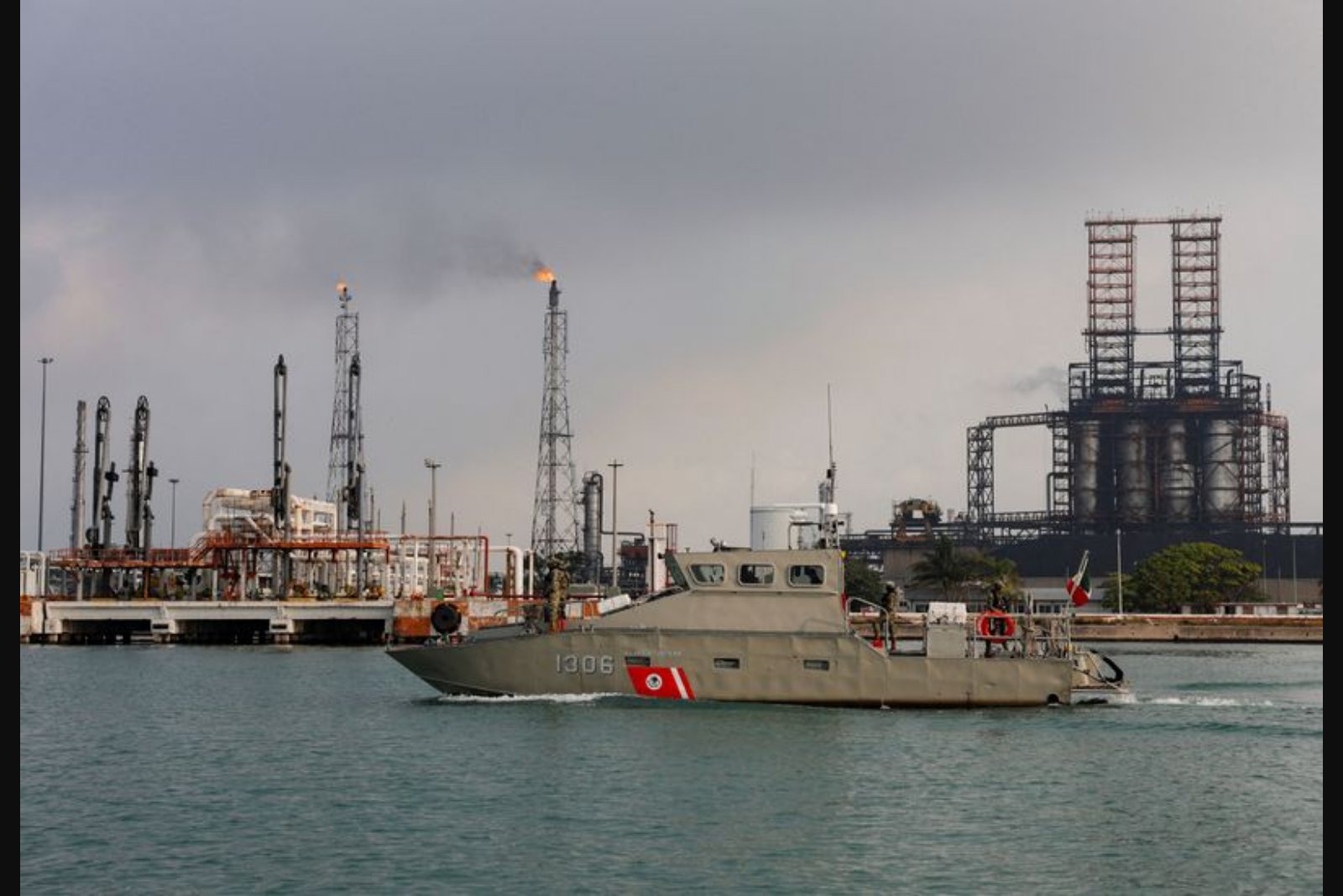
Following the prior reporting, Mexico’s government said it broadened investigations into suspected fuel smuggling involving unspecified companies and officials. A government report posted to a Senate website in February indicated that probes were extended to three Mexican ports where Ikon delivered petroleum products in 2025.
Ikon Midstream has consistently denied unlawful conduct. In November, the company filed a defamation lawsuit in Texas state court, alleging that earlier reporting contained "categorically false" statements about its operations. In a separate statement issued in March, Ikon said it "conducted its business lawfully" and asserted it has "never falsified any U.S. or Mexican customs document."
The news organization that published the earlier reporting has said it stands by its coverage and rejected assertions that it sought to prompt an investigation of Ikon by law enforcement.
The searches at Ikon’s Houston offices mark the latest visible step in a sequence of cross-border inquiries and private litigation tied to fuel exports and the route by which some shipments have reached illicit actors in Mexico. At this stage, authorities have not publicly detailed the scope of their evidence or whether further enforcement actions, including arrests or charges, will follow.
The case intersects several sectors - energy trading, maritime shipping and international trade compliance - and underscores ongoing regulatory and enforcement attention to fuel flows between the United States and Mexico.