
Commodities April 24, 2026 06:13 PM

Lavrov Accuses U.S. of Discarding International Norms to Secure Energy Dominance

Russian foreign minister says Washington prioritises its own interests, citing actions in Latin America, the Middle East and Europe

By Caleb Monroe
Lavrov Accuses U.S. of Discarding International Norms to Secure Energy Dominance

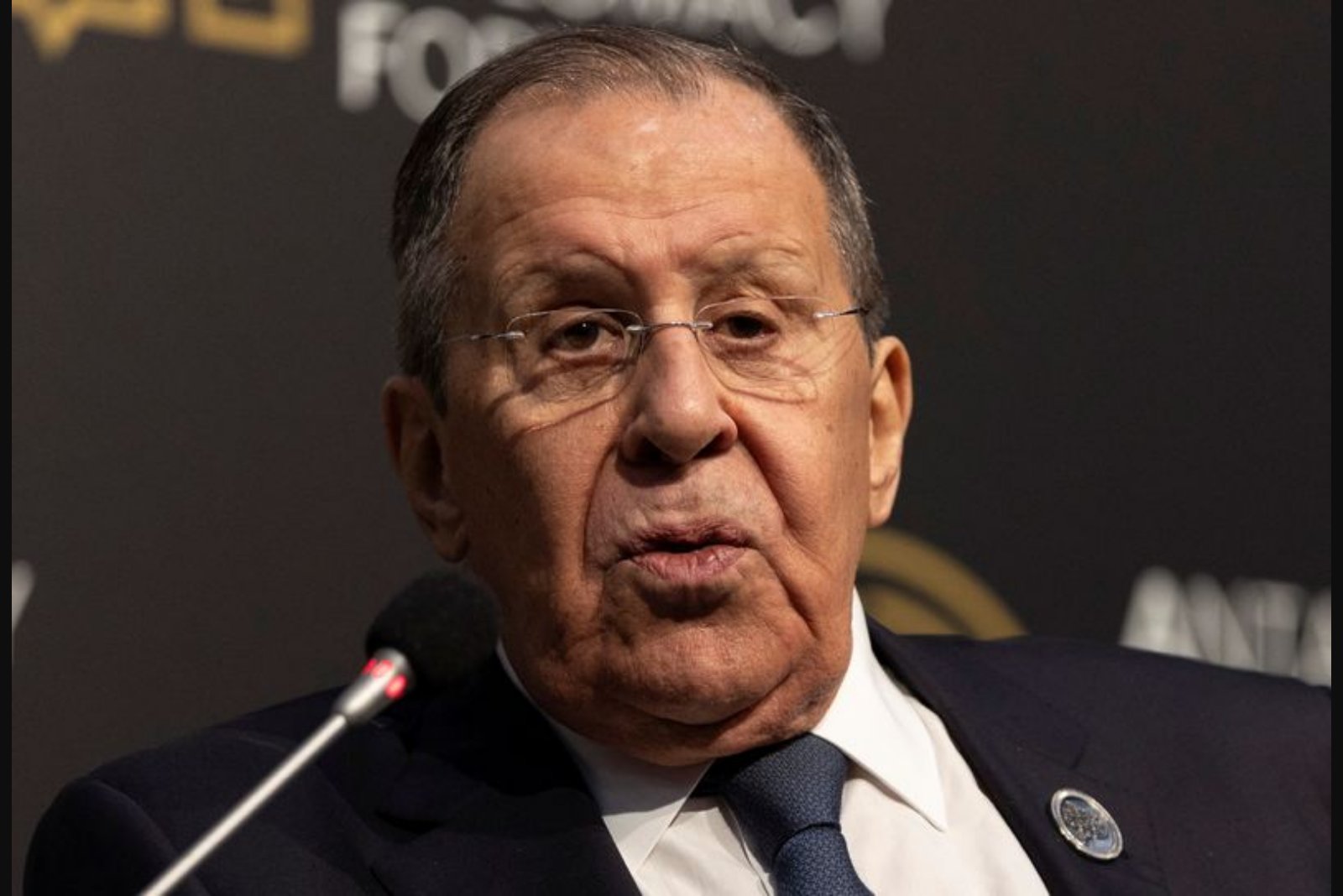
Russian Foreign Minister Sergei Lavrov told state television that the United States has abandoned established diplomatic norms and is pursuing its own interests, particularly to dominate global energy markets. In remarks posted on the Foreign Ministry website, Lavrov criticised U.S. conduct in Latin America and the Middle East, referenced alleged U.S. operations targeting foreign leaders with natural resources, and argued that Europe has been pressured to sever energy ties with Russia.

Key Points

  • Lavrov claims the United States has abandoned recognised international diplomatic conventions and is pursuing its own interests, particularly to dominate global energy markets - impact on energy sector and geopolitics.
  • He referenced alleged U.S. operations affecting leaders in Venezuela and Iran, saying these actions are tied to securing natural resources, particularly oil - impact on Latin America and Middle East political stability and energy supplies.
  • Lavrov criticised U.S. pressure on Europe to abandon the damaged Nord Stream pipeline and to dissuade Hungary and Slovakia from buying Russian gas, which he said amounts to cutting off Europe - impact on European gas markets and energy security.

Russian Foreign Minister Sergei Lavrov accused the United States of abandoning long-standing international diplomatic conventions and acting primarily to advance its own interests, with a specific focus on controlling global energy markets, in remarks broadcast on Friday.

In an interview aired by Russian state television and subsequently posted on the Foreign Ministry's website, Lavrov said U.S. behaviour in regions such as Latin America and the Middle East amounted to a rollback of international law. He framed Washington's approach as taking the international system "back to a world where nothing existed" in terms of legal constraints.

"The United States has officially declared that no one can dictate to it," Lavrov said in the interview. "It cares only about its own well-being and is ready to defend that well-being by any means - coups, kidnappings or assassinations of leaders of countries that possess natural resources the Americans need."

Lavrov named Venezuela and Iran when characterising U.S. priorities around oil, saying "our American colleagues do not hide that this is about oil. They have a doctrine of dominance in global energy markets." He tied these accusations to two incidents he alluded to in the interview: the capture of Venezuelan President Nicolas Maduro in a January U.S. military operation and what he described as the killing of Iranian Supreme Leader Ayatollah Ali Khamenei in joint U.S.-Israeli airstrikes at the end of February.

On Europe, Lavrov said the United States had effectively "cut off" the continent by urging it to abandon the now-damaged Nord Stream pipeline that carried Russian gas to Germany. He also said Washington supported European Union measures intended to discourage Hungary and Slovakia from purchasing Russian gas.

"This is not an approach to international relations. It is an attempt to return to the colonial era," Lavrov said, condemning European policy as guided by "arrogance and contempt for others."

Lavrov further criticised U.S. involvement in discussions around a settlement to the four-year war in Ukraine, saying Washington emphasised the prospect of "huge economic opportunities" as part of its messaging. He characterised these developments as occurring in parallel with efforts he said were aimed at excluding Russia from global energy markets.

"At the same time, everything I just described is happening in parallel. We are being pushed out of all global energy markets," Lavrov said. He added that if Russia were willing to engage in mutually beneficial projects and supply what the United States sought, then U.S. conduct should also respect Russian interests, a standard he said has not been met so far.

Risks

  • Escalation of geopolitical tensions arising from accusations of coercive actions and targeted operations could further destabilise energy markets and affect global energy suppliers and buyers.
  • Pressure on European states to avoid Russian gas, and the resulting damage to infrastructure like the Nord Stream pipeline, risks disrupting energy trade flows and could influence energy prices and regional supply decisions.
  • Perceived exclusion of Russia from global energy markets, as described by Lavrov, creates uncertainty for long-term energy contracts and investment decisions in the energy sector.

More from Commodities

U.S. Agents Search Houston Offices of Fuel Trader Ikon Midstream Amid Probe of Diesel Shipments to Mexico Apr 24, 2026 U.S. Rig Count Inches Up After Three-Week Slide, Driven by Gas Activity Apr 24, 2026 Oilfield Services Anticipate Rising Upstream Investment as Middle East Conflict Disrupts Supply Apr 24, 2026 U.S. State Department Legal Adviser Defends Military Campaign Against Iran as Self-Defense and Aid to Israel Apr 24, 2026 Industry and Farm Groups Press Congress to Allow Year-Round E15 Sales Amid Rising Pump Prices Apr 24, 2026