
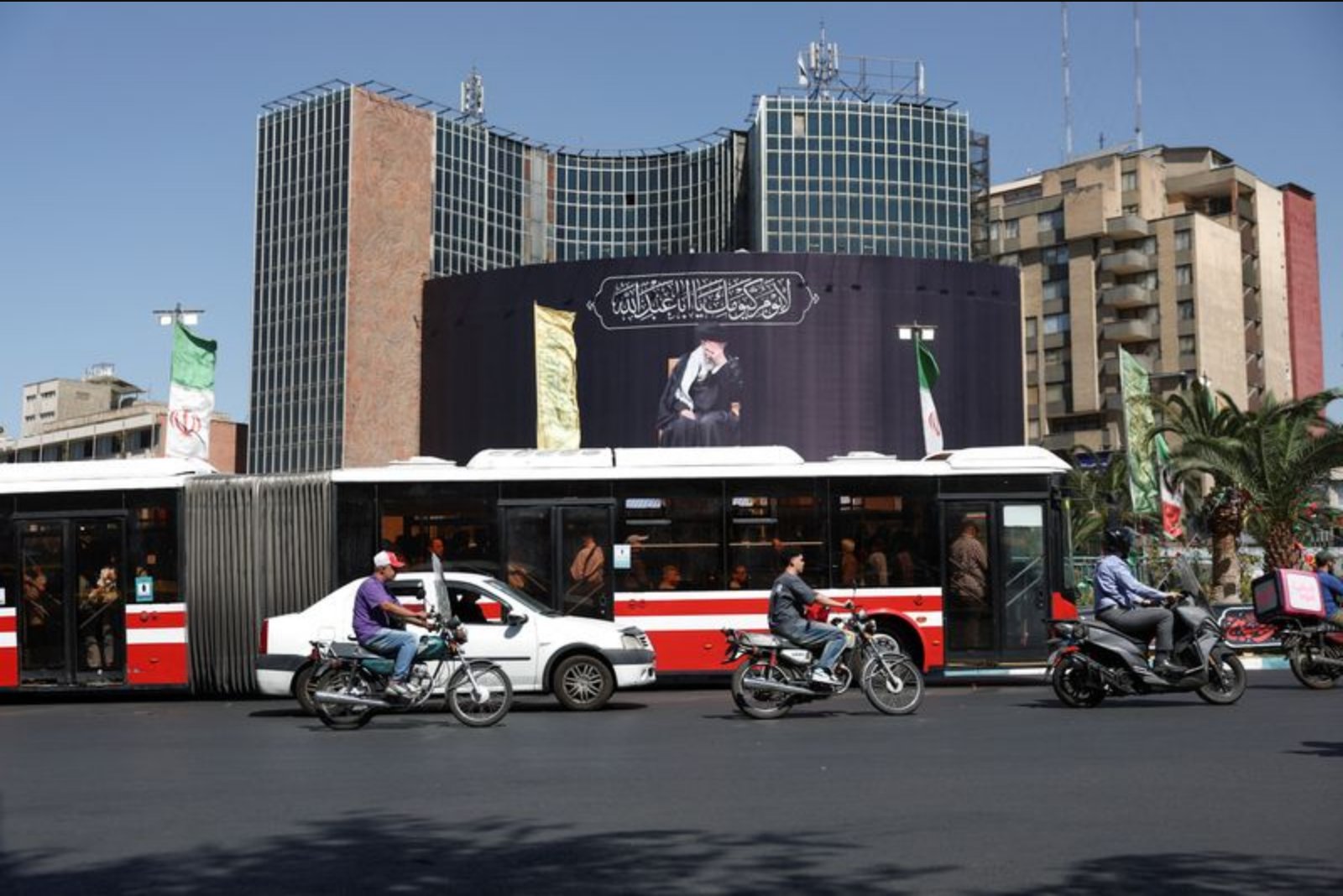
Diplomatic officials in Washington and Tehran have signed a preliminary memorandum intended to extend a fragile ceasefire and open a path toward ending the fighting in the Middle East, but substantial questions remain about how the agreement will function and how quickly normal maritime and energy flows will resume.
U.S. President Donald Trump announced on Monday that the U.S. and Iran had signed a preliminary agreement to end the conflict, although he and Iranian officials said a final truce was still to be negotiated. The interim accord would extend a ceasefire first declared in April by another 60 days and would allow the Strait of Hormuz - which has been effectively blocked since the U.S. and Israel attacked Iran in February - to reopen for commercial traffic.
Negotiators plan to use the 60-day window to tackle difficult issues, including the future of Iran’s uranium enrichment and broader elements of its nuclear programme. Two other major grievances cited by Trump and Israeli Prime Minister Benjamin Netanyahu as justifications for the war - curtailing Iran’s support for regional armed proxies and restricting its missile programme - are not believed to be on the negotiating agenda for this interim phase.
"The deal’s all signed," the U.S. president said after arriving in France to attend a summit of the G7 group of large economies. He said Vice President JD Vance would attend a formal signing ceremony in Geneva on Friday. U.S. officials indicated that the text of the memorandum was a "very general document," and that further details would be released over the next two days, according to comments from Vance.
Vance told CNN the memorandum included "a very significant sanctions relief package" for Iran and later suggested on Fox News that President Trump may decide to make the agreement public before Friday.
Economic incentives and the reconstruction fund
U.S. and Iranian officials said the interim arrangement could, if implemented, deliver major economic benefits for Iran. Those benefits were outlined as the lifting of sanctions, the unfreezing of foreign assets, and the establishment of a $300 billion reconstruction fund. Officials said the fund would be financed by neighbouring Gulf states that host U.S. military bases.
U.S. officials, speaking on condition of anonymity, said Iran would need to meet U.S. conditions such as commitments not to build a nuclear weapon and to sever ties with militias like Hezbollah in Lebanon in order to obtain the stated economic benefits. Iranian officials maintain that they never intended to build a nuclear weapon and said they had made few concessions by agreeing to resume diplomatic talks over their uranium enrichment programme, which had been interrupted by the war.
Market reaction and shipping sector caution
Financial markets reacted immediately to the announcement. Oil prices fell on Monday to their lowest level since March 10, a decline that followed the earlier blockade of the Strait of Hormuz - a narrow waterway between Iran and Oman that had cut off one-fifth of the world’s oil trade. By Tuesday, prices had steadied, with Brent crude futures down 0.3% to $82.96 a barrel in Asian trading hours, reflecting investor caution about how quickly supplies and shipping would normalize.
Shippers have warned that reopening the strait would not automatically restore traffic. The chief executive of Japan’s Mitsui O.S.K. Lines, which operates a fleet of more than 900 vessels including tankers, told the Financial Times that shipowners would not resume transits until they were confident the U.S.-Iran agreement was substantive and durable. "Given the experiences in the last couple of months, I think it’s reasonable to assume that it may take at least a couple of weeks or if not a month," Tamura said before President Trump announced the deal. A subsequent report indicated that the developing agreement had not changed Tamura’s assessment.
Iran has suggested it will retain joint control over the strait with Oman. The U.S. has said the strait should be open toll-free for the 60-day period and that it would expect that provision to be part of any final agreement. President Trump posted on Truth Social that ships loaded with oil were beginning to move out of the strait, "going along the Southern ’Highway,’ which is totally safe, secure, and pristine."
Remaining security flashpoints: Lebanon and Israel
The conflict between Israel and the Iran-allied Hezbollah militia in Lebanon remains a major unresolved issue. The fighting has uprooted 1.2 million people, and Iran has said the interim pact requires a full stop to hostilities on that front. Israeli Prime Minister Benjamin Netanyahu, however, said Israel would maintain its forces in southern Lebanon and retain the right to respond to Hezbollah attacks. "Iran wanted us to withdraw from it, but I stood firm," he said at a news conference on Monday.
Israel has not directly taken part in the talks with Iran. A U.S. official said an Israeli withdrawal from Lebanon - which Israel invaded in March after Hezbollah joined the war - was not a condition of the memorandum. Iranian Foreign Minister Abbas Araqchi said Israeli attacks must stop immediately.
Human toll and scope of the conflict
Diplomats described the interim memorandum as the most significant diplomatic step yet toward resolving a broad conflict that has resulted in at least 7,000 deaths, primarily in Iran and Lebanon, and severe disruptions to markets and regional stability.
Iranian President Masoud Pezeshkian wrote on social media on Monday that the interim agreement was an "important step" toward halting the fighting, but he cautioned that a final deal for a lasting truce "has yet to take shape."
What comes next
Officials from the two countries said the 60-day interim window will be used to negotiate more detailed and potentially contentious topics, beginning with Iran’s nuclear programme. Other issues tied to the outbreak of hostilities - such as Iran’s regional support networks and missile capabilities - are not expected to feature in the short-term negotiations. U.S. officials indicated that any economic relief and reconstruction financing would be conditional on Iran meeting key U.S. security demands.
For the shipping industry and energy markets, the pace at which confidence returns will determine how quickly trade and prices normalize. Company executives and shipowners signalled that reassurance and verification of safe transit will be prerequisites to resuming routine passage through the Strait of Hormuz.
As the signatories move toward a formal signing ceremony and further disclosures, key details about enforcement, verification, and the sequencing of sanctions relief remain to be revealed. Until those texts are made public and implemented, market participants, shippers and regional actors are likely to stay cautious.