
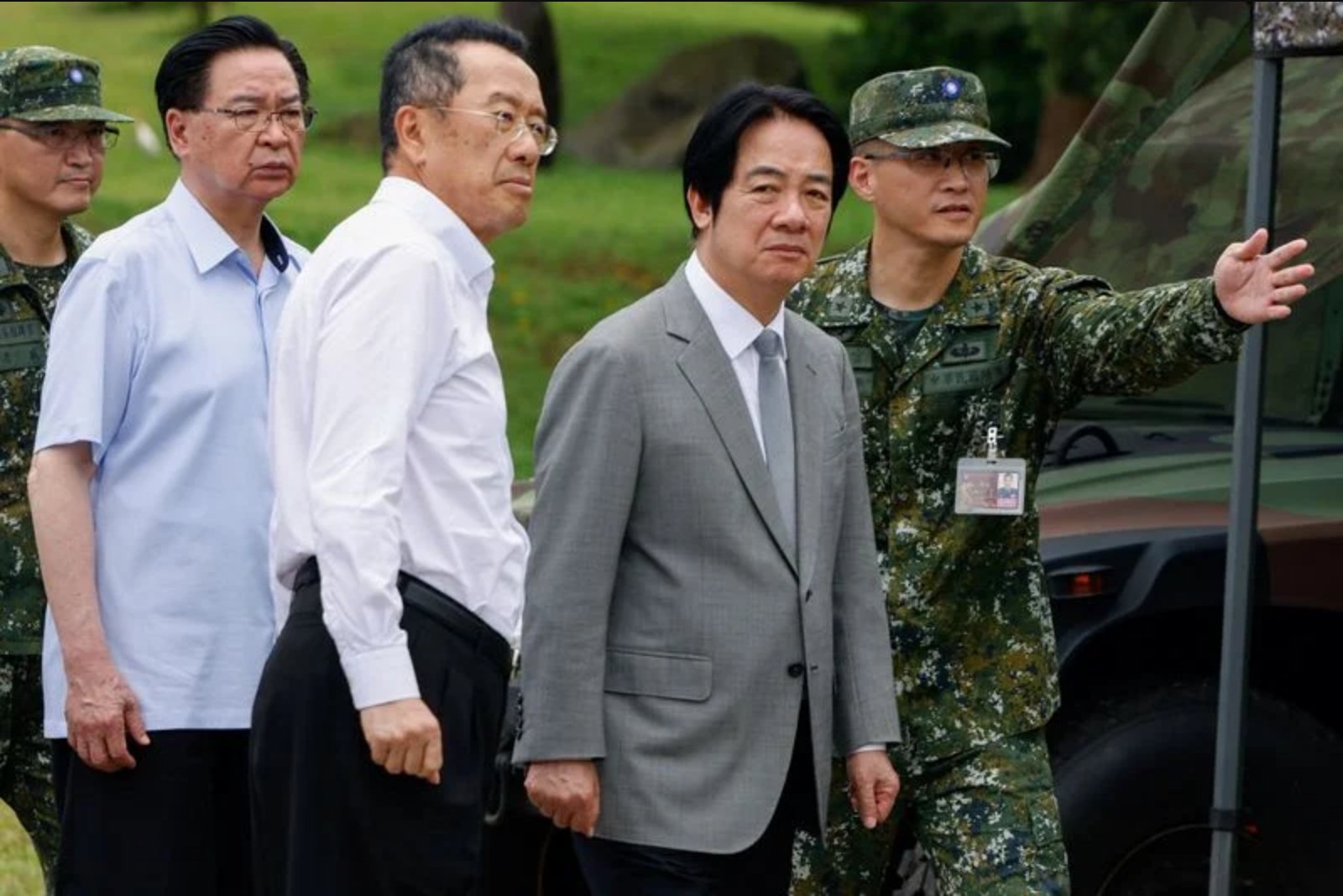
Taiwan President Lai Ching-te said on Tuesday he will persist in efforts to bolster the island's defence budget after lawmakers in an opposition-majority parliament last month approved only two-thirds of a $40 billion supplementary defence package. The parliamentary approval left out funding for domestically manufactured drones and missiles that the government had prioritized as part of its modernisation plans.
Speaking at a military base in New Taipei, Lai framed the cuts as a challenge the administration will meet through other means. "Regarding the major cuts to the special national defence budget, we will not give up," he said. He outlined plans to pursue separate special legislation, to back the armed forces through further supplementary budgets, and to seek increases in the annual government budget to keep defence equipment and infrastructure projects moving forward.
Taiwan's military modernisation has emphasised drones and other asymmetric capabilities, but parliament authorised only the purchase of U.S. weapons and vetoed domestic procurement funds for drones and missiles. Lai argued the domestically produced systems are central to enhancing deterrence against China, which regards the democratically governed island as its territory.
On Taiwan's long-term spending goals, Lai said he wants to raise defence outlays to 5% of gross domestic product by 2030 from about 3% at present, a target he noted aligns with calls from the Trump administration for allies to boost their military spending. He also reiterated the role of the United States as Taiwan's principal international backer and arms supplier despite the absence of formal diplomatic ties.
Addressing operational priorities, Lai said that, given "rapidly changing regional circumstances", Taiwan's armed forces must refine combat training and make effective use of technologies such as drones. He referenced comments from the top U.S. diplomat in Taipei this month urging Taiwan to "spend smarter" on defence and to draw lessons from the use of drones in the Ukraine and Middle East conflicts to help preserve a military balance with China.
Later on Tuesday Lai toured key radar installations in the mountains around Taipei that monitor Chinese activity. Observing service personnel at work, he said: "I saw our servicemen and women monitoring aerial activity around the clock, identifying targets in the waters off northern Taiwan, and transmitting intelligence. Their work provides the most immediate and precise support for the overall defence response."