
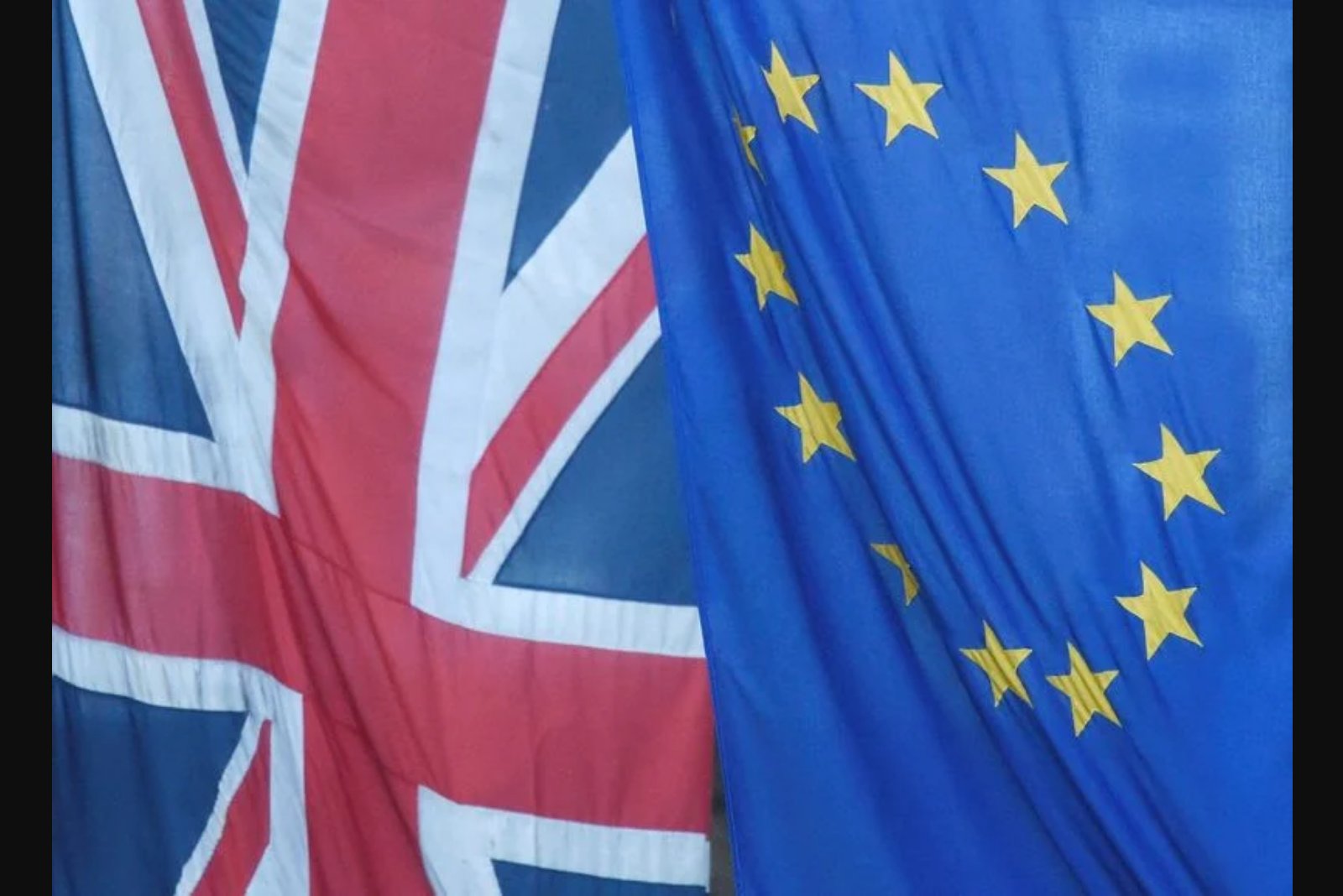
Ten years on from Britain's June 23, 2016 referendum on European Union membership, two brothers in Nottingham find themselves united in disappointment despite having campaigned on opposite sides a decade ago. The diverging expectations they had before the vote - one hoping for greater freedoms, the other seeking pragmatic continuity - have both, in different ways, fallen short of hopes.
Nigel Baxter, 63, who runs a commercial vehicles business and supported leave, says the political and economic change he anticipated has not come to pass. Based in Nottingham in central England, he had expected deregulation, tax cuts and fresh inward investment to follow Brexit. Those outcomes, he argues, have not materialised, and he lays responsibility on the government for what he sees as a failure of dynamism.
"We have failed to capitalise on something that was monumental in terms of the decision," Nigel said.
Ian Baxter, 60, who owns a logistics company and favoured remain, described the half of the electorate that backed leave as having been "sold a dream." He acknowledged that leaving the EU has not generated "catastrophic consequences," but emphasised that British firms now face greater difficulty selling goods to the EU, which remains the United Kingdom's largest trading partner.
In an ironic twist for Ian, Brexit has catalysed growth for part of his business. He established a unit providing customs services to assist UK companies selling to the EU, and that operation has expanded significantly. But he framed that expansion as occurring "at the cost of our customers really and their trade with the European Union which is not as strong as it otherwise would have been." Ian remains of the view that trade should not have become more complicated.
Despite their political differences, the brothers have remained on amicable terms. They also back rival football clubs - Chelsea and Arsenal - a different area of rivalry that does not appear to have affected their relationship.
Their personal experiences resonate with a wider shift in public opinion. A YouGov poll on June 9 found that almost six in 10 people now think Britain was wrong to vote to leave the EU. The bitter tempers that surfaced publicly in 2016 - amplified by dire economic warnings and provocative billboards showing long queues of migrants - have given way to a quieter national mood. Still, the underlying public concerns that animated the referendum debate persist: stagnant living standards, underfunded public services and migration.
For Nigel, Brexit has receded somewhat from immediate focus. "It's sort of faded in my mind to be honest with you," he said, suggesting that other issues have taken precedence for him personally.
Ian, by contrast, continues to consider Brexit a salient issue. The subject has re-emerged in party politics and is showing signs of being an active battleground in any potential leadership contest within the governing Labour Party. He welcomed efforts by the government elected in 2024 to pursue closer relations with the EU, while rejecting the prospect of rejoining the bloc under less favorable terms.
"I'm not sure the EU would offer us the sweetheart deal that we had then ... I doubt very much that is available and therefore I don't see the UK rejoining the EU," Ian said.
The brothers' reflections illustrate how divergent expectations from the same political event can converge into similar disappointment. One attributes the shortfall to unmet promises of economic liberalisation and investment; the other to practical barriers that have complicated trade with Britain’s primary market. Both experiences underscore the complex economic and political legacies of the referendum a decade on.
Background note: The account above is drawn from the recollections and statements of the two businessmen and reflects public opinion polling referenced in June.