
BEIJING, Nov 26 - China's defence ministry on Thursday publicly urged Japan to stop "stirring up trouble" over the South China Sea, responding to growing security cooperation between Tokyo and Manila.
The remarks came after an announcement earlier this month that Japan would provide the Philippines with radars and drones intended to strengthen the country's coastal surveillance. Both Japan and the Philippines are formal military allies of the United States.
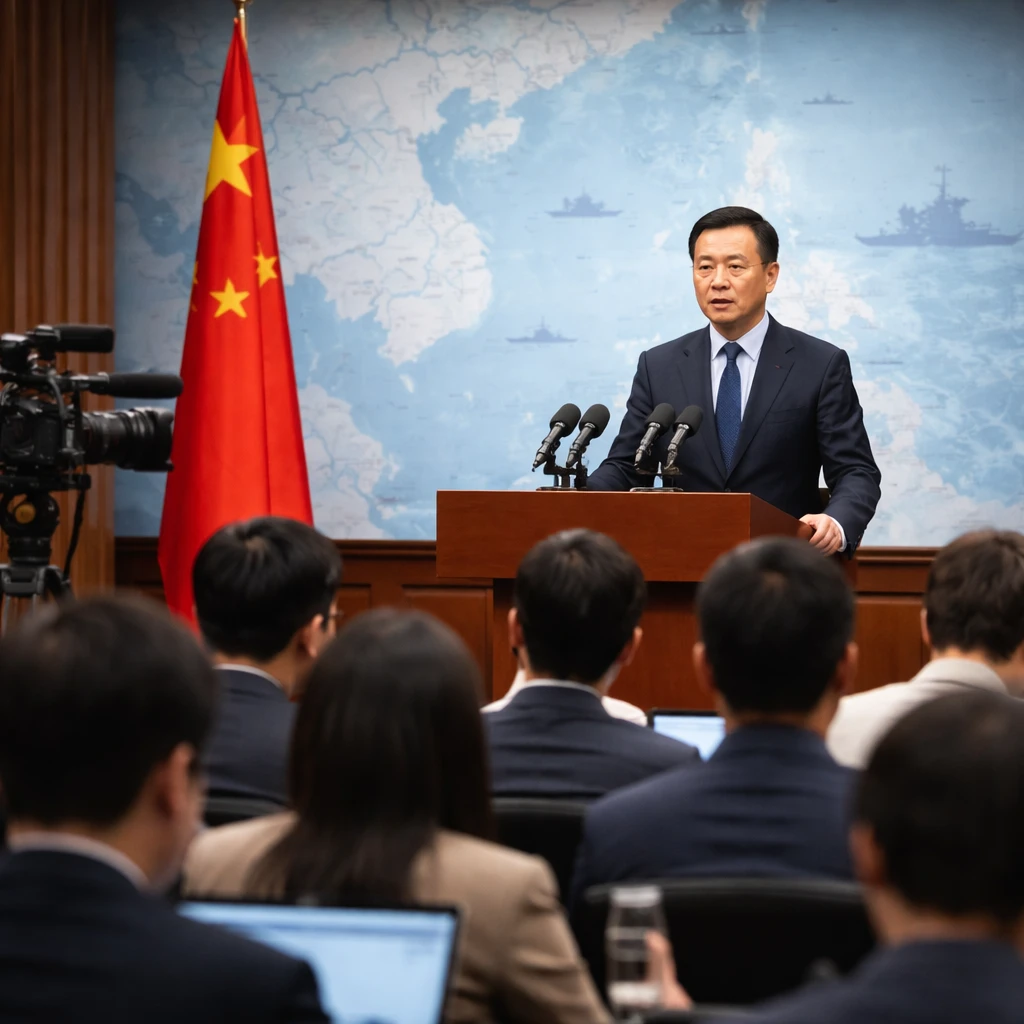
At a regular press briefing in Beijing, defence ministry spokesperson Chen Xi said Japan is not a party to the South China Sea disputes and therefore has no rightful standing to comment on them. "We demand that Japan stop stirring up trouble over the South China Sea issue," Chen said.
Chen accused Japan of using what he called "so-called external threats" to intensify regional anxieties, to form military cliques and to attempt to increase its military presence in the South China Sea. He framed those actions as provocative and unnecessary.
China and the Philippines have seen frequent clashes between their coastguard vessels near contested shoals and reefs - a manifestation of long-simmering tensions over the strategically important trade waterway. In recent years, concern has been raised by the United States and its partners about China's expanding deployments of naval, coastguard and militia vessels in the area.
The South China Sea is subject to overlapping maritime claims. China asserts sovereignty over nearly the entire sea, claims that overlap with those of the Philippines, Vietnam, Malaysia, Brunei and Taiwan. In 2016, a Hague-based tribunal ruled that China’s claims had no legal basis; Beijing has rejected that decision.
Chen was also questioned about Chinese military activity beyond the immediate maritime disputes, including operations further into the Pacific and daily Chinese presence around Taiwan. He defended the military's increased training and readiness, saying the stepped-up training, combat preparedness and continuous improvement of practical capabilities to defend China's sovereignty and territorial integrity are "entirely legitimate and reasonable."
On the topic of recent drills, Chinese exercises earlier in November - described by officials in Taipei as a campaign of "silent intimidation" - were framed by Beijing as routine training. "We oppose certain parties hyping it up with ulterior motives," Chen said.
Chen additionally directed criticism at Taiwan's ruling party, saying, "The Democratic Progressive Party authorities are the biggest disruptors of the status quo in the Taiwan Strait." Taiwan's government, for its part, maintains that only the island's people can determine their future and rejects Beijing's sovereignty claims.
China's defence ministry comments underline a diplomatic standoff over who has the authority to shape responses to maritime security in the South China Sea. The development follows Tokyo's move to deepen surveillance cooperation with Manila and comes against a backdrop of increased military activity and regular confrontations at sea.
The exchange underscores competing narratives about regional security: Beijing emphasizes the legitimacy of its defensive measures and training, while critics point to increased deployments and joint security arrangements among other regional actors as sources of heightened tension.