
AMSTERDAM - The Netherlands is mounting a concerted diplomatic effort to push back against a U.S. proposal aimed at limiting China’s access to advanced chipmaking technology, saying the draft U.S. measure would place Europe at an unacceptable competitive disadvantage.
Dutch trade minister Sjoerd Sjoerdsma on Thursday described the legislative text now being debated in the U.S. Congress as going "way too far." The bipartisan bill, known as the Multilateral Alignment of Technology Controls on Hardware (MATCH) Act, is under consideration to be attached to the annual U.S. defence policy bill.
The MATCH Act would require U.S. allies, including the Netherlands and Japan, to tighten export controls to China on semiconductor equipment. If allies did not comply, Washington could impose unilateral measures restricting the sale of U.S. semiconductor equipment to those partners, according to the proposal under discussion.
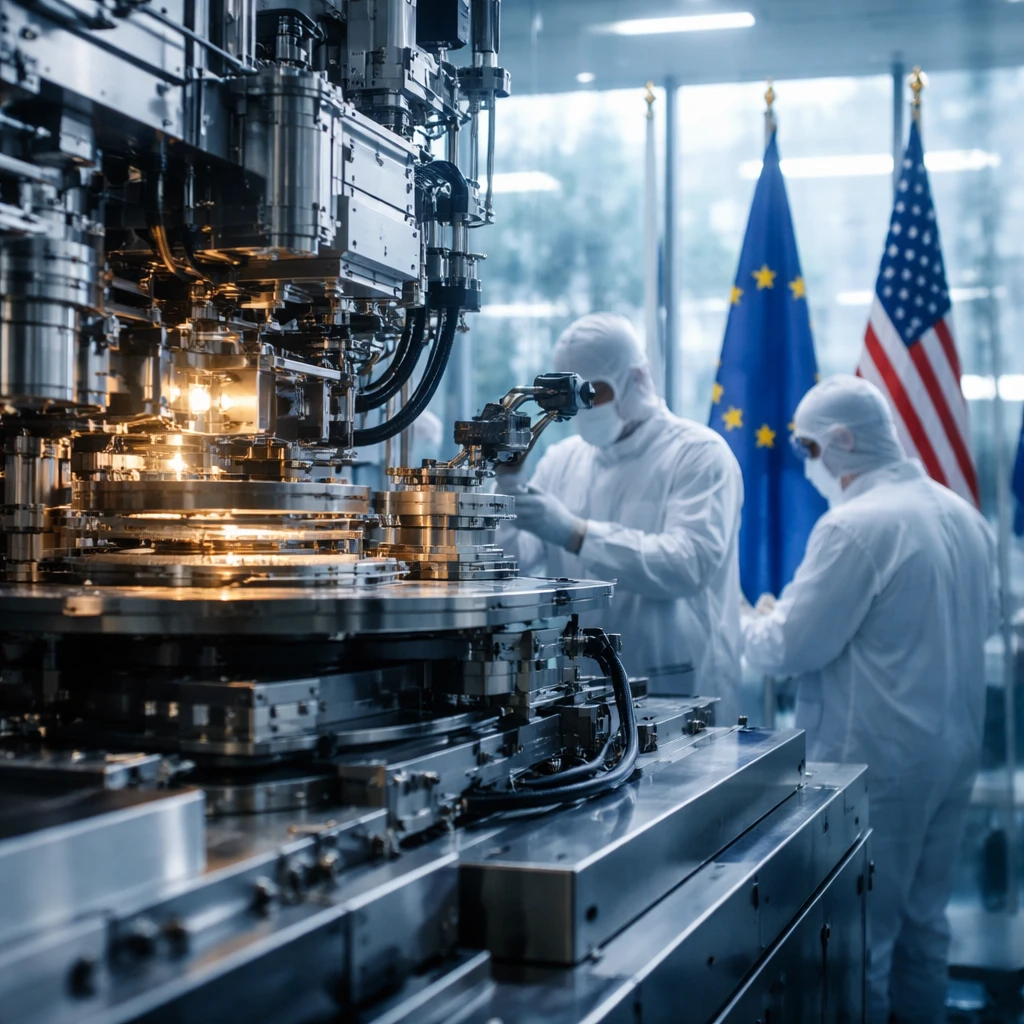
Sjoerdsma argued that the implications extend well beyond the Netherlands. He highlighted the potential impact on ASML, the Netherlands-based maker of chipmaking tools that is the most valuable listed company in Europe. ASML supplies equipment needed for semiconductor fabrication and, according to the company’s own expectations cited in the debate, anticipates China will represent roughly 20% of its sales this year.
Addressing lawmakers in the Dutch parliament, Sjoerdsma warned that the fallout would be felt across the whole European Union, saying: "The consequences will be felt throughout the European Union, also as it will create a strong precedent." He framed the issue in the context of retaining competitiveness in semiconductors and keeping pace with rapid advances in artificial intelligence, adding: "Europe can’t afford to fall behind."
The minister said the Dutch government is coordinating with the European Commission, as well as with Germany and France, in an effort to prevent the MATCH Act from being attached to the defence bill. "We will not simply be told what to do. If the act is adopted, our message to the US administration will be to not enforce it," Sjoerdsma said.
He further explained that, should diplomatic lobbying prove unsuccessful, the Netherlands and the European Union would evaluate available steps to limit adverse effects. "We will explore what options we will have for this, both bilateral and in the European context, and if we will need other instruments for this," he said.
The proposed controls, as debated in Congress, carry implications for trade policy and for companies that sell equipment used in advanced semiconductor manufacturing. For ASML, based in the Netherlands and identified in the parliamentary discussion as Europe's most valuable listed company, the bill could produce substantial commercial consequences because of its exposure to sales in China.
Commercial note included in original coverage: The original report included a promotional segment describing an investment product that evaluates companies, including ASML, using automated analysis and stating that its strategies have returned 2.3X the S&P 500 over three years and are being offered at a discount for a limited time. That segment posed several reader questions about the bill's status, comparative stock performance and investment decisions regarding ASML.