
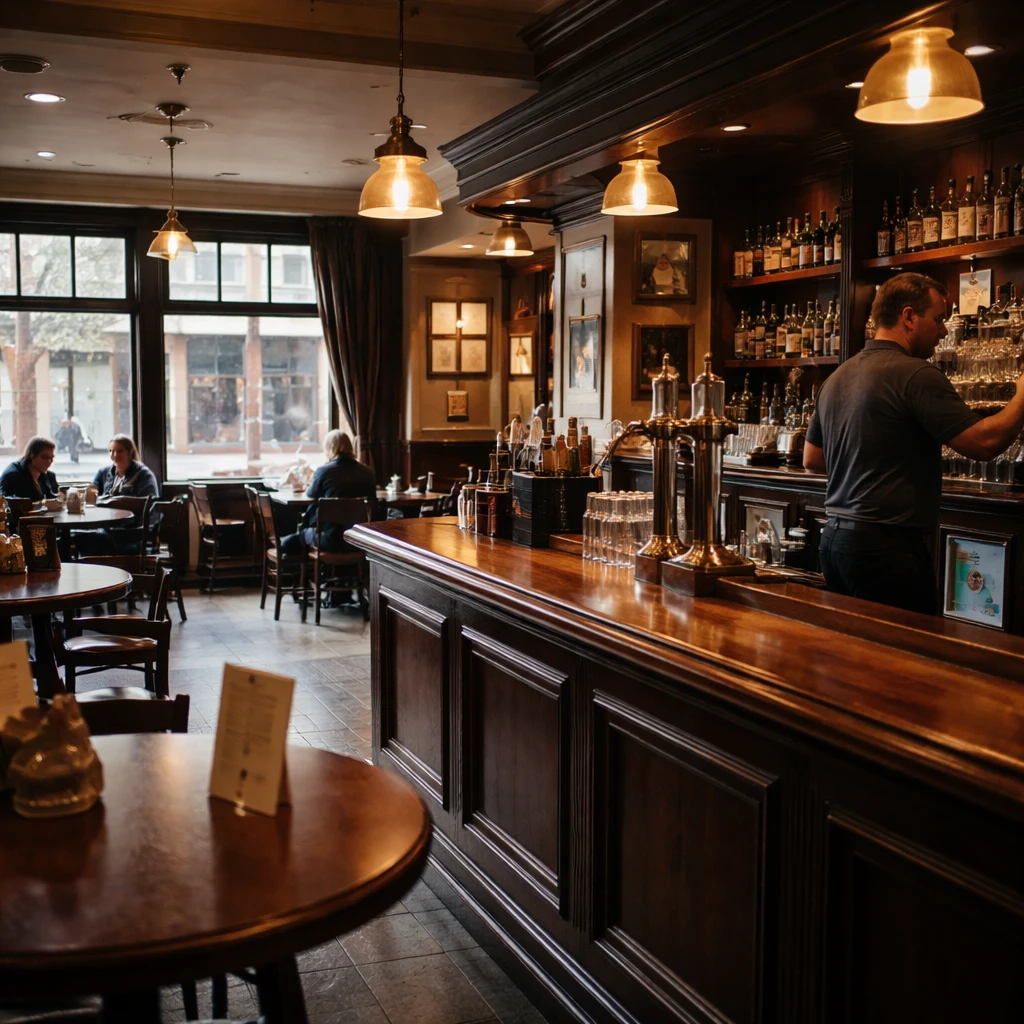
Mitchells & Butlers has cautioned investors that it expects around £95 million of additional cost pressure in the year ahead, while its annual adjusted operating profit in the most recent year rose only marginally to £332 million.
The group said that like-for-like sales growth has softened at the start of the new year, with a 1.1% increase in the first eight weeks compared with 2.1% for the full fiscal 2026 year. Management has delayed any change to its shareholder returns policy until it provides a capital allocation update at its half-year results in May 2027.
Cost outlook and hedging
Management attributed the estimated £95 million cost headwind in fiscal 2027 predominantly to higher labour costs arising from statutory rate increases. The company also noted that it has secured contracts covering about 50% of its energy requirements for the year.
An update on the company's capital allocation framework will be provided with the half-year results in May 2027. No dividend was declared or paid in the reported year.
Profitability and margins
Adjusted operating profit came in at £332 million, up from £330 million in the prior year, as modest like-for-like sales growth and operational efficiencies offset total cost increases of approximately £120 million. Those cost increases were led mainly by labour-related items - including higher National Living Wage rates and increased employer National Insurance contributions - together with higher food costs, particularly in meat. Adjusted operating margin slipped slightly to 12.1% from 12.2% the year before.
On a statutory basis, operating profit declined to £302 million from £322 million after the company disclosed £30 million of separately identified items, which included a net property valuation charge of £27 million.
Profit before tax fell to £229 million from £238 million in the prior period. Basic earnings per share were 28.8p, down from 29.7p, while adjusted earnings per share increased to 32.8p from 30.9p. Net finance costs decreased to £79 million from £91 million.
Sales and quarterly trends
Revenue for the year was £2.75 billion compared with £2.71 billion previously, with total sales up 1.3%. The company reported like-for-like sales growth of 4.5% in the first quarter, 1.8% in the second, 0.0% in the third and 1.7% in the fourth. Management said the third quarter had been adversely affected by prolonged periods of extreme heat as well as the timing of Easter.
Cash flow, debt and capital expenditure
After mandatory bond repayments totalling £137 million, the group recorded a net cash flow outflow of £36 million versus a £16 million inflow in the prior year. Tax payments increased as Covid-related losses were fully utilised. Capital expenditure rose to £220 million from £181 million, and the company expects to maintain that level of investment in fiscal 2027.
Net debt excluding leases fell to £743 million from £843 million year-on-year.
Industry footprint
The company said licensed outlets across the wider industry declined by 1% in the year to September 2026, while leased sites were down 5% in the same period.
Contextual questions for investors
- Which operational and sales metrics will indicate whether recent softening in like-for-like sales is an isolated early-year fluctuation or a broader trend?
- How might the additional £95 million of labour-led costs feed through to margins across the pub sector if those pressures persist?