
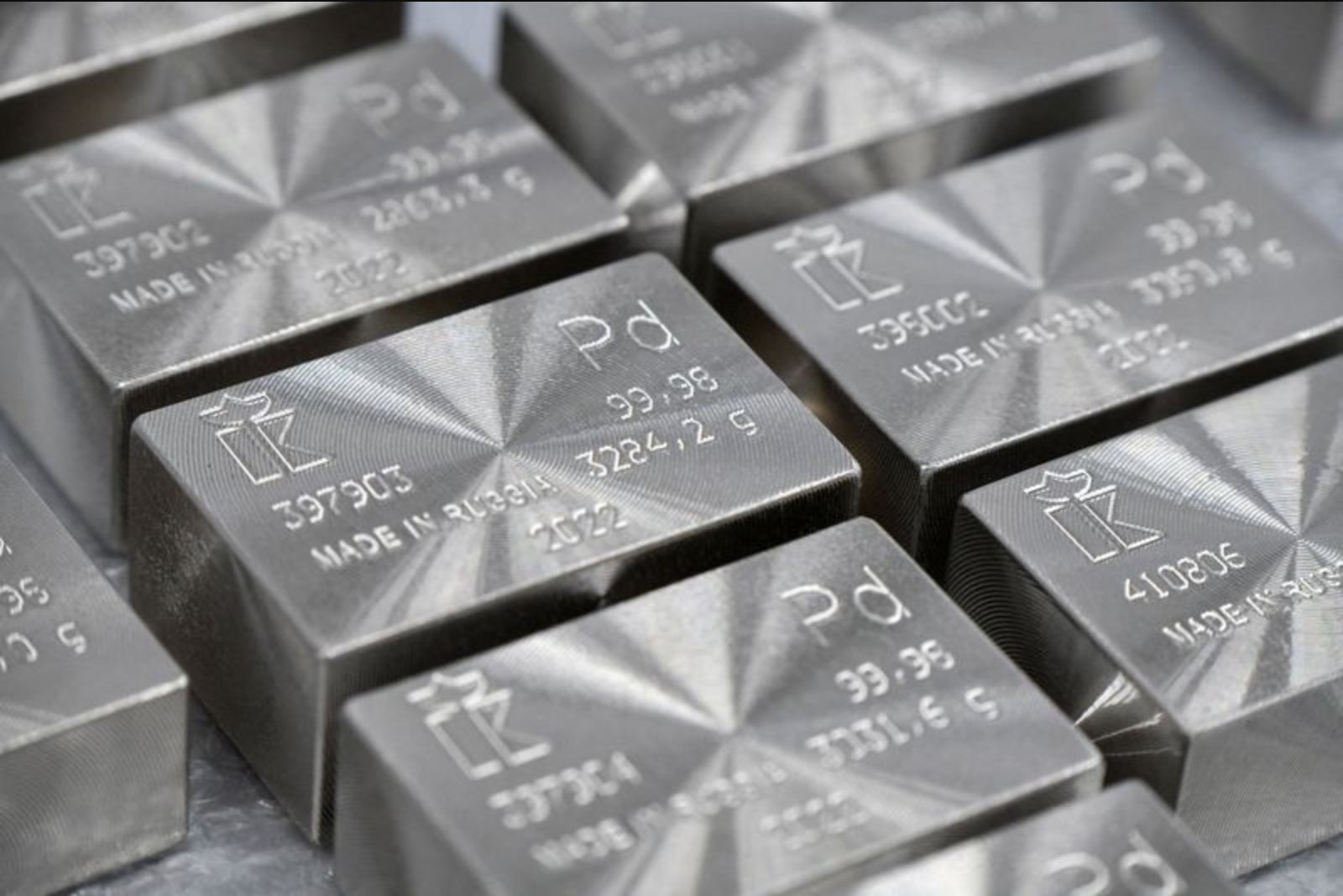
MOSCOW, May 21 - The United States has advanced toward imposing heavy duties on imports of Russian palladium after the Department of Commerce issued final determinations assigning a countervailing duty of 109.1% and, in April 2026, an anti-dumping duty of 132.83%.
Those duties will only take effect if the independent International Trade Commission (ITC) reaches a parallel conclusion that U.S. producers of palladium have suffered material injury. The Commerce rulings underpin a petition filed last summer by Johannesburg-based Sibanye-Stillwater together with the United Steelworkers union, which asked U.S. authorities to consider tariffs to support the long-term sustainability of domestic palladium supply.
Russia's Nornickel, which holds about a 40% share of the global palladium market and is the world's largest producer, declined to comment on the Commerce decisions on Thursday. In earlier commentary, the company said the U.S. anti-dumping probe has increased market volatility but did not anticipate it altering fundamental market conditions over the long term.
"As palladium and platinum markets remain largely balanced, and palladium is a critical metal for automotive catalyst manufacturing, we do not expect a long-term increase in prices, as the global market is well able to rapidly reallocate material flows," Nornickel said in a market review.
In the same review, Nornickel set out production expectations for palladium, forecasting an output decline to between 2.415 and 2.465 million ounces (75.1 to 76.7 tons) in 2026, down from 2.725 million ounces (84.8 tons) in 2025. The company noted that the 2026 level could represent the lowest annual production in two decades.
U.S. imports of Russian palladium have been rising in recent years, increasing to 27.6 tons in 2024 from 23.8 tons in 2023 and 20.4 tons in 2022, according to the figures cited in the Commerce proceedings. Palladium is principally used to reduce emissions in gasoline-powered vehicles and, to date, has not been subject to U.S. sanctions.
Spot palladium prices have retreated roughly 16% since the start of the year to about $1,370 per ounce, reflecting market reactions amid the investigations and broader supply-demand dynamics.
The Commerce determinations mark a significant procedural step toward the potential application of prohibitive duties, but implementation depends on the ITC's independent injury assessment. Stakeholders in mining, automotive manufacturing, and precious metals trading will be watching the ITC process closely for its implications on trade flows and pricing.