
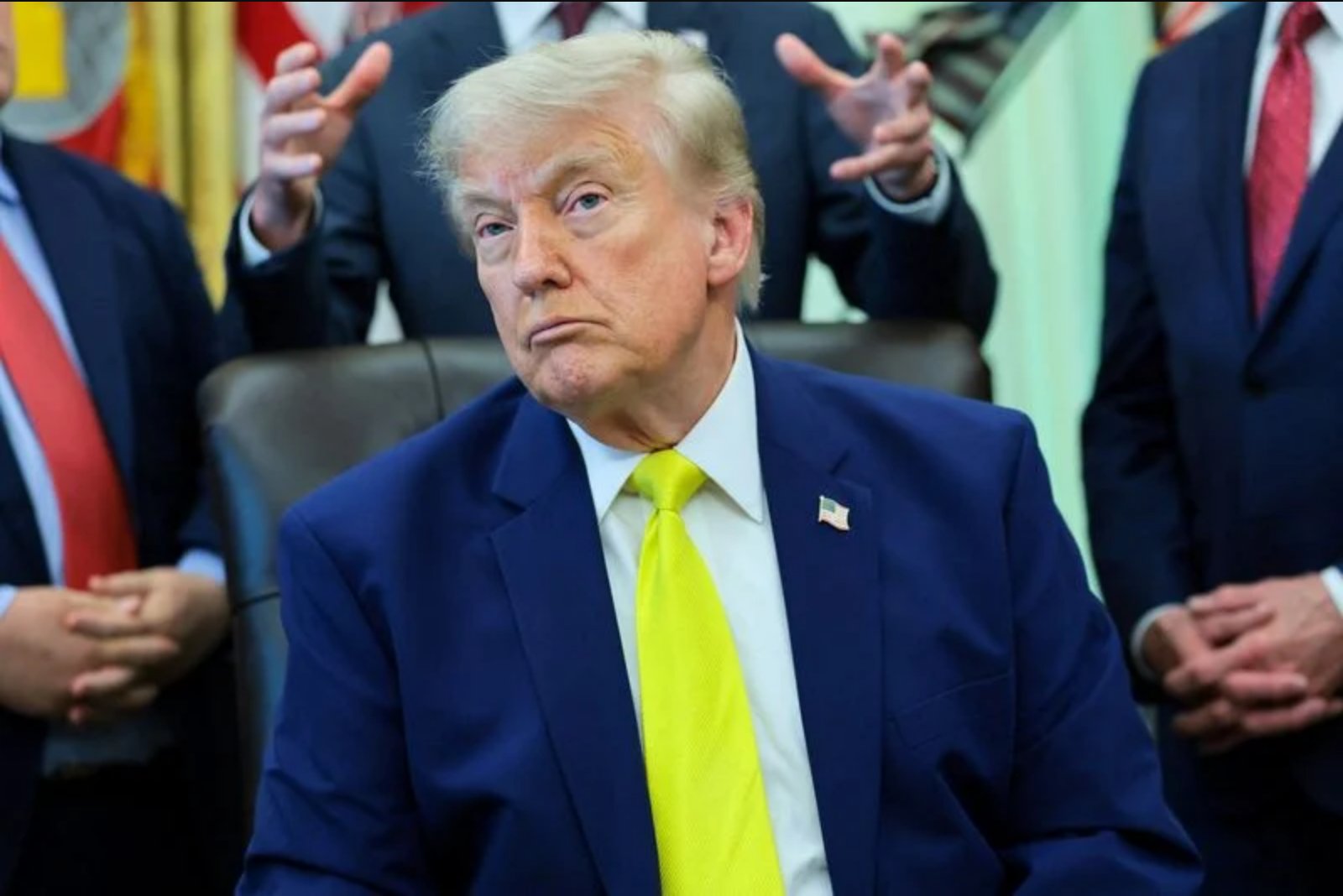
President Donald Trump convened senior figures from the automotive sector to discuss the ongoing right-to-repair dispute, saying the industry does not want others to be able to fix cars themselves. Attendees included GM Chief Executive Mary Barra, Ford Motor senior executive Andrew Frick, representatives from the National Automobile Dealers Association and the Alliance for Automotive Innovation, and Republican Senator Bernie Moreno, who is a former auto dealer.
Ford confirmed its participation in the meeting. The two trade groups present declined to comment on the session, and General Motors did not respond to a request for comment.
Speaking about the meeting, the president said, "We had the auto industry in yesterday. They don’t want people to fix their car. I said 'That’s strange!'" He added, "They have a thing; nobody’s allowed to fix their car."
The dispute over repair access has long pitted automakers against independent repair shops and other stakeholders. The U.S. auto service market is estimated to be worth roughly $200 billion each year, a sizable portion of after-sales commerce for vehicles.
Last week, a committee in the U.S. House of Representatives advanced legislation that would effectively enshrine into law previously negotiated memorandums of understanding between automakers and repair advocates. That proposal would also grant the Federal Trade Commission the authority to enforce those agreements.
The Alliance for Automotive Innovation, which represents nearly all major automakers, endorsed the measure and pointed out that 75% of post-warranty vehicle repair work occurs at independent repair shops. The alliance noted that in 2014 automakers had committed to making repair instructions, diagnostic codes and tools readily available to both dealers and independent repairers.
Despite those commitments, many lawmakers and operators of independent repair shops contend that current measures do not go far enough. They seek separate congressional legislation that would mandate broader access to the vehicle information owners and independent repairers need, including diagnostic data. Proposed statutory language would require manufacturers to provide owners and independent repair shops with access to vehicle data related to diagnostics, repair, calibration and recalibration.
Proponents of broader data access argue that when automakers restrict diagnostic and repair information, it can lead to higher repair prices and force independent shops to spend large sums to obtain repair software. Opponents stress other concerns. The auto dealers group has objected to the proposed legislation, saying it could enable aftermarket parts manufacturers to reverse engineer components and produce so-called "knockoffs." The dealers group also argues the changes might give insurance companies greater influence over repair decisions.
Market reactions referenced around the meeting included share movements noted for major automakers, with one report indicating a positive move for General Motors and a decline for Ford in the referenced trading snapshot.
Contextual note - The discussion reflects an ongoing policy and commercial dispute over who should control access to the technical data and tools required to fix modern vehicles. Stakeholders on both sides raise concerns about consumer costs, competitive dynamics in repair markets, and the implications for parts manufacturing and insurance practices.