
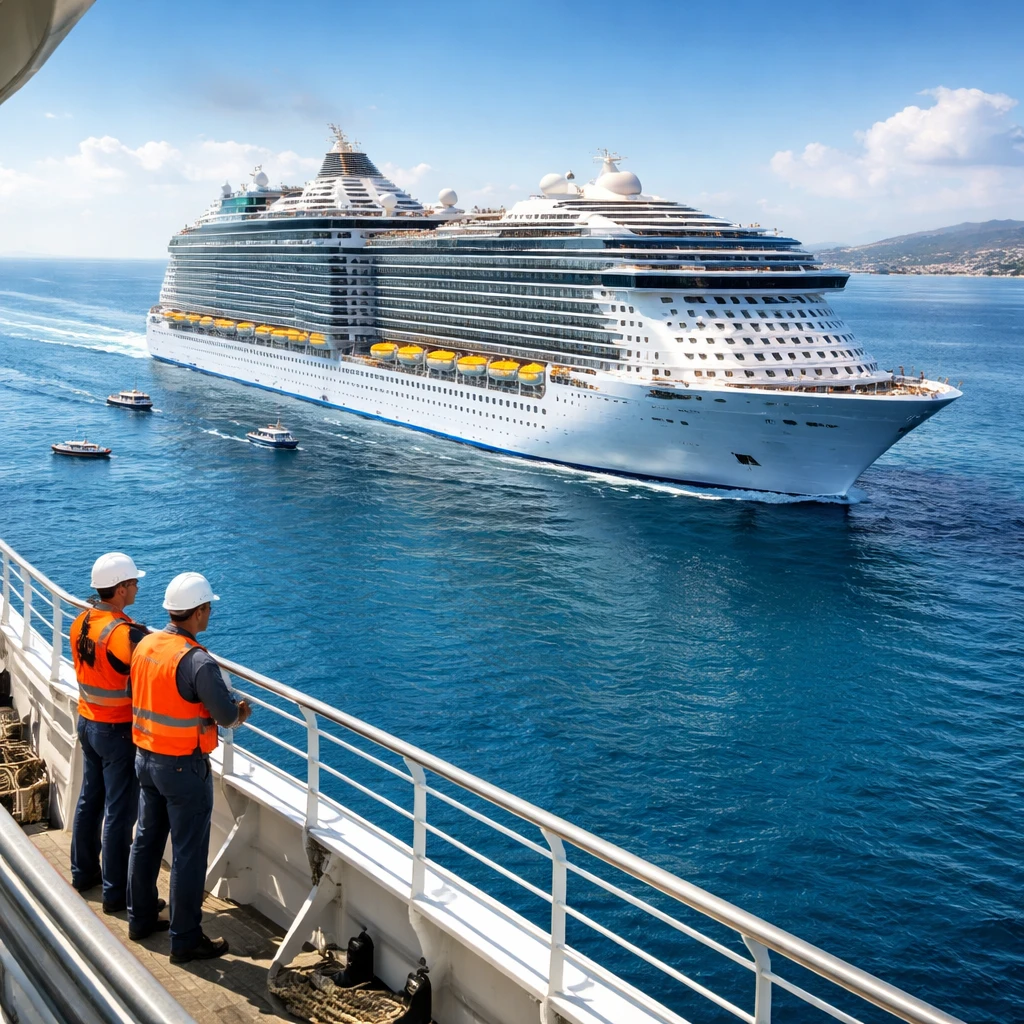
Royal Caribbean Cruises Ltd. shares rallied sharply during mid-day trading, rising +6.8% to $281.87 after the company published its Q1 2026 results and as benchmark oil prices declined about 7% on the session. The decline in oil - a significant operating input for the cruise industry - provided immediate cost relief for investors assessing margins and cash flow sensitivity.
For the quarter ended at the start of Q2, Royal Caribbean reported earnings per share of $3.60, beating the consensus analyst estimate of $3.20 by $0.40. Revenue increased 11.3% year-over-year, and the company recorded approximately $941 million in net income for the period. Management also highlighted peak demand metrics, citing a roughly 109% load factor and record booking levels, together with confirmed additional Icon-class ship orders scheduled through 2030.
Shareholder returns featured prominently in the company update. During the quarter, Royal Caribbean repurchased $836 million of common stock, up from $241 million in the comparable year-ago period. The company also declared a quarterly cash dividend of $1.50 per share, a sign of continued cash generation and allocation of capital toward investors.
Wall Street responded quickly to the results. Several major brokerages and research desks adjusted ratings and targets within days of the release: J.P. Morgan issued a Buy rating on May 4; Mizuho raised its price target to $380 from $377 on May 1; Goldman Sachs issued a Buy on May 1; and Stifel lifted its target to $410 from $400. The string of upgrades and target increases provided additional backing for the stock's move higher.
Peer results in the cruise sector also contributed to market momentum. Norwegian Cruise Line reported Q1 2026 earnings per share of $0.23, beating analyst consensus of $0.15, offering further evidence of demand resilience across the industry during the quarter.
That said, Royal Caribbean tempered its 2026 adjusted earnings outlook. The company reduced its 2026 adjusted EPS guidance to a range of $17.10 to $17.50 from its previous $17.70 to $18.10 range, citing anticipated fuel expenses of about $1.35 billion for the year. The company reported that roughly 59% of its remaining 2026 fuel needs are hedged, a disclosure that frames near-term earnings sensitivity to energy markets.
The broader market environment was constructive as well, helping sentiment toward cyclical consumer discretionary names. On the day, the S&P 500 advanced +1.11% and the NASDAQ climbed +1.59%, indicating improved investor risk appetite that supported gains in travel and leisure equities.
In summary, the interplay of a decisive quarterly earnings beat, strong demand indicators and aggressive capital returns - coupled with analyst endorsements and a pullback in fuel costs - outweighed investor concerns related to a narrowed 2026 EPS range and fuel expense exposure. Those factors combined to push Royal Caribbean shares notably higher and marked the company as one of the stronger performers in the consumer discretionary segment during the trading session.
Summary
Royal Caribbean's mid-day stock surge was driven by an earnings beat, robust bookings and cash returns to shareholders, supported by falling oil prices and analyst upgrades, even as the company trimmed its 2026 adjusted EPS outlook and disclosed significant fuel expense and hedging details.