
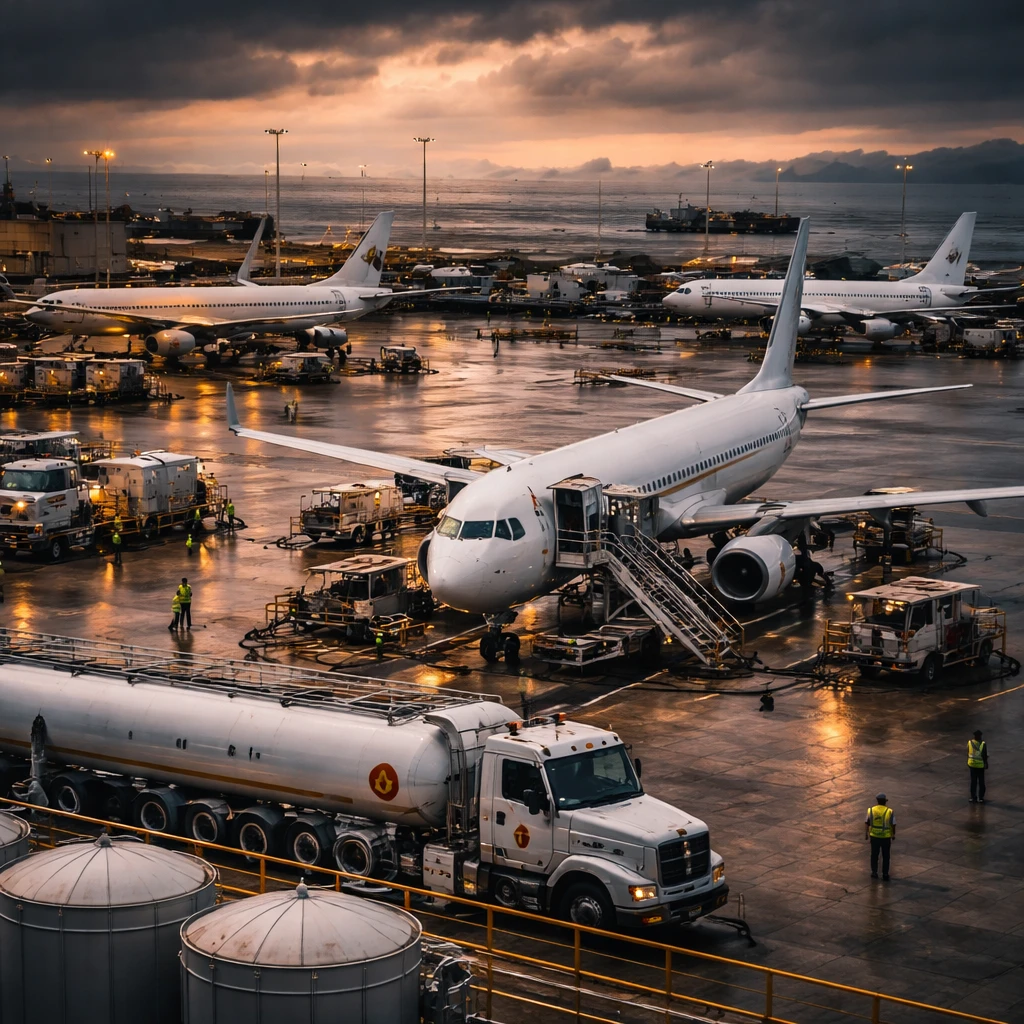
Major U.S. carriers recorded jet fuel expenditures of just over $5 billion in March, the U.S. Transportation Department reported, marking a 56% increase from February and a rise of $1.8 billion month-on-month.
The department's figures show the March price per gallon averaged $3.13 - up 74 cents and 31% higher than in February - while fuel consumption increased by 20% over the same period. The spike in both price and usage coincided with disruptions to traffic through the Strait of Hormuz after U.S.-Israeli strikes on Iran, a development the air travel industry has described as its most severe crisis since the COVID-19 pandemic.
Industry-wide, jet fuel prices have jumped from roughly $85-$90 per barrel to levels in the $150-$200 range amid the U.S.-Israeli war on Iran. Fuel typically represents up to a quarter of an airline's operating expenses, and the rapid escalation in crude-based fuel costs has forced carriers to move quickly to adjust fares, fees and capacity plans in an effort to protect margins.
Carrier responses
American Airlines Group (AAL) has taken a number of steps in response to the higher fuel bill, cutting its 2026 profit forecast and moving the lower end of its outlook to a loss. The carrier said it expects its jet fuel expense to rise by more than $4 billion this year. To offset some of the pressure, American has increased checked baggage fees by $10 for the first and second bags and by $150 for the third bag on domestic and short-haul international routes, and it has reduced certain economy passenger benefits.
Delta Air Lines Inc (DAL) announced a reduction in planned capacity - cutting roughly 3.5 percentage points from its original target for the quarter - and implemented fee increases on checked baggage. Delta's fee adjustments include a $10 increase for the first and second checked bags and a $50 increase for the third checked bag as part of efforts to mitigate soaring fuel costs.
JetBlue pulled all planned capacity growth for the current quarter and now expects profit below Wall Street expectations, according to disclosures by the carrier.
Across the Atlantic, Deutsche Lufthansa AG (LHAG) has said it anticipates a hit to its results from elevated jet fuel prices amounting to 1.7 billion euros in 2026. Its subsidiary ITA Airways plans to raise ticket prices by 5% to 10% in 2026 to help offset rising fuel expenses. In April, the Lufthansa group introduced a new "Economy Basic" low-cost fare for short- and medium-haul flights that restricts free carry-on allowances to a laptop bag or a small backpack.
Broader implications
The combined effect of sharply higher per-gallon fuel costs, elevated consumption and route disruptions has prompted carriers to transfer costs to passengers via higher fares and fees, to shrink capacity where demand and economics permit, and to revise financial forecasts. These measures underscore the sensitivity of airline financials to rapid swings in fuel prices and to disruptions in key maritime and air corridors that alter routing and operating costs.
While airlines seek to pass on costs and adjust operations, the near-term picture remains one of acute margin pressure driven by energy costs and constrained route availability tied to geopolitical events.