
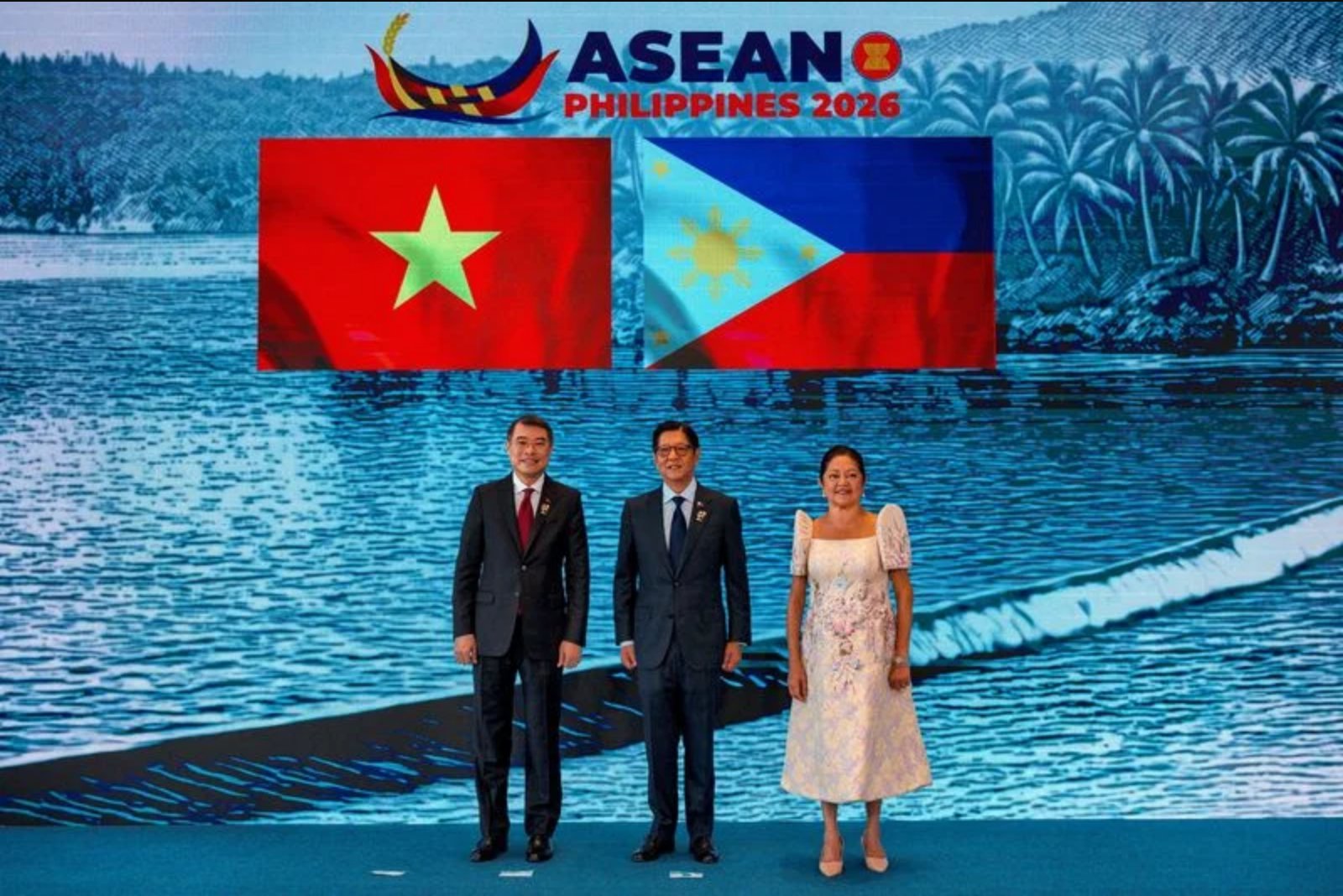
MANILA, June 1 - The Philippines and Vietnam said on Monday they were upgrading their bilateral relationship to an enhanced strategic partnership, reaffirming a shared stance that peace and stability in the South China Sea are "non-negotiable," Philippine President Ferdinand Marcos Jr said during a state visit by Vietnam’s top leader To Lam.
Marcos emphasized that the two nations have a clear, mutual interest in preserving regional peace, stability and a rules-based order. He said the strengthened partnership arrives at a moment when the region must navigate an "evolving and uncertain global environment."
According to Marcos, the deeper ties will be defined by three main elements: "wider pathways for cooperation, stronger political and defence cooperation, and closer linkages between the Filipino and Vietnamese people."
Vietnam is identified as the Philippines’ sole strategic partner within the Association of Southeast Asian Nations, a status established a decade ago when the countries upgraded their ties in a joint demonstration of unity against China.
Marcos said Manila and Hanoi reaffirmed that maintaining peace, stability, and the freedom of navigation and overflight in the South China Sea "remains non-negotiable." He added that both nations "remain resolute in their commitment to the peaceful resolution of disputes," grounding that commitment in international law, specifically citing the 1982 United Nations Convention on the Law of the Sea and the 2016 South China Sea arbitral award.
Vietnamese leader To Lam characterized the Philippines as an "important regional partner of Vietnam," noting alignment in vision and strategic interests and a shared commitment to peace and stability. "We always want to bring the strategic partnership with the Philippines to a new high," he said.
To Lam and Marcos agreed to enhance coordination mechanisms to "effectively respond" to both regional and global challenges, the leaders said after their talks.
During the visit, the two governments signed multiple cooperation agreements covering defence, information and technology, tourism and education. In the aftermath of the meeting, To Lam stated that the countries would step up security and defence cooperation, increase economic ties and cooperate on ensuring food security.
The statement noted that Vietnam is the Philippines' largest rice supplier. The two countries' coast guards also conducted their first joint exercises in 2024, despite the fact that overlapping claims persist over some features in the South China Sea.
Key factual takeaways from the visit include the formal upgrade to an enhanced strategic partnership, reiteration of a rules-based approach to maritime disputes, and signed agreements spanning defence, technology, tourism and education. The leaders emphasized closer coordination to address shared challenges while noting existing maritime claim overlaps remain unresolved.