
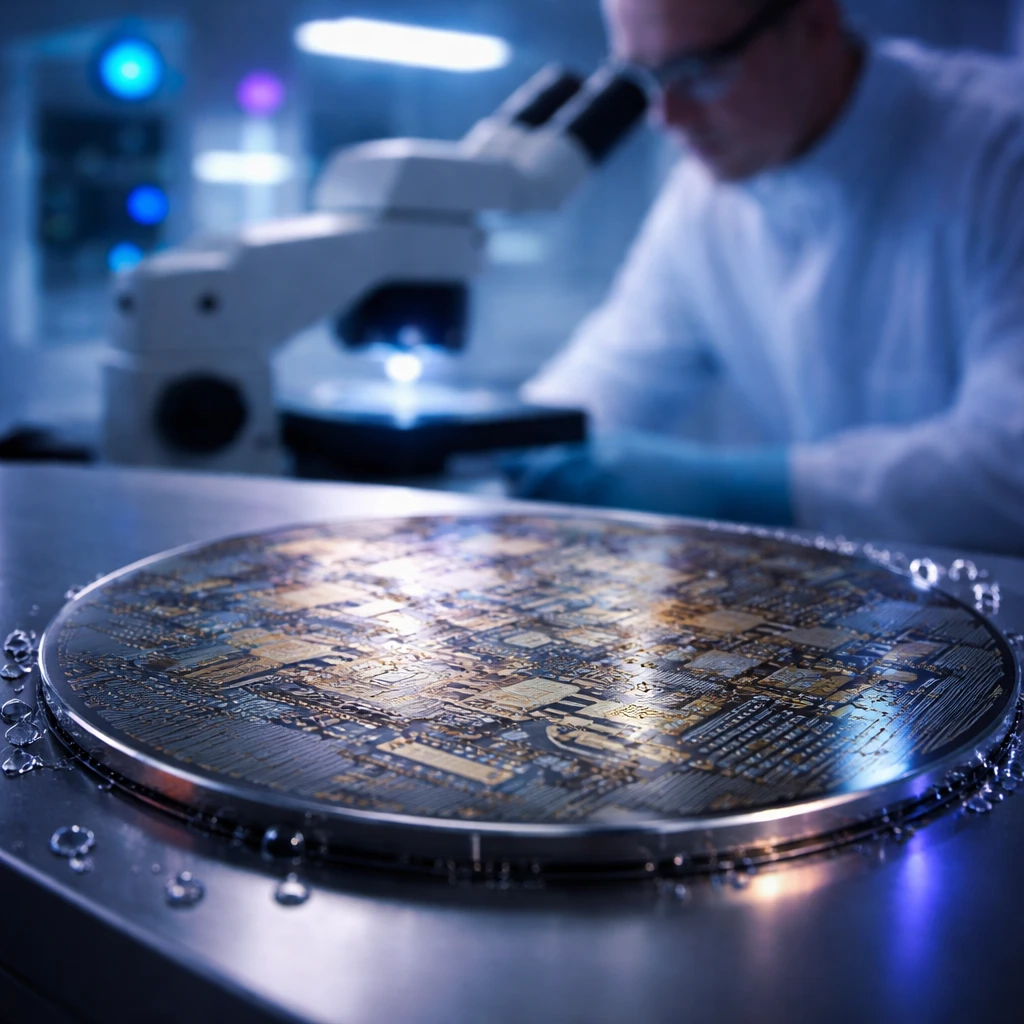
Microsoft Corp said Tuesday it has developed a new quantum computing chip, Majorana 2, aided by artificial intelligence tools aimed at materials science, and set a 2029 goal for producing commercially viable quantum machines.
The company described Majorana 2 as departing from the aluminum superconducting-wire approach used by other large players in the field - including Google and IBM - instead relying on lead-based materials. Microsoft said it selected lead because the atom’s larger size offered advantages identified using AI-driven materials selection techniques.
In remarks about the technical gains, Jason Zander, an executive vice president who oversees Microsoft’s quantum division, said the team achieved a 1,000-fold improvement in certain performance measures compared with the company’s prior chip iteration. Zander highlighted a central manufacturing hurdle: lead is water-soluble, creating a risk that it could dissolve during chip fabrication. "The reason why people don't use it to build chips is it requires an incredibly specialized process to be able to go figure that out. And we figured it out," he said.
Microsoft did not previously provide a target year for commercial deployment of quantum machines, previously advising only that deployment would take years rather than decades. The new 2029 target aligns Microsoft with rival International Business Machines Corp, which in May outlined plans to invest $10 billion in quantum computing and has formed a separate company to manufacture quantum chips for external customers, an effort that the company said has backing from President Donald Trump's administration.
Microsoft’s broader quantum strategy centers on quasiparticles known as Majoranas. The company’s assertion that it has observed these particles has been contentious. Critics say Microsoft has not released enough public data to allow independent verification of its findings. The controversy predates the latest announcement: Science magazine said in 2025 it was investigating data from a 2020 Microsoft study, and critics maintain that data and protocol issues from earlier papers continue to be concerns in the company’s recent release.
Microsoft executives cited trade-secret concerns as the reason for not sharing full datasets publicly but said they have provided extensive confidential material to the U.S. Defense Advanced Research Projects Agency, which evaluates different types of quantum systems. Zander framed the company’s position on the underlying physics and engineering investment succinctly: "We've done enough of the physics to really have great data," he said. "Believe me, I would not spend the money on the engineering if I felt like we were still off on the physics."
The announcement positions Microsoft among a group of competitors that includes IBM, Alphabet Inc, Amazon.com Inc and various Chinese government- and industry-led initiatives that are pursuing quantum systems aimed at solving hard problems in medicine, chemistry and cybersecurity.
Summary of implications
- Microsoft is betting on a lead-based materials approach identified through AI to push quantum performance forward and target commercial machines by 2029.
- The company reports large performance gains but faces ongoing scrutiny over data transparency and reproducibility around its Majorana claims.
- Rival investments, such as IBM's $10 billion quantum commitment, underscore an intensifying industry competition that spans private firms and government programs.