
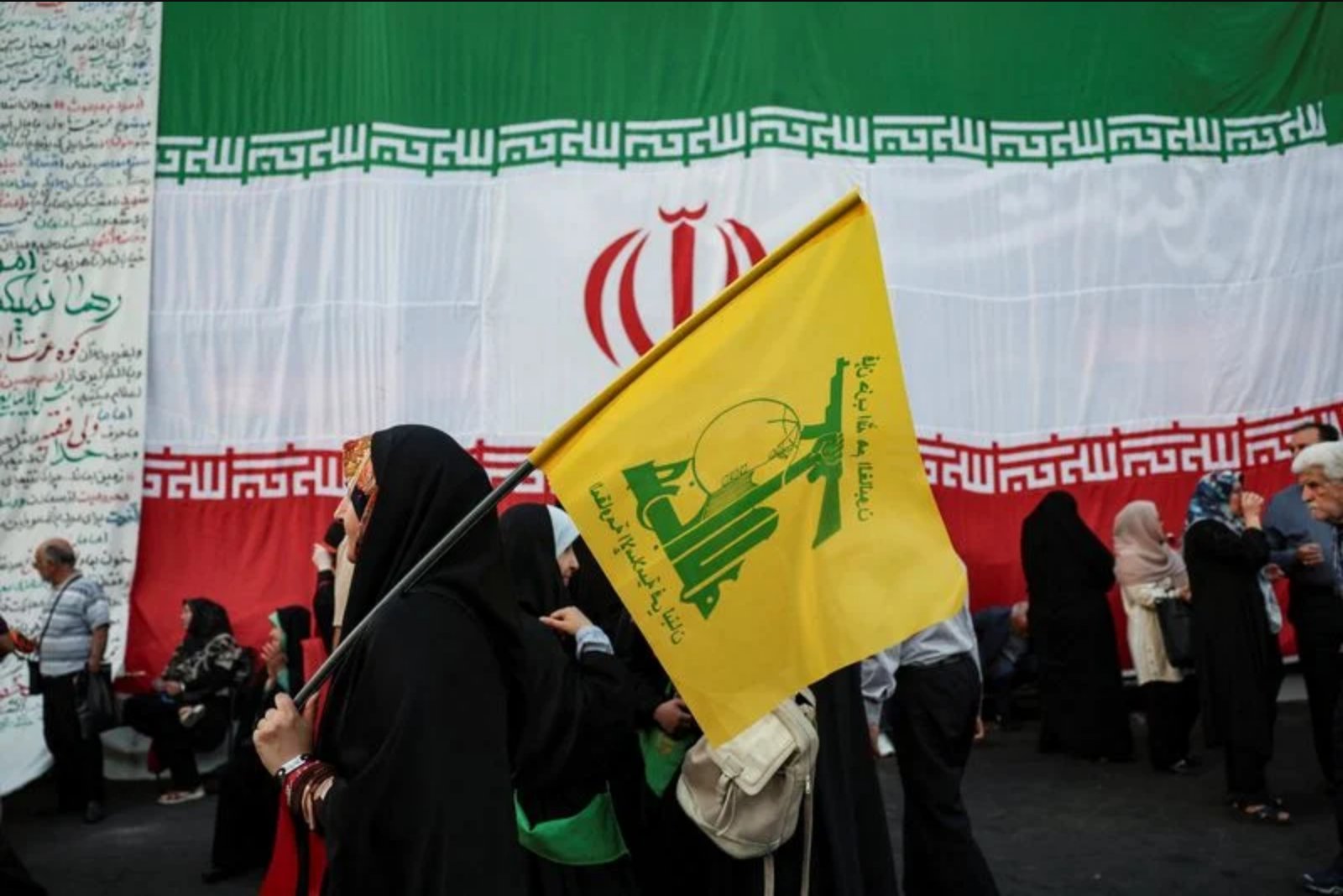
Iran has restated its commitment to its Lebanese ally Hezbollah and demanded that Israel pull its forces back from southern Lebanon, making a cessation of hostilities there a central condition for any temporary settlement with Washington. The declaration underlines the challenges confronting efforts to negotiate an interim end to a wider regional conflict and to reopen shipping lanes through the Strait of Hormuz.
The latest cycle of clashes between Hezbollah and Israel began in early March, two days after the United States and Israel carried out strikes against Iran. Hezbollah has said its actions were in support of Tehran. Iran now says that a ceasefire covering Lebanon must be part of any broader peace arrangement with the United States that would halt the current campaign of hostilities, now in its fourth month, and allow trade to resume more normally through one of the world's busiest maritime passages.
"This war will end only when it ends in Lebanon as well," Iranian Foreign Minister Abbas Araqchi told Lebanese television station Al Mayadeen. He added that the termination of hostilities in Lebanon must go hand in hand with the withdrawal of Israeli forces from the territories they have occupied.
Those remarks followed statements from Hezbollah's deputy leader Naim Qassem, who rejected a U.S.-facilitated agreement between Israel and the Lebanese government intended to halt fighting inside Lebanon. That pact, Qassem said, did not include provisions for an Israeli withdrawal and was negotiated without Hezbollah's participation.
Israel has continued strikes in southern Lebanon and has declared it will not withdraw or cease operations in the area. Iran, for its part, has made clear through senior officials that it regards Hezbollah as a key ally whose battlefield sacrifices warrant Tehran's support.
Mohsen Rezaei, an adviser to Iran's supreme leader, said Hezbollah had "made great sacrifices in the recent war and it is our ally. Therefore, we support Hezbollah and remain firmly committed to our obligations toward it." In comments reported by the semi-official Mehr news agency, Rezaei warned Israel against carrying out threats to resume strikes on Beirut. "Today we again warn this sinister regime to leave Lebanon. They should know that Lebanon will be an inseparable part of any agreement and any ceasefire," he added.
In Washington, President Donald Trump told reporters he believed progress was being made in Lebanon and that the country deserved peace, adding, "It's been going on for a long time, you know." He also described temporary pauses arranged by the United States as involving "shooting in a more moderate manner," rather than a complete cessation of fire.
Despite such brokered pauses, fighting and attacks have flared across the region in recent days. Residents of Gaza, northern Israel and Kuwait have experienced hostilities this week. In one of the most intense exchanges since a ceasefire in early April, Iranian and U.S. forces traded attacks in the Gulf on Wednesday, according to reporting. Separately, an alleged drone attack prompted a temporary suspension of oil loading at the Mina al Fahal terminal in Oman following an explosion on Friday, according to two people familiar with the incident, before operations returned to normal.
The United States and Iran have been engaged in mostly indirect negotiations aimed at securing an interim agreement to pause the war. Such a deal would, by official description, leave thornier questions - including Iran's nuclear program - to later talks. Tehran's demands as part of any arrangement have included access to billions of dollars in oil revenue, exemptions on sanctions affecting crude exports, a lifting of a U.S. blockade on its ports and enhanced leverage over traffic through the Strait of Hormuz.
The conflict, which intensified after the United States and Israel launched strikes against Iran on February 28, has prompted Iran to fire missiles and drones at Gulf states that host U.S. bases and to sharply curtail shipments through the Hormuz waterway. Trade via the strait is operating at a fraction of prior levels; previously the route had carried roughly one-fifth of global oil and liquefied natural gas supplies. Those disruptions have pushed oil prices higher and unsettled supply chains for a range of goods.
The U.N. World Food Programme said it is being forced to push millions of people closer to hunger as fuel and transport costs rise, reflecting the humanitarian consequences of broader economic dislocations tied to the conflict.
On the nuclear question, President Trump reiterated that Washington's chief priority is to prevent Iran from obtaining nuclear weapons and said the United States did not require a deal to extract enriched uranium from Iran. "I don't think they could stop us if we wanted, but there's no reason to," he said in the Oval Office. "It's entombed." Iran maintains that its atomic program is peaceful. Iranian parliament deputy speaker Hamid-Reza Haji Babaei stated on Friday that uranium enrichment is Iran's right and suggested that the country's "most powerful atomic bomb" is the strategic value of the Strait of Hormuz.
With Iran making a Lebanese ceasefire and Israeli withdrawal a precondition for any interim arrangement, negotiators face acute political and military obstacles. Any pause that does not address Lebanon to Tehran's satisfaction risks being rejected by Hezbollah, which was not a participant in the Israel-Lebanon pact that some officials have sought to promote as a de-escalatory step. Meanwhile, continued strikes and exchanges at sea and on multiple fronts mean the humanitarian and economic fallout is likely to persist until and unless a more comprehensive settlement is achieved.