
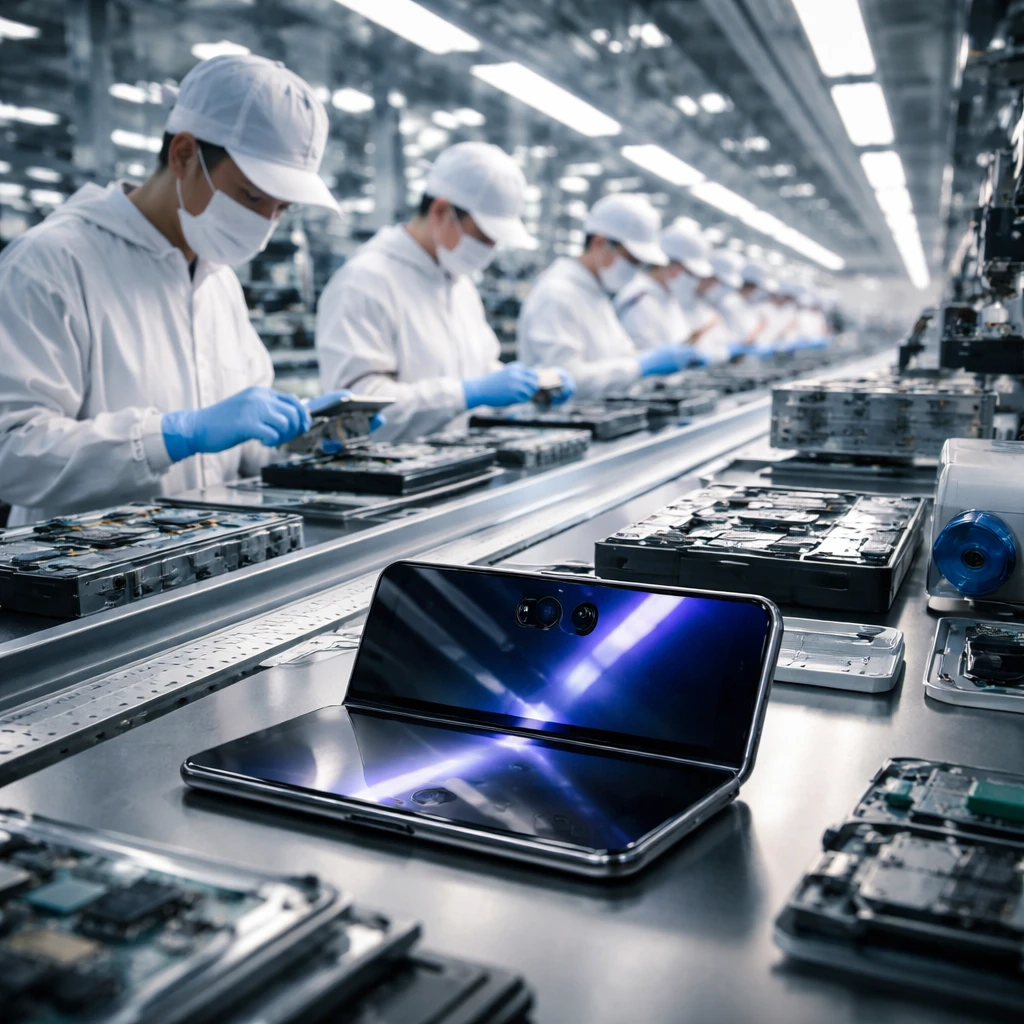
Apple is preparing a notably larger iPhone release cadence that will stretch through early 2027, and has raised its initial production ambitions for a foldable iPhone as it seeks to reinforce its premium smartphone standing despite ongoing supply-chain constraints.
Under the plan, the company will introduce at least five distinct new iPhone models across the second half of 2026 and the first half of 2027. This schedule represents one of the more aggressive product cycles Apple has planned in recent years and signals a concerted push to broaden its handset portfolio over the coming 12 to 18 months.
Alongside the expanded model slate, Apple has asked its suppliers to prepare to manufacture around 10 million units of a foldable iPhone this year, an increase from an earlier internal forecast that ranged between 7 million and 8 million units. The higher target reflects the company s efforts to ramp production for a device category where competitors have established footholds.
Smartphone makers are accelerating the introduction of foldable devices, a segment currently led by rival manufacturers including a major South Korean supplier and several Chinese firms. Apple s move into foldables is positioned against these existing offerings as it attempts to capture share in the premium end of the market.
At the same time, the company has already increased prices on certain Mac and iPad configurations, attributing those adjustments to higher costs for memory and storage chips. Apple executives have cautioned that if component prices remain elevated on a sustained basis, such cost pressures could eventually influence iPhone pricing as well.
The combination of a widened product roadmap, a raised foldable-production target, and rising component costs frames Apple s near-term strategy as one balancing expanded market ambitions with manufacturing and supply-cost challenges.
Context note: The information reported here reflects the company's plans and supplier requests as stated; details on final model specifications, retail pricing, or exact launch dates were not provided.