
SYDNEY, July 2 - The Australian government unveiled a suite of changes on Thursday targeting persistent cost overruns and protracted delays in defence procurement. Officials said the reforms will create a specialist agency to supervise the delivery of defence projects, change the methodology used to estimate project costs, and streamline decision-making by reducing layers of bureaucracy.
The move comes as Australia accelerates a broad expansion of its military capabilities. Major undertakings referenced by the government include commitments under the AUKUS nuclear submarine pact, a continuous naval shipbuilding programme, and investments aimed at developing domestic missile and drone industries.
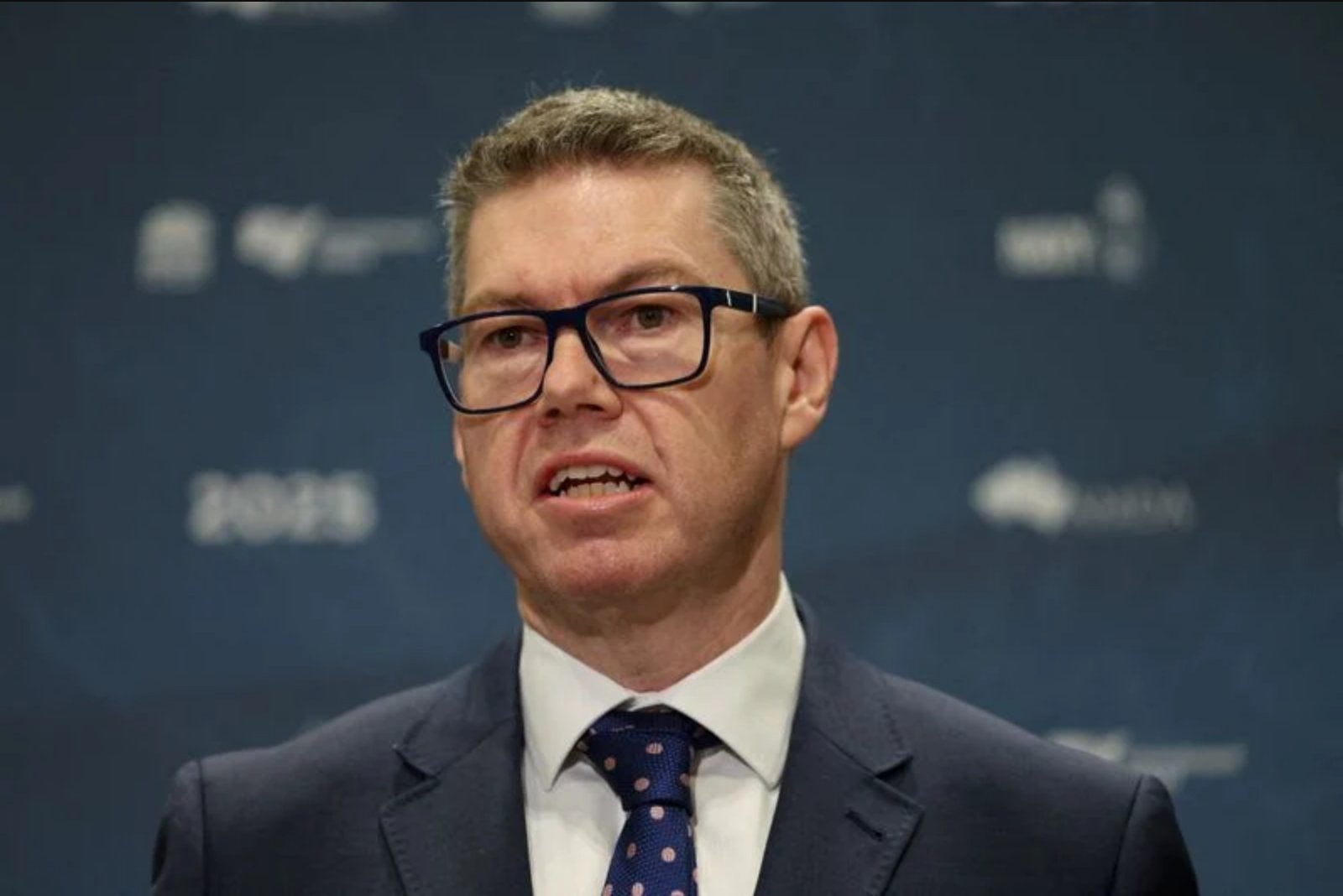
Pat Conroy, minister for defence industry, said in a statement that the department had long struggled to deliver major capability projects on time and within budget. "For too long, Defence has struggled to deliver major capability projects on time and on budget," he said.
Unveiling the package in a speech in Canberra, Conroy described the department’s systems as "broken" and said they were "designed for a very different world." He added: "Through these reforms, we’re making sure that when Defence is developing capability projects that we’re setting them up for success."
An internal review cited by Conroy found that the average cost of defence projects rose by 38 percent, equal to A$29 billion ($19.97 billion), between project conception and the point of government decision. He also said: "The way Defence was operating had become outdated and compromised for at least the last decade."
The policy package is being rolled out as Canberra prepares to increase defence spending. In April the government announced it would lift defence expenditure to 3 percent of gross domestic product by 2033 from around 2 percent at present.
Contextually, the reforms aim to affect how large and complex capability programmes are planned and executed, with the new delivery agency intended to provide central oversight and reduce fragmented decision processes. Changing cost-assessment practices is designed to provide more realistic budgets at the point projects reach government for approval.
Officials framed the measures as necessary to adapt procurement and delivery frameworks to the scale and pace of the current defence build-up. Details on the exact structure of the agency and the timetable for implementation were not provided in the announcement.