
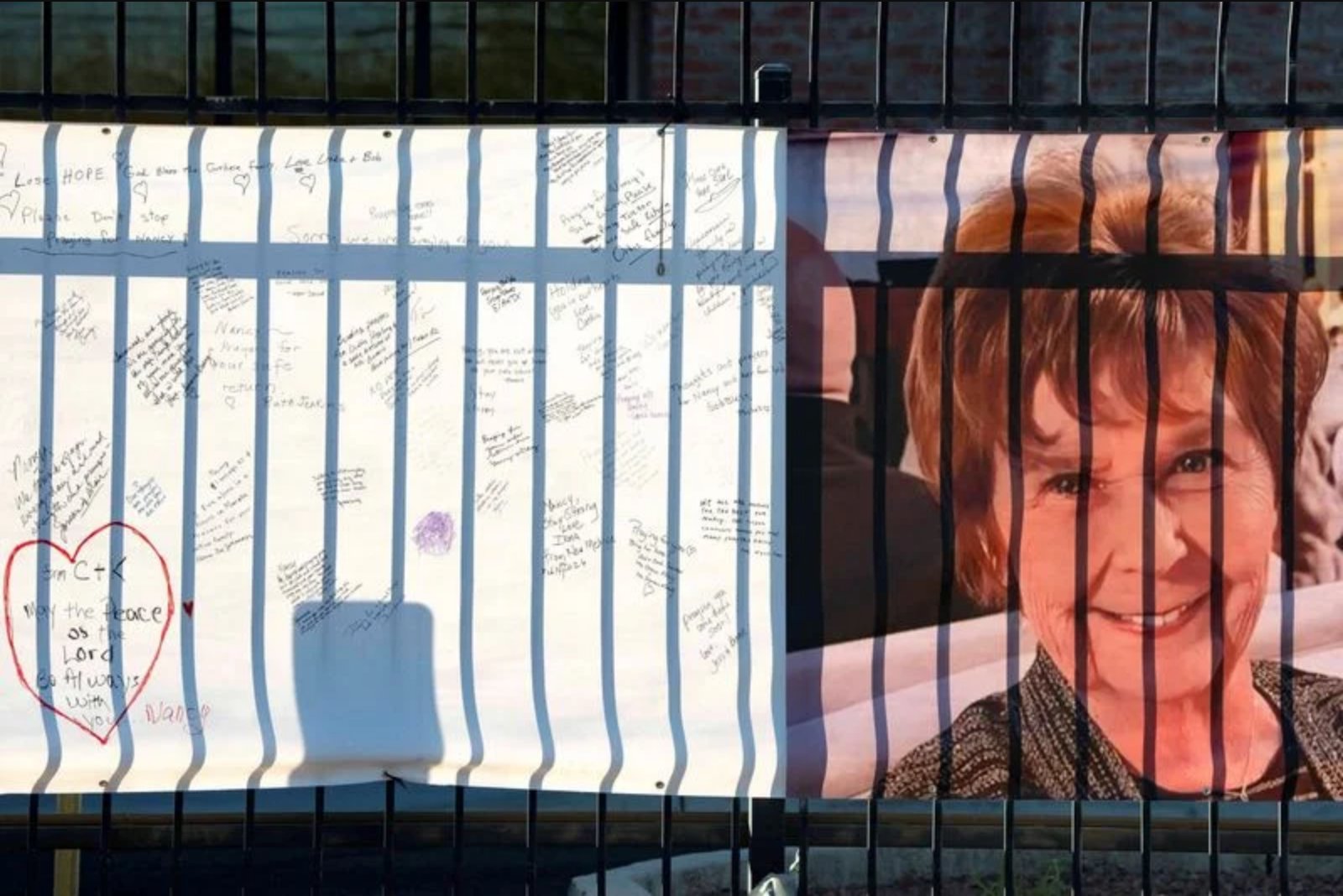
Overview
The federal investigation into the disappearance of Nancy Guthrie remains focused on a potential kidnap-for-ransom scenario, officials said, despite determining that a number of purported ransom communications were not credible. The Phoenix FBI office reported receiving multiple notes since the 84-year-old vanished from her Tucson residence, and has judged several of them to be extortion attempts without legitimacy. At the same time, investigators said other ransom demands may yet prove legitimate and are being treated accordingly.
Case status and official statements
An FBI official, speaking on condition of anonymity, said investigators have discounted three widely reported kidnapping-related messages as not credible. The Phoenix FBI office issued a public statement on the social platform X, saying an unspecified number of notes had been received during the months since Nancy Guthrie was last seen and that some were assessed as lacking legitimacy. The statement reiterated that the matter continues to be handled as a kidnapping for ransom investigation.
Circumstances of the disappearance
Nancy Guthrie, who is described as being in frail health and having limited mobility, was last seen alive at her Tucson home on January 31. A friend contacted family members the next day after Guthrie did not attend church as expected. When relatives entered her house, they found she was missing. Investigators reported that essential items were left behind, including her wallet, cellphone, hearing aid and medication. Blood discovered on the front porch was subsequently matched to Guthrie through DNA testing.
Ransom-related communications
The FBI has publicly acknowledged three kidnapping-related notes that attracted wide attention early in the inquiry. The first, which set two deadlines for payment in Bitcoin, was received by a Tucson television station on February 2, two days after Guthrie was reported missing. Court records and authorities indicated the note was being taken seriously while its authenticity remained under review.
A second message, reported later, reportedly declared that Guthrie had died, without offering an apology or demanding payment for the return of a body. A third note, reported by a celebrity news outlet, purported to contain the identities of the abductors and alleged to include video of a principal suspect and of Guthrie on the day she died.
An FBI official said investigators determined the first two ransom notes originated from the same sender but assessed them as not credible. The third note reported by the celebrity news outlet was likewise judged not credible by investigators.
Arrest and legal action linked to an imposter demand
At a Feb. 5 news conference, the head of the Phoenix field office, Heith Janke, disclosed that someone had been taken into custody in connection with an imposter ransom demand sent to family members. Court records from that period show that Derrick Callella was charged with two counts of harassment by telecom devices in connection with a fake ransom demand transmitted by text message to Savannah Guthrie’s sister and brother-in-law on Feb. 4.
Court documents indicate Callella later pleaded not guilty. A change-of-plea hearing in his case was scheduled for Thursday in federal court in Tucson, according to the same records.
Investigative posture and remaining questions
Federal investigators emphasize that although several messages have been deemed extortion attempts, other ransom demands remain under investigation and could be legitimate. The FBI's public position is that the disappearance continues to be probed as a kidnapping for ransom case, and agents are pursuing leads tied both to implausible communications and to those that warrant further scrutiny.
Officials have not announced additional public details regarding ongoing lines of inquiry beyond the assessments of particular notes and the prosecution of the imposter-demand case now in federal court.
Key points
- Federal investigators continue to treat Nancy Guthrie’s disappearance as a kidnap-for-ransom case, even after finding some ransom-related communications to be extortion attempts - sectors affected: law enforcement, legal system.
- Multiple notes have been received and evaluated; investigators judged at least three widely reported messages to be not credible, while other demands remain under active investigation - sectors affected: media outlets that received notes, communications monitoring.
- A suspect, Derrick Callella, has been charged with harassment by telecom devices over a fake ransom text; a change-of-plea hearing in federal court is scheduled - sectors affected: justice system, telecommunications.
Risks and uncertainties
- Credibility of ransom communications - Investigators have found several notes to be extortion efforts, but they say other messages may still be legitimate. This uncertainty affects investigative priorities and the legal pursuit of potential suspects - sectors affected: law enforcement, legal.
- Identity and whereabouts of any alleged abductors - The article indicates the case continues to be treated as a kidnapping for ransom, but it does not disclose whether suspects linked to a legitimate ransom demand have been identified - sectors affected: public safety, elder care.
- Outcome of the federal case against the individual charged with an imposter demand - Derrick Callella has pleaded not guilty and a change-of-plea hearing is set, leaving open the resolution and potential implications for how imposter communications are prosecuted - sectors affected: judiciary, telecommunications.
Conclusion
Authorities maintain an active posture in the probe into Nancy Guthrie’s disappearance, balancing the need to dismiss extortion attempts while continuing to examine other communications and leads as possible ransom demands. Key details about any confirmed perpetrators or the full scope of the investigation have not been released publicly.