
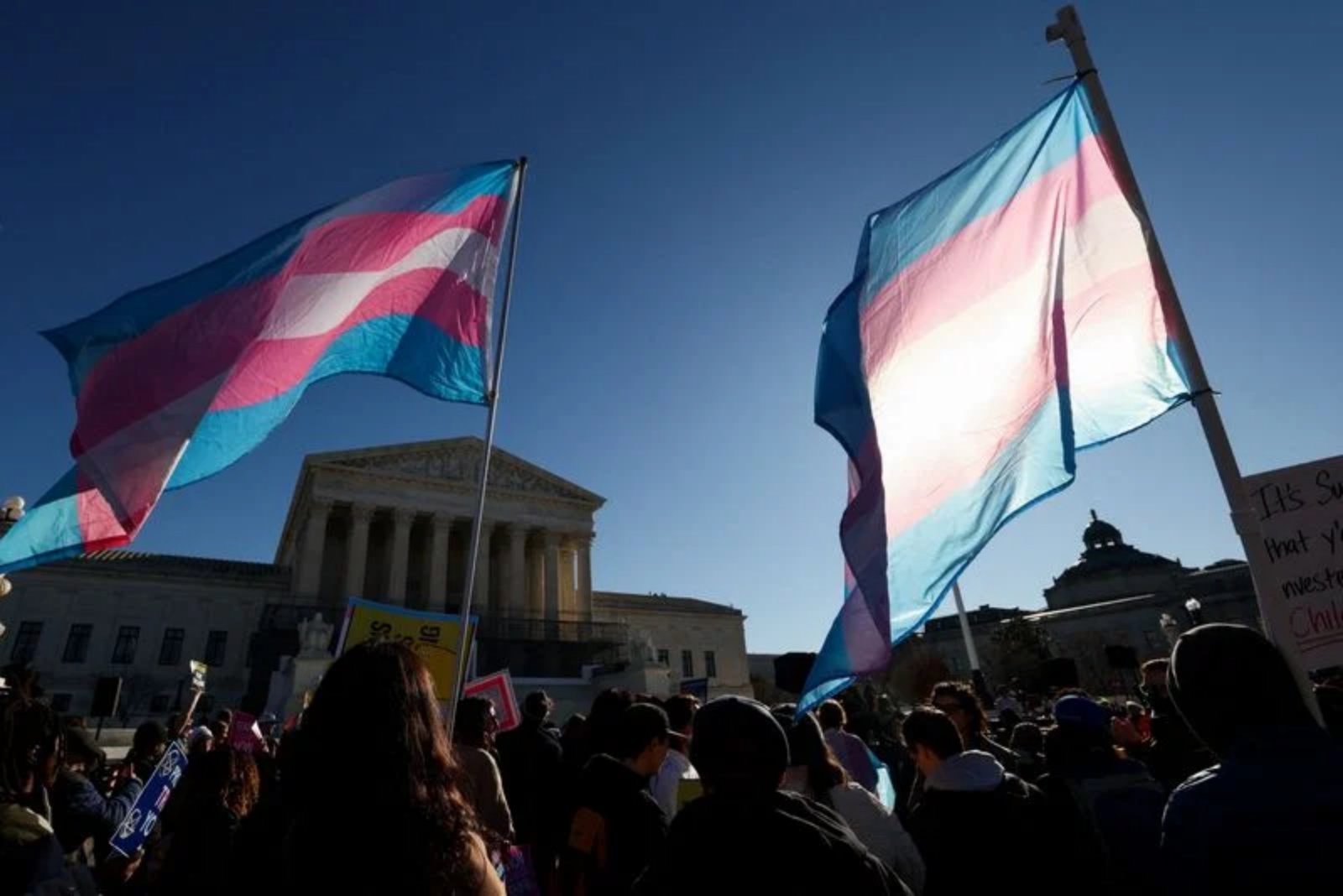
The U.S. Supreme Court is poised to rule on Tuesday on the legality of laws in Idaho and West Virginia that prevent transgender students from joining female sports teams at public schools and universities. Lower courts had sided with the transgender students who sued, finding the statutes inconsistent with constitutional protections and federal civil rights law.
The rulings will come on the last scheduled decision day of the Court's present term, which began in October. At issue are state statutes that assign school sports teams on the basis of "biological sex" and explicitly bar "students of the male sex" from participating on female teams at public educational institutions, including universities. The measures in Idaho and West Virginia are part of a larger wave of legislation: 25 other states have adopted similar laws.
State officials in Idaho and West Virginia argue their measures aim to preserve fair and safe competition for women and girls. Opponents counter that the laws are a wider attack on the rights of transgender Americans. The students who brought the legal challenges contend the statutes discriminate either because of a person's sex or because of their status as transgender, in violation of the equal protection guarantee of the 14th Amendment and the Title IX statute that prohibits discrimination in education "on the basis of sex."
The outcome will arrive against the backdrop of a conservative-leaning Supreme Court. The Court, which now has a 6-3 conservative majority, has in recent years issued rulings that have both curtailed and protected different aspects of transgender rights. For example, the Court in 2020 ruled that transgender people are protected from workplace discrimination under Title VII, a federal law that uses language similar to Title IX.
But the Court has also permitted a number of restrictions. Among prior decisions allowed by the justices were a measure by the Trump administration to bar transgender people from serving in the military and policies that prevented passport applicants from selecting a sex on the document that reflects their gender identity. In a separate high-profile set of decisions, the Court last year in a Tennessee case allowed states to prohibit medical treatments such as puberty blockers and hormone therapies for people under age 18 who are diagnosed with gender dysphoria. The term gender dysphoria refers to the clinical diagnosis describing significant distress that can arise from an incongruence between a person's gender identity and the sex assigned at birth.
Republican President Donald Trump's administration has supported the states in the litigation and has generally pursued policies tightening restrictions on transgender rights. Since returning to office in January 2025, President Trump has issued multiple executive orders limiting the rights of transgender people, including directives related to participation in sports. He has publicly characterized transgender gender identity as a falsehood.
The legal challenges in the two states were filed by students directly affected by the statutes. In West Virginia, the suit was brought by high school athlete Becky Pepper-Jackson, represented jointly with her mother, Heather Jackson. Pepper-Jackson competes in the shot put and discus and attends high school in Bridgeport, West Virginia. The Idaho challenge was brought by Lindsay Hecox, a transgender student who previously took part in soccer and running clubs at Boise State University, which is a public institution.
Hecox later stopped participating in sports and asked the court to dismiss the case in part because of concerns about harassment and a rising climate of intolerance toward transgender people. Her attorneys argued that Hecox's withdrawal from competition made aspects of the suit moot.
The Supreme Court heard oral arguments in January. During those hearings, conservative justices expressed reservations about ordering a single, uniform rule for the entire country. They noted disagreement and scientific uncertainty about whether treatments such as puberty blockers or gender-affirming hormones remove physiological advantages that may be associated with male sex in athletic competition.
Contextual note: This decision will resolve whether the challenged state statutes remain enforceable and whether similar laws in other states are constitutionally permissible, as the Court's ruling will set precedent affecting legislation in multiple jurisdictions.