
Wolfe Research strategists led by Tobin Marcus and Chutong Zhu describe the current U.S.-Iran confrontation as a "no war, no peace" impasse that appears to have deepened following the expiration of a framework ceasefire this week. In a client note, the analysts said that, if accounts of covert oil shipments out of the Gulf are accurate, then the present range of oil prices - elevated, but not catastrophic - is sustainable "unless/until something goes wrong."
The evolution of the conflict and the operational status of the Strait of Hormuz remain clouded by uncertainty. Rather than a clear trajectory, recent weeks have produced a pattern of episodic escalation and detente, with neither side able to secure a lasting agreement.
Iran has reportedly signaled a shift toward a "fully offensive" posture in the war that began with an initial joint assault by U.S. and Israeli forces in late February. A senior Iranian official told Reuters: "Iranian entities must be prepared to escalate tensions in the Strait of Hormuz and wider region, as Iran will be ready to make decisions and take action on difficult decisions[.]"
In parallel, U.S. President Donald Trump said Washington would not seek to extend the Memorandum of Understanding, or MoU, and suggested the U.S. had established a back channel with officials from Iran's Islamic Revolutionary Guard Corps. Iran later refuted that assertion.
The president also reportedly threatened to bomb Oman, which has been trying to negotiate its own arrangement with Iran to reopen the Strait of Hormuz. Both Iran and Oman have coastlines on the strategic waterway.
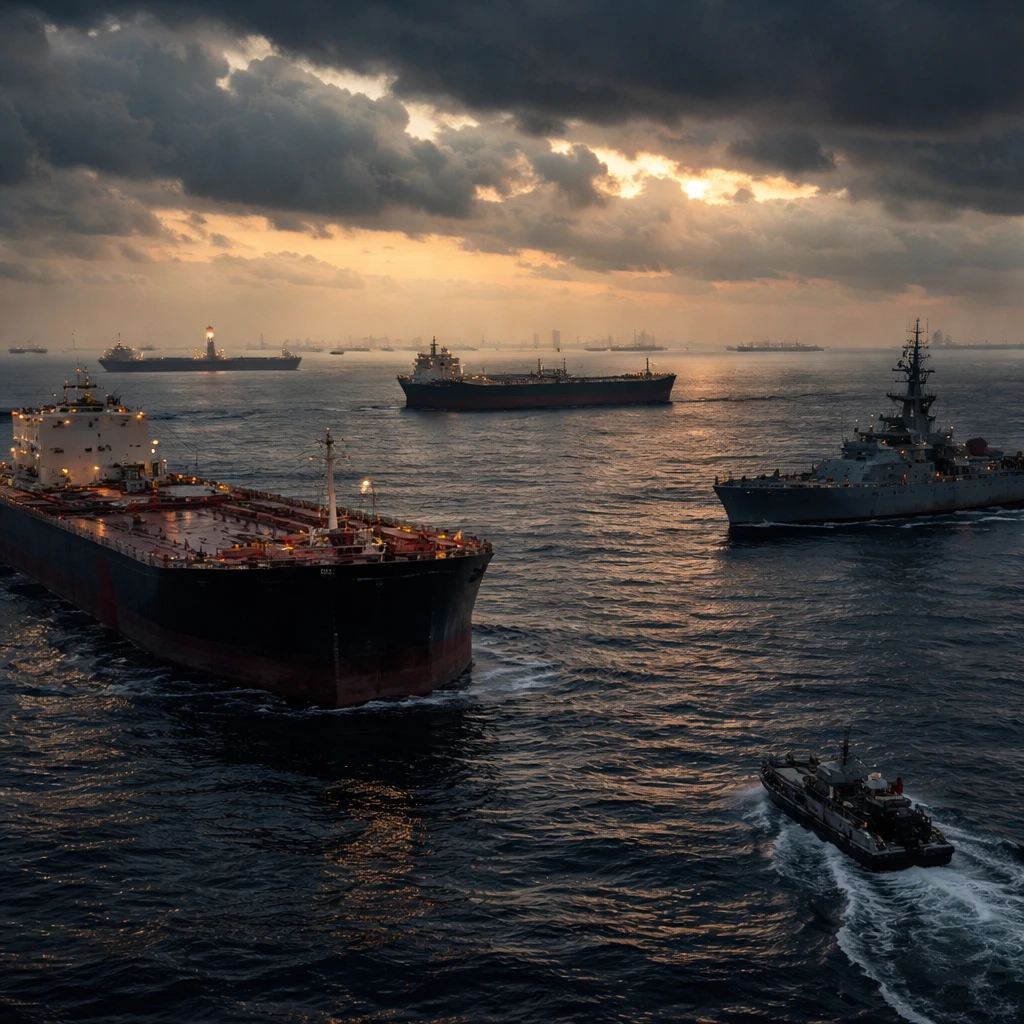
Shipping activity through the strait has largely ground to a halt as tankers and maritime operators err on the side of caution. The United Kingdom Maritime Trade Operations agency reported that a vessel transiting outbound through the Strait of Hormuz was struck by an unknown projectile. The incident caused damage to the ship's engine room and resulted in a casualty among the crew.
Market moves have mirrored the heightened geopolitical tension. Brent crude futures climbed above $90 a barrel, reviving concerns that energy-driven price pressure could feed into higher inflation and prompt central bank tightening. U.S. government bond yields have moved upward as well, reflecting market sensitivity to energy and geopolitical risk.
Still, Wolfe's analysts emphasize that they are "not counting on a deal any time soon," noting that neither side appears particularly constrained by the risk of triggering larger-scale violence. They also point to the relative stability in market inflation expectations and recent movement in shorter-term yields as evidence that the U.S. economy can absorb the impact of higher energy prices.
"Beyond the direct consumer impacts, we've focused throughout the post-MoU period on the risk that energy prices could drive up yields, among other factors. But inflation breakevens have actually behaved fairly well post-MoU, and shorter yields have come down since the July FOMC meeting, so Iran-related energy disruptions don't really seem to be pressuring yields much at the moment," the analysts wrote.
Their assessment frames a view in which the current, elevated-but-contained oil price environment is likely to persist while key uncertainties remain unresolved: the real extent of covert oil flows, the operational condition of the Strait of Hormuz, and the potential for further military escalation. Each of those variables carries implications for energy markets, shipping and insurance costs, and the yield curve.
For now, the combination of stalled transit through the strait, episodic attacks on shipping, diplomatic maneuvering involving Oman, and mixed signals from both Tehran and Washington has left markets cautious but not panicked. Brent’s move above $90 and the uptick in U.S. yields underscore the immediate sensitivity of markets to developments, even as inflation breakevens and shorter-term rates provide some offset to the narrative of an approaching macro shock.
Clear summary
The expiration of a ceasefire framework has reinforced a prolonged stalemate between the U.S. and Iran, and Wolfe Research analysts say that reported covert oil shipments could keep prices elevated but not catastrophically so. Shipping through the Strait of Hormuz has largely stopped amid attacks and threats, Brent crude has risen above $90 a barrel, and U.S. yields have ticked higher, yet inflation breakevens and shorter yields have shown resilience, suggesting limited immediate pressure on the U.S. economy.