
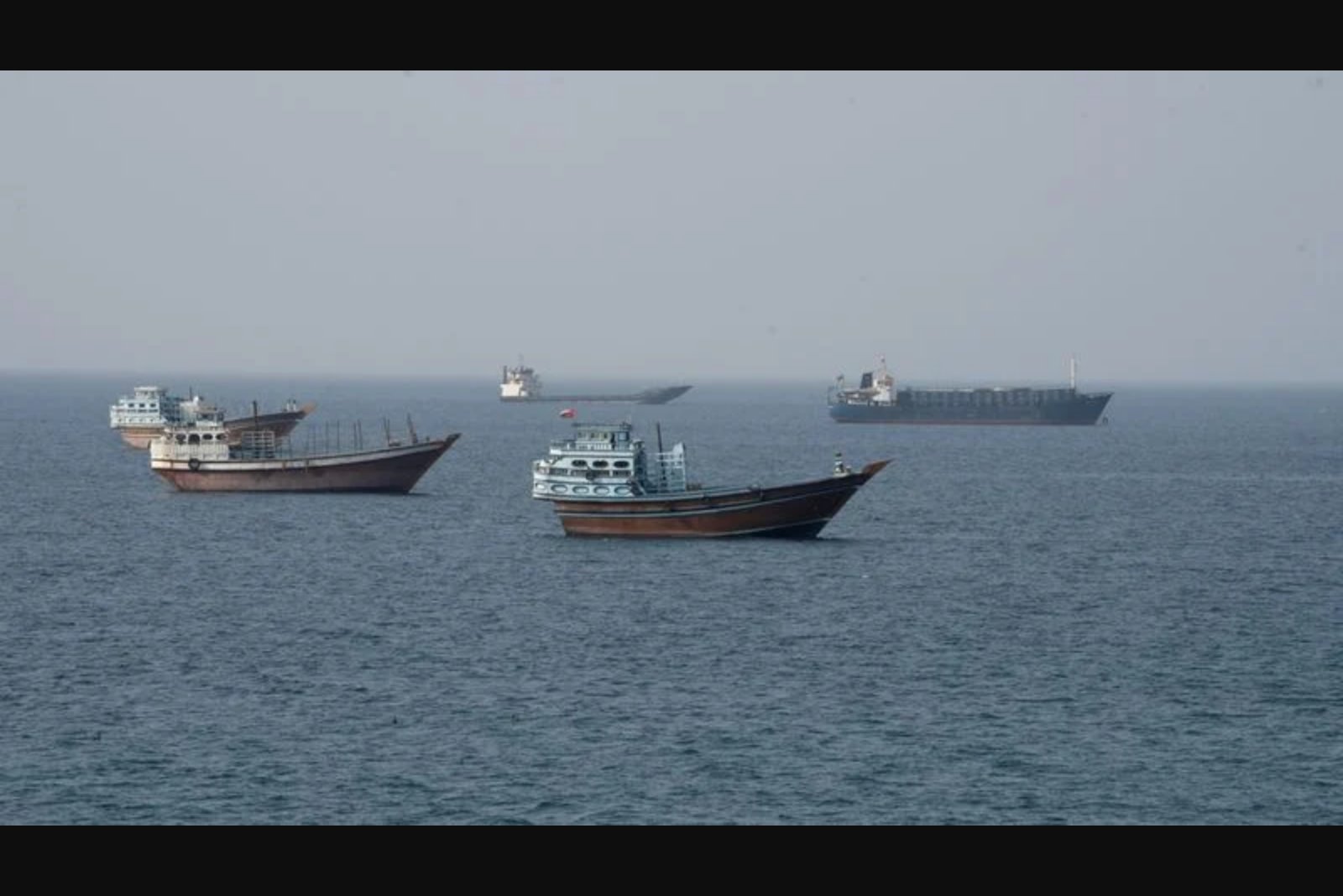
DUBAI, Aug 18 - Iran has announced that the Strait of Hormuz will remain closed until the United States meets the conditions set out in an interim memorandum of understanding signed in June, Mohammad Baqer Qalibaf, the country's lead negotiator, said in remarks published by state media.
Speaking to parliament, Qalibaf listed the conditions that must be satisfied before the narrow waterway is allowed to reopen. According to his statement, Washington must lift what Iran describes as a blockade of Iranian ports, remove oil-related sanctions, free Tehran’s frozen assets, and halt threats and military operations on all fronts.
The memorandum of understanding, finalised on June 17, envisaged a path toward a broader, final agreement. That MoU included a commitment by Iran and the United States to negotiate a comprehensive deal - addressing wider matters such as the fate of Iran's nuclear programme - within a maximum of 60 days, with the possibility of extending that period by mutual consent.
However, the arrangement unraveled quickly after a dispute surfaced over control of the Strait of Hormuz. The strait is a strategically vital chokepoint and was responsible for transporting roughly one fifth of global oil and liquefied natural gas flows prior to the outbreak of the conflict.
In early July, U.S. President Donald Trump declared the agreement "over" on July 7. About a week later, Iran's foreign ministry characterised the MoU as "suspended." More recently, a senior Iranian official said on Monday that Tehran would shift to a "fully offensive" posture as diplomatic efforts toward a permanent end to the conflict stalled.
Summary
- Iran will keep the Strait of Hormuz closed until the United States meets conditions from an interim June agreement.
- Conditions include lifting port blockades and oil sanctions, releasing frozen assets, and stopping military threats and operations.
- The June 17 memorandum fell apart over control of the strait, a previous conduit for about one fifth of global oil and LNG flows.
Key points
- Energy markets and global oil and LNG supply routes are directly implicated by the closure of the strait.
- Diplomatic commitments under the June 17 MoU - including a 60-day window for negotiating a final deal - have been suspended amid disputes about control of the waterway.
- Shifts in military posture by Iranian officials have been announced in response to stalled diplomacy, creating further uncertainty for regional security and shipping.
Risks and uncertainties
- Continuation of the strait's closure poses a material risk to global energy shipments and could disrupt oil and LNG logistics.
- Breakdown of the interim agreement and the stated move toward a more offensive posture raise uncertainty for regional maritime security and international trade routes.
- Unresolved negotiations and the suspension of the MoU leave the timing and terms of any reopening of the strait unclear.