
Aug 18 - Velaura AI announced it has secured $110 million in a Series A funding round that places the chip design company above the $1 billion valuation threshold. Investors in the round included lead backer Seligman Ventures and a new participant, Capricorn Investment Group. Existing investors Samsung Catalyst Fund, StepStone Group and Maverick Silicon also took part.
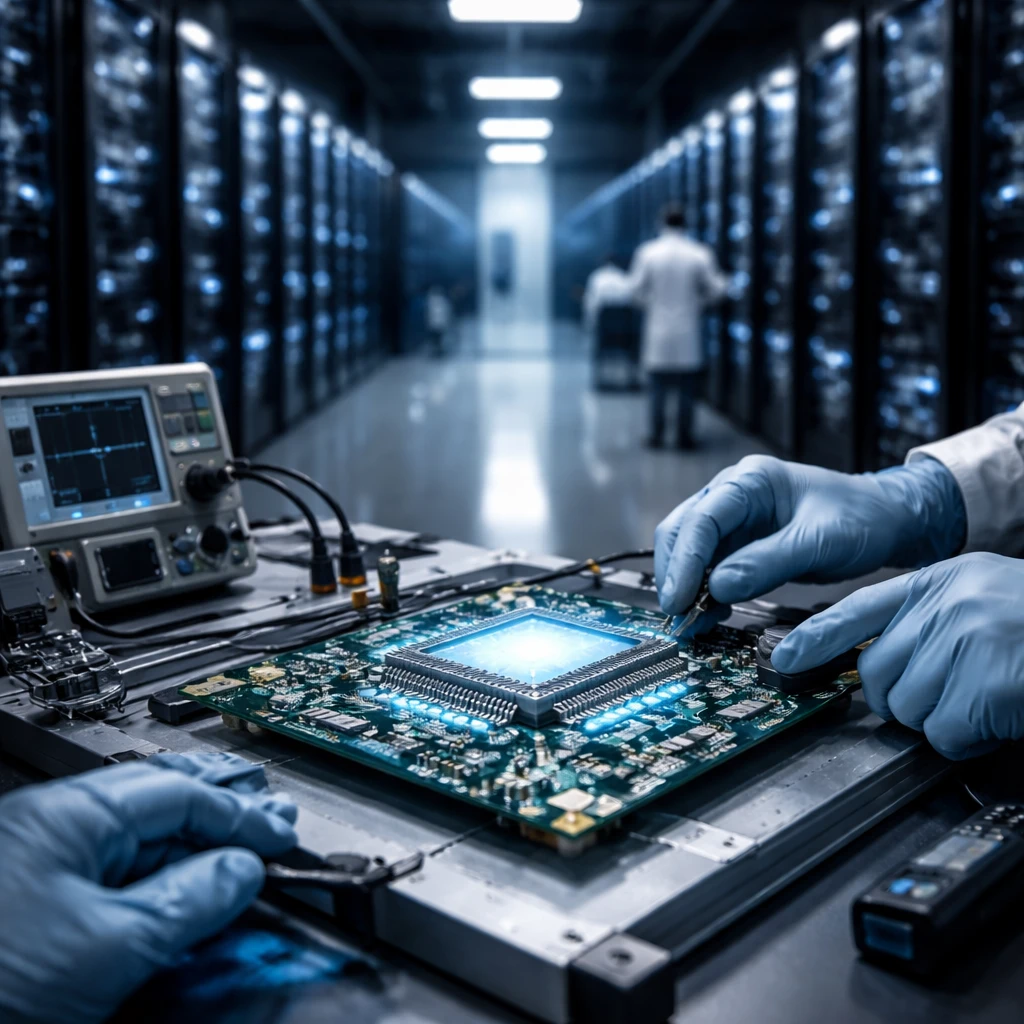
The startup focuses on designing low-power chips and complementary software for AI data centers and for so-called physical AI applications, a category that covers robotics and autonomous systems. Velaura says its technologies aim to lower power consumption and operating costs associated with running AI workloads in data centers.
Company officials stated that the newly raised capital will be directed toward accelerating both development and deployment of its AI products. The funds are also earmarked for expanding the team, with plans to hire additional engineers and customer-facing personnel to support commercialization efforts.
Earlier this year, Velaura introduced Titan Core, described by the company as its proprietary chip design platform engineered to deliver improved efficiency and power savings in data center workloads. The announcement of the Series A follows that product news.
Rajiv Khemani, co-founder and chief executive officer of Velaura AI, framed the company’s mission in a statement, saying: "The next era of AI will be defined not only by better models, but also by fundamentally better compute economics."
Context and implications
Velaura’s funding and valuation point to investor interest in lowering the energy and cost footprint of AI compute. The company positions its chip and software stack as a way to reduce power draw and operating expenses for data centers running AI workloads, while also targeting edge and physical AI implementations such as robotic platforms and autonomous systems.
Management has signaled the proceeds will be used to move products more quickly from development toward deployment, and to scale customer support and engineering resources to meet anticipated demand.