
Economy July 6, 2026 01:07 PM

Panetta warns European central banks may face mounting political pressure as fiscal needs rise

Bank of Italy governor cautions on 'fiscal dominance' as defence, industrial and welfare spending strains grow in major economies

By Nina Shah
Share
Twitter Reddit Facebook LinkedIn

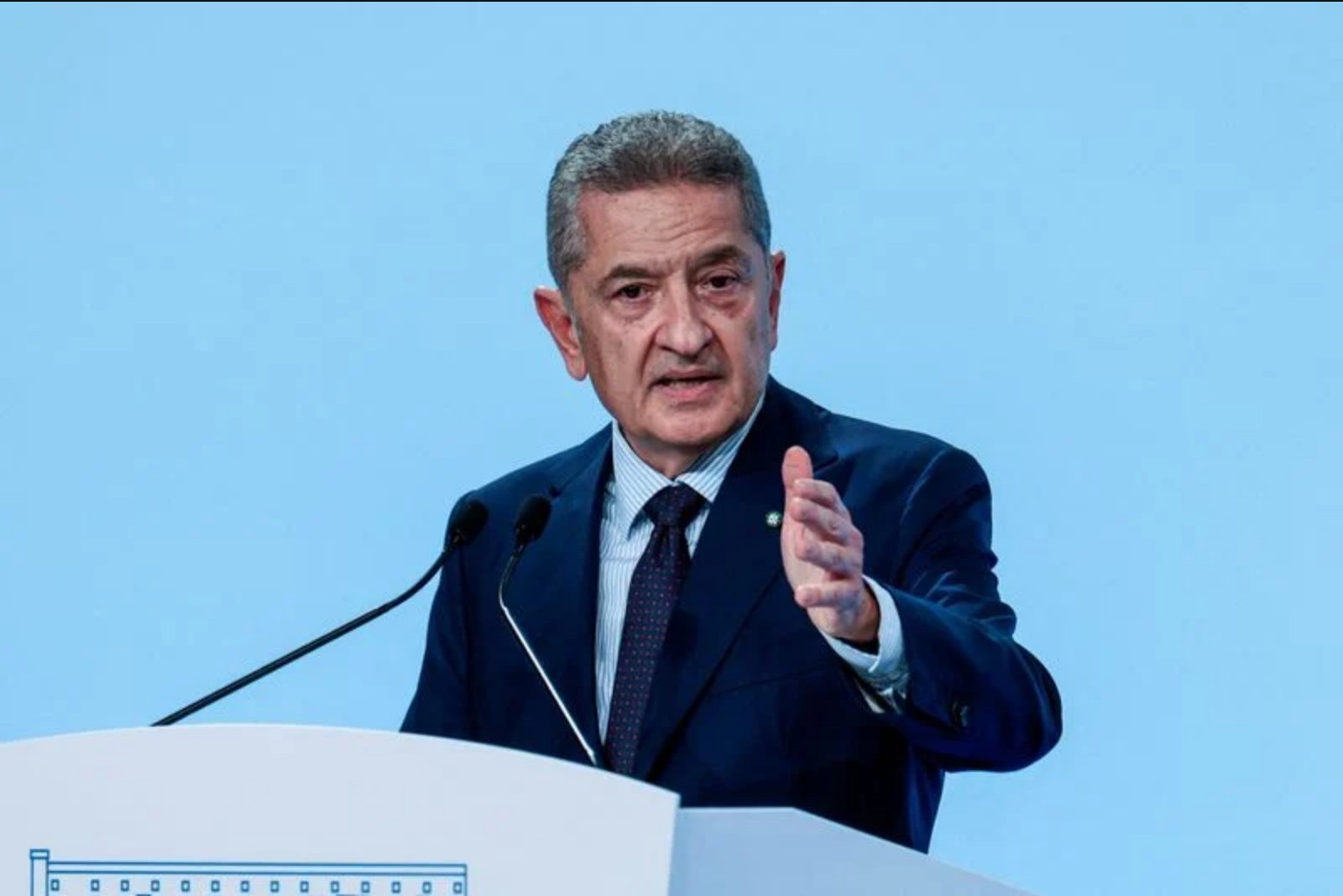
Bank of Italy Governor Fabio Panetta warned that central banks across Europe could encounter increasing pressure from governments seeking additional spending on pensions, industry and defence. He cautioned that rising voter demand for fiscal measures may push monetary policy into a subordinate role - a condition he described as fiscal dominance - and highlighted signs of tension between indebted governments and independent central banks.

Panetta warns European central banks may face mounting political pressure as fiscal needs rise
Summarize with
ChatGPT Perplexity Claude Grok Gemini

Key Points

  • Fabio Panetta warned European central banks could face growing political pressure as governments seek more spending on pensions, industry and defence.
  • Panetta described the risk of 'fiscal dominance' where government financing needs dictate monetary policy, noting voters' preferences could overwhelm central bank resistance.
  • Developments cited include Japan's government efforts to shift the Bank of Japan dovishly, a U.S. Supreme Court decision preserving Fed independence from presidential removal, and comments by ECB President Christine Lagarde regarding a potential role in French election discourse.

Bank of Italy Governor Fabio Panetta said on Monday that central banks in Europe could come under intensifying pressure from governments coping with a rising need for pension spending and industrial support.

Panetta pointed to fiscal strains in major economies including Germany, France and Italy, which he said are all finding it difficult to finance higher defence budgets, support industrial revival, and maintain welfare systems stretched by ageing populations.

Speaking after a presentation by Oxford University academic Beata Javorcik at an event in Rome, Panetta warned that these fiscal demands could increasingly dictate monetary policy. He used the term fiscal dominance to describe a scenario in which government financing needs shape central bank decisions, and said: "My first reaction is thank God that we’ll retire soon because I think we will be more and more under fiscal dominance."

Panetta added that if voters shift toward greater fiscal spending, he would not expect central banks to be able to "stop the waves."

The governor underscored the central role central banks play in determining government borrowing costs, noting their direct influence over short-term interest rates and their ability to affect bond yields through market operations.

His comments come amid what he described as emerging signs of tension between heavily indebted governments and their central banks, a dynamic that could threaten long-standing institutional independence.

Panetta referenced developments in other jurisdictions to illustrate the point. In Japan, he noted, the government led by Sanae Takaichi is seeking to restore dovish policymakers to the Bank of Japan in a move aimed at slowing the pace of interest rate increases.

He also cited a recent U.S. Supreme Court decision that refused to allow former President Donald Trump to remove a Federal Reserve governor last week, observing that the ruling left the U.S. central bank as the lone agency shielded from presidential removal power.

Panetta further mentioned that European Central Bank President Christine Lagarde did not rule out having a role in next year’s French presidential election, even if that role were limited to bringing a European argument into national politics. The comments collectively highlight the growing intersection between fiscal pressures, electoral politics and central bank independence.

Risks

  • Erosion of central bank independence if governments increase pressure for accommodative policy to finance higher defence, industrial or welfare spending - impacts sovereign bond markets and interest-rate sensitive sectors.
  • Rising fiscal demands in Germany, France and Italy could push monetary policy toward supporting government financing, creating uncertainty for banks, insurers and fixed-income investors.
  • Political interventions or shifts in central bank leadership in other jurisdictions, such as efforts in Japan to reappoint dovish policymakers, could signal broader challenges to central bank credibility and market stability.

More from Economy

Schnabel: Euro Zone Recovery Still Fragile Despite Falling Oil Prices Jul 6, 2026 ECB policymaker warns Iran-related shock persists despite lower oil prices Jul 6, 2026 Waller Says Inflation Now the Primary Risk as U.S. Labor Market Stabilizes Jul 6, 2026 ECB official warns of growing fiscal pressure on central banks Jul 6, 2026 Trump Signals Possible September 24 Meeting with China’s Xi, Cites UNGA Timing Jul 6, 2026