
The U.S. Supreme Court has announced a series of high-profile appeals for its new term beginning in October, touching on polarizing constitutional issues and several major corporate disputes. The cases that will reach the justices include challenges over gun regulations, voting restrictions, detention of convicted immigrants, and conflicts between religious rights and LGBT protections. In addition, the court will hear business-related appeals involving energy companies, technology platforms and consumer brands.
Gun rights and assault-style weapon bans
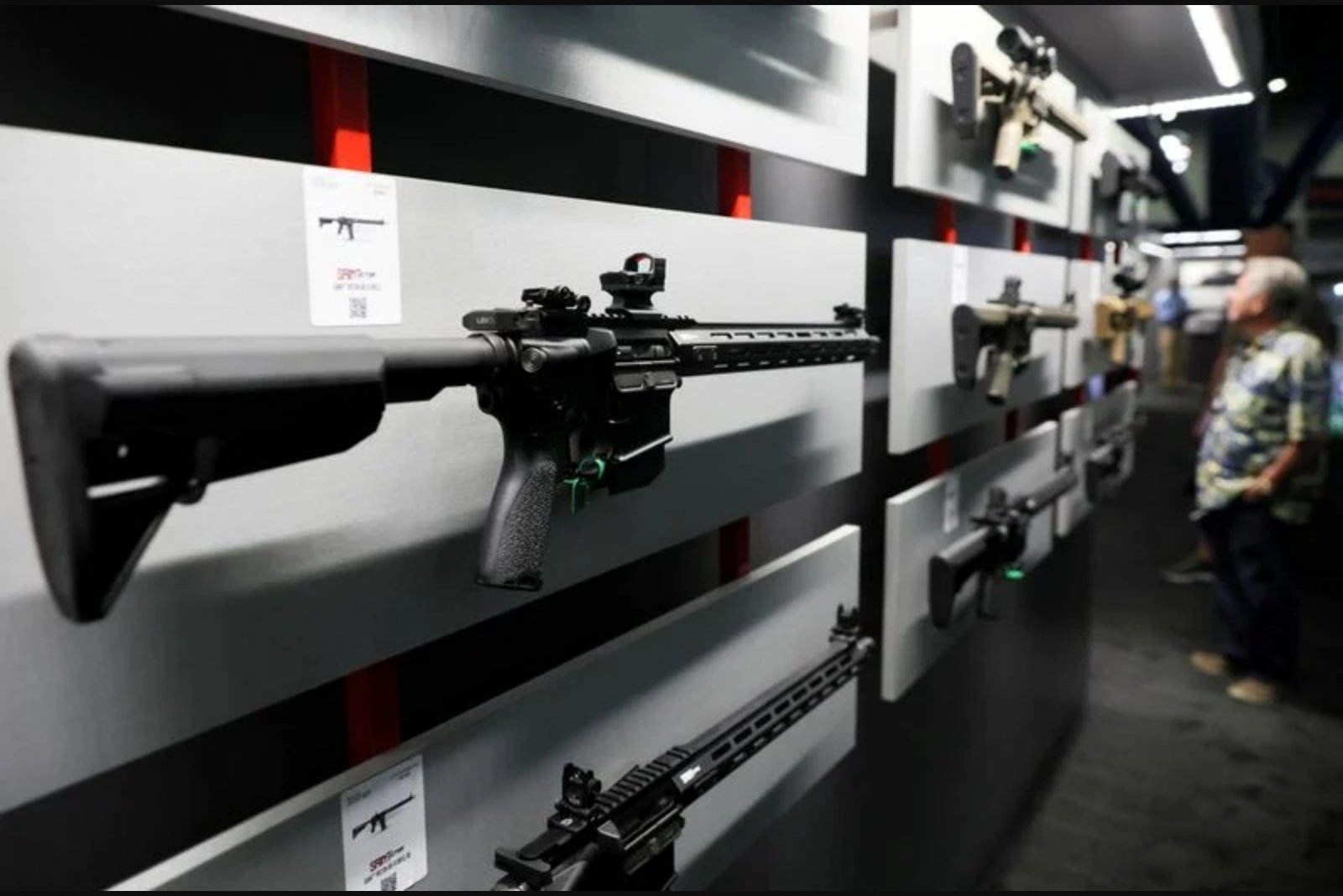
Among the most closely watched matters is a challenge to state-level prohibitions on assault-style rifles such as AR-15s. The court has taken up two appeals after lower courts upheld bans enacted in Connecticut and in Cook County, Illinois, which contains the city of Chicago. The pending appeals give the justices an opportunity to consider whether such restrictions survive constitutional scrutiny under the Second Amendment.
The court, with a 6-3 conservative majority, has broadened its interpretation of the right to "keep and bear arms" over the last several years and issued additional rulings last month that further expanded gun rights. Gun rights advocates argue that Supreme Court precedent protects these weapons on the basis that they are in "common use." Advocates of the bans contend the weapons are effectively weapons of war and tools favored by criminals and terrorists.
Under a significant framework the court established in 2022, modern firearm regulations must be "consistent with this nation’s historical tradition of firearm regulation" to comport with the Second Amendment. That standard has produced divergent outcomes in lower appellate courts: since the 2022 decision, four U.S. appeals courts have sustained state bans on assault-style firearms.
Vanderbilt University law professor Brian Fitzpatrick said the justices will face a difficult task in applying historical understandings to contemporary firearms. "I think it’s going to be hard for them to kind of sort out what the original understanding is for these kinds of new types of weapons," Fitzpatrick said. He added that the court will need to assess, among other questions, whether these semiautomatic firearms even qualify as "arms" under the Second Amendment. Some appeals courts have concluded they do not, reasoning that such weapons are poorly suited to self-defense and are principally useful for military purposes.
Voting rights and Arizona’s challenged rules
The justices will also take up a voting-rights dispute that seeks to reinstate Arizona provisions aimed at tightening proof-of-citizenship requirements for voter registration and empowering the state to remove from rolls those it believes may not be U.S. citizens. A lower court enjoined parts of Arizona’s law after finding they violated a federal voter registration statute in a lawsuit brought by the Latino-focused group Mi Familia Vota.
Critics of such measures view them as efforts to depress turnout and disenfranchise groups that typically favor one party, while proponents frame the changes as efforts to bolster election security. Hector Sanchez Barba, head of Mi Familia Vota, criticized the Department of Justice’s position in the dispute, saying: "Much like with its mass-deportation agenda, the Department of Justice is asking for something unprecedented: the power to remove voters from the rolls based solely on suspicion that they are not citizens."
Detention and due process for convicted immigrants
The court will hear an appeal from the Trump administration concerning the legality of detaining certain non-citizens with criminal convictions for extended periods without bond hearings. A lower court had ruled that the constitutional right to due process bars "unreasonably prolonged" detention without a hearing for non-U.S. citizens who face deportation after criminal convictions. The appeal invites the justices to weigh the scope of due process protections afforded to non-citizens during removal proceedings.
Religious exemptions and LGBT protections in Colorado
In another case touching on the intersection of religious freedom and LGBT rights, the Supreme Court will consider a challenge from the Archdiocese of Denver and other Catholic entities seeking an exemption from Colorado’s preschool funding program nondiscrimination requirement. The dispute follows the justices’ March decision to strike down a Colorado law banning licensed therapists from engaging in so-called conversion therapy with minors on free-speech grounds. A lower court previously found that the state’s preschool funding program did not violate the religious rights of the Catholic plaintiffs.
Corporate appeals on the calendar
The court’s docket for the coming term also includes several business-related fights. Officials in Boulder, Colorado, have pursued climate-related litigation against large energy companies; ExxonMobil and Suncor Energy are challenging efforts to proceed with such a lawsuit. The justices will also hear an appeal stemming from the antitrust litigation brought by Epic Games against Apple, and a trademark dispute involving PepsiCo.
Just last week the court completed its final rulings of the previous term, a series of decisions notable for their focus on matters connected to the Trump administration. Additional Trump-related cases pending in lower courts may arrive at the high court during the next term.
The upcoming docket presents a broad array of constitutional and statutory questions that will likely prompt extended legal and public debate. The array of cases spans individual rights and liberties, the limits of government power in immigration and election policy, and large-scale corporate liability and regulatory oversight.