
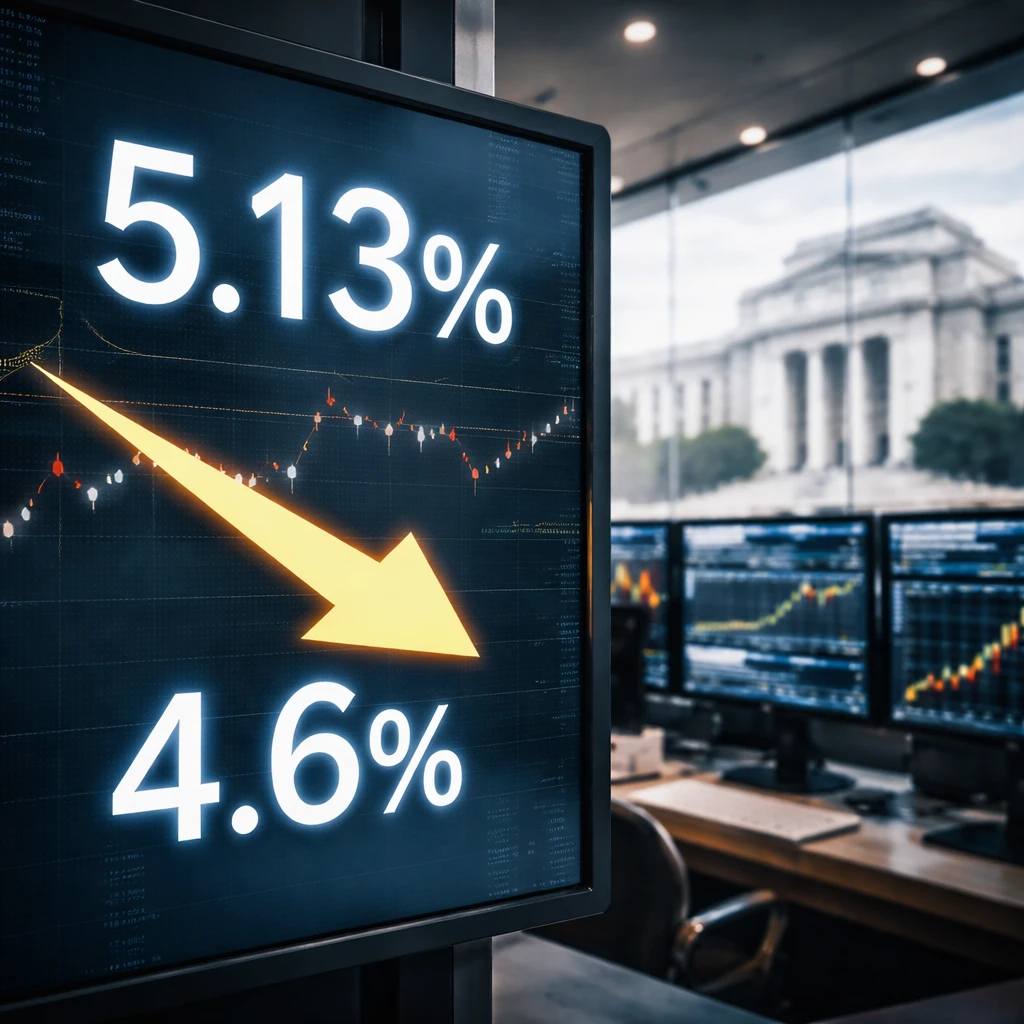
Goldman Sachs analysts have projected that the U.S. 10-year Treasury yield will fall to 4.6% by the end of 2027, according to a research note, as high starting yield levels and fading risks of a hawkish central bank policy outlook are expected to help bolster total returns from the benchmark security next year.
The analysts also suggested that bonds could see their value as a risk hedge improve. Treasury yields, which tend to move inversely to bond prices, currently sit around 5.13% following a steep selloff in recent days partially fueled by hotter-than-expected inflation data. That data has ignited bets that the Federal Reserve could roll out a larger-than-normal interest rate increase at its December gathering. Some Fed members have also called for further hikes to corral inflation after the central bank's first rate bump since 2023 in September.
Other central banks around the world, including the European Central Bank and Bank of Japan, have also raised borrowing costs. Policymakers have highlighted worries over persistent price gains driven by an energy shock stemming from the Iran war.
Still, the Goldman analysts predicted that the Fed, along with most other global central banks, will ultimately roll out fewer hikes than markets are now pricing in for 2027.
While it may take time, evidence of inflation progress should see the balance of risks shift from higher to lower policy rates across much of the G10, the analysts wrote.
The projection implies a notable decline from current levels, with the 10-year yield hovering near 5.13% as of the latest reading. The recent selloff has been partially attributed to inflation data that came in hotter than expected, fueling speculation about a larger-than-normal rate increase from the Federal Reserve at its December meeting. Some Fed members have also advocated for additional hikes to bring inflation under control, following the first rate increase since 2023 in September.
Globally, other central banks, such as the European Central Bank and Bank of Japan, have also raised borrowing costs. Policymakers have expressed concerns over persistent price gains driven by an energy shock stemming from the Iran war.
Despite these pressures, Goldman Sachs analysts expect the Fed and most other global central banks to ultimately deliver fewer hikes than markets are currently pricing in for 2027. They noted that while it may take time, evidence of inflation progress should shift the balance of risks from higher to lower policy rates across much of the G10.