
A House of Lords committee has issued a stark warning that the UK government is complacent about catastrophic risks facing the country, including AI-enhanced cyber attacks, sabotage, and war. The National Resilience Committee, in a report published Monday, said that current resilience plans are largely outdated and fail to prepare central and local governments for multiple simultaneous crises.
The cross-party group conducted a nine-month inquiry and found that existing frameworks do not account for concurrent events such as cyber attacks, water supply disruption, biological hazards, and infrastructure collapse occurring at the same time.
To address these shortcomings, the committee recommended appointing a cabinet minister dedicated solely to resilience, supported by a chief resilience officer at permanent secretary level. It also called for an annual resilience statement to parliament by the prime minister.
The report revealed that the UK imports 80% of the active ingredient for penicillin antibiotics from China and has no domestic antibiotic manufacturing capacity. Only one antibiotic manufacturer remains in all of Europe.
The committee also noted that nine retailers account for approximately 94.5% of food sold through UK supermarkets, making supply chain interruptions a central concern for national resilience. The peers called for plans to switch off digital terrestrial television to be scrapped and urged diversification of supply chains for critical products including medicines, food, and water. They advocated for a shift from a 'just-in-time' approach to being 'just-in-case.'
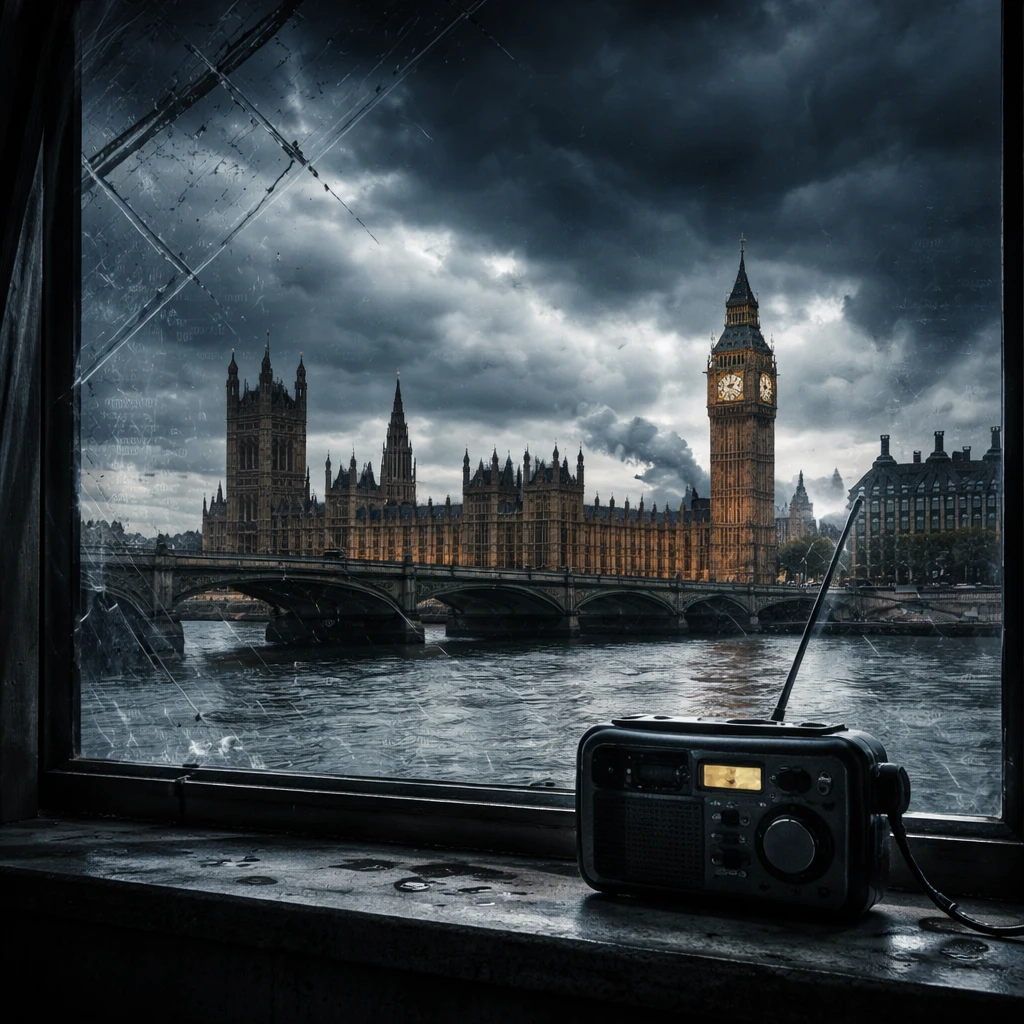
The committee said the government's 'Be Ready' campaign launched last month, which encourages households to stock emergency supplies such as food, water, and a windup radio, was a step in the right direction but insufficient.
In a direct appeal, the report said: 'The government should stop being squeamish about telling it straight to the public about the kind of threats we face. Evidence suggests that the public would reward honesty and openness with trust and reassurance, not fear and alarm.'
The findings underscore concerns about the UK's ability to withstand shocks that could disrupt critical supply chains and essential services, with potential implications for sectors ranging from healthcare to retail and broadcasting.