
Oil futures declined as market participants adjusted to signals that global supply may outpace demand in the coming months. By 0145 GMT, Brent futures were down 47 cents, or 0.49%, at $95.37 a barrel, while US West Texas Intermediate (WTI) slipped 23 cents, or 0.26%, to $88.33.
Prices had already closed lower on Friday as traders balanced signs of easing geopolitical tension stemming from the US-Israeli war against Iran - now in its ninth month - against ongoing security incidents at sea. The two benchmarks had fallen 16% and 13%, respectively, in the prior week as market sentiment shifted.
Supply outlook and agency guidance
The International Energy Agency (IEA) said the world oil market will return to a surplus in the fourth quarter of this year, citing faster-than-expected recovery of Middle East exports relative to global oil demand despite continuing attacks on shipping. The IEA expects oil supply to average 105 million barrels per day in the fourth quarter, which it said is 1.7 million barrels per day higher than forecast demand. That projection reverses the agency's earlier view, when it had forecast a fourth-quarter supply deficit.
The IEA also provided additional detail on volumes remaining from a record release of emergency reserves pledged by its members in March. The agency said 71 million barrels would be made available by the end of February, including 15 million barrels of diesel intended to help ease market tightness.
Market commentary
"For the first time since the US-Iran conflict began, traders are actively contemplating the possibility of excess supply rather than persistent tightness. That shift in narrative is clearly dampening the tone," said Tim Waterer, chief analyst at KCM Trade.
US policy step eases domestic logistics
Prices were further pressured by a US policy move aimed at easing domestic fuel transport. The White House said US President Donald Trump extended for 90 days a waiver of the Jones Act, the shipping law that normally requires US-flagged ships to carry cargo between US ports. The extension allows foreign-flagged vessels to transport oil and fuels - including gasoline and diesel - between US ports more easily, effectively increasing the pool of tankers available for coastal shipments.
Shipping frictions and price floor
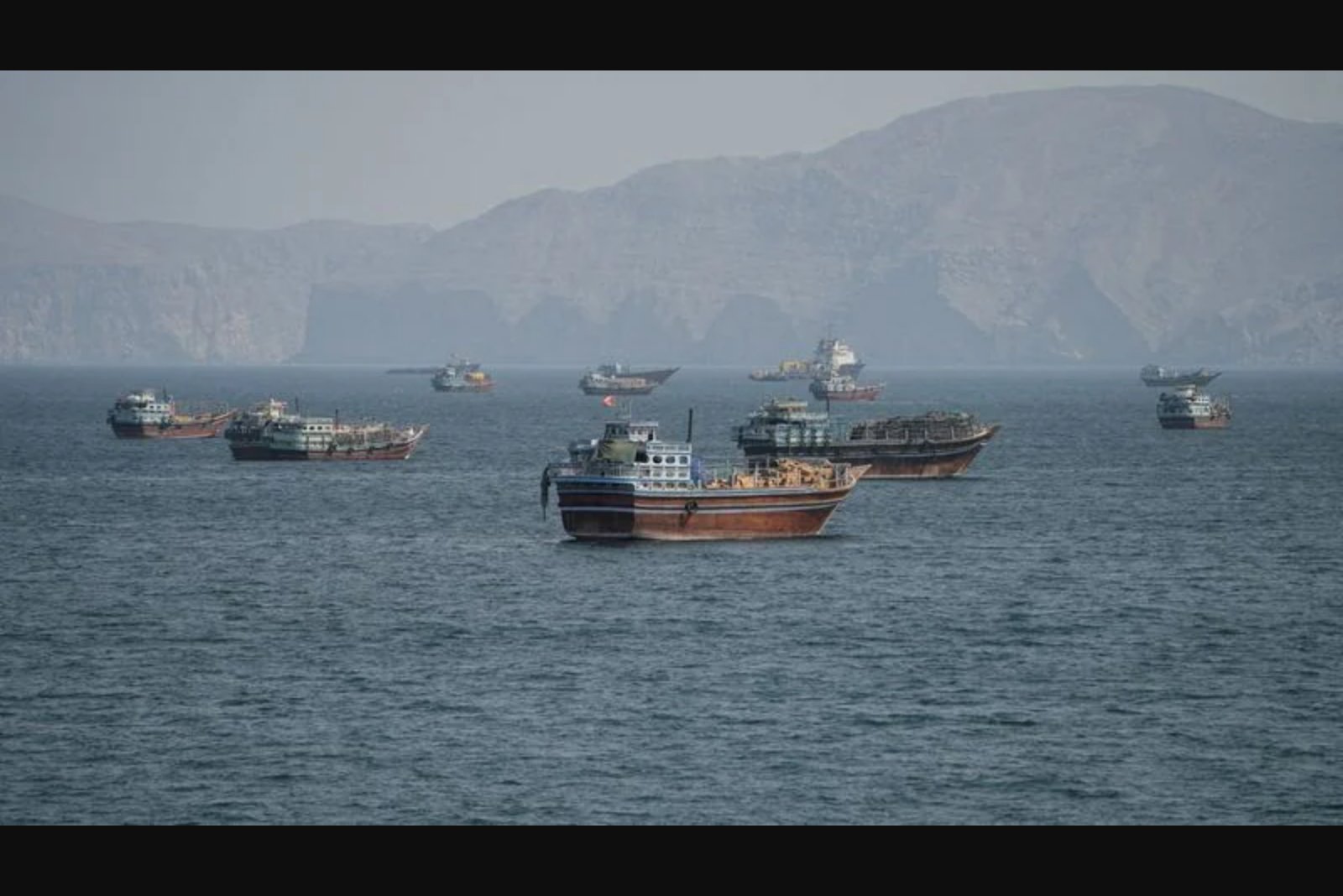
Despite the loosening of supply, shipping costs have stayed elevated, which market analysts say is likely to prevent an unchecked fall in prices. Waterer noted that rates remain high because tankers still face risks transporting crude through the Strait of Hormuz. In addition, many ships are tied up in shuttle duties - moving oil through the waterway to transfer to other vessels that then take cargoes to refineries - which reduces the immediate supply of available vessels.
Security incident reported
State media reported that Iran's navy said an oil tanker caught fire after striking a naval mine east of the Strait of Hormuz on Sunday night. That report was noted by market watchers, though the account of the incident was not independently verified in the reporting.
Implications
The combination of a prospective supply surplus driven by recovering Middle East exports and US policy steps to broaden tanker availability for domestic coastal transport has pushed traders to reassess the balance between supply and demand. Market participants are watching how persistent shipping costs and any further security developments in the region will influence the trajectory of oil prices going forward.
Summary
Oil prices fell as traders reacted to IEA forecasts of a fourth-quarter supply surplus, the near-restoration of shipments via the Strait of Hormuz, and a 90-day extension of a waiver to the US Jones Act that permits foreign-flagged ships to move fuel between US ports. Elevated shipping rates and a reported tanker fire after a mine strike in the Strait area remain sources of uncertainty.