
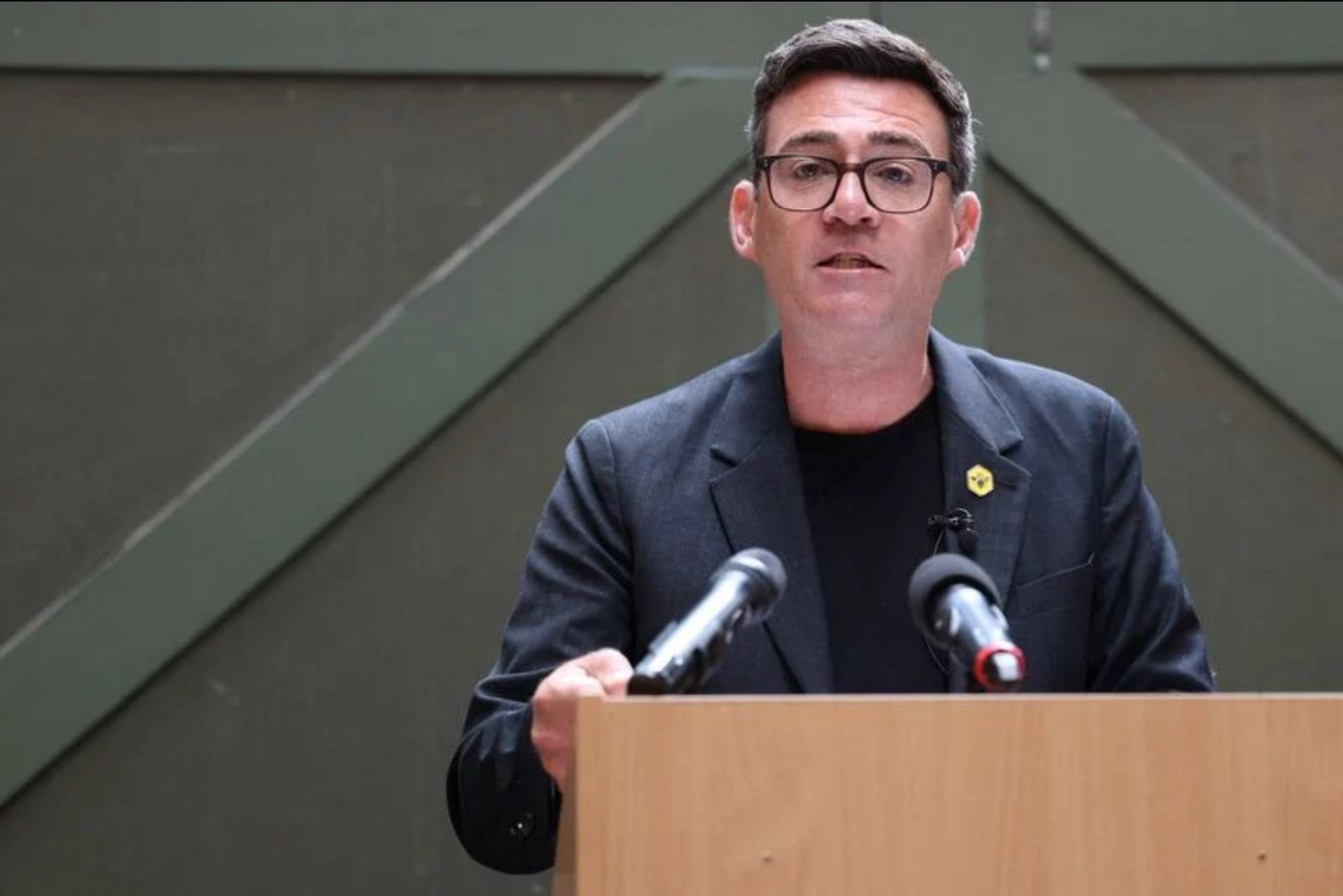
MANCHESTER, England, June 29 - Andy Burnham, the Labour lawmaker regarded as the probable successor to Prime Minister Keir Starmer, used his first speech since returning to Westminster earlier in June to underline that his policy plans adhere to the party's 2024 manifesto and to restate his support for the party's fiscal framework.
Burnham told listeners that his programme for change "whilst not taking risks with the public finances, will seek to give Britain some breathing space." He added that the way he intends to run the country is "consistent with the 2024 manifesto."
The fiscal rules he referenced are those that require balancing day-to-day public spending with tax revenues and aim to reduce public debt as a share of national output. These rules are watched closely by financial markets because they underpin expectations about government borrowing and long-term fiscal stability.
The 2024 Labour manifesto, presented before the party's landslide election victory in July 2024, included a pledge not to raise taxes on working people. Specifically, the manifesto committed not to increase income tax, social security contributions, or value-added tax.
Burnham emphasised that his proposals would be "backed by the stability that comes from sound public finances ... and the discipline of our current fiscal rules." His remarks sought to reassure markets and observers after investor concern the previous year about his fiscal stance, which followed comments in which he said the UK needed to move "beyond this thing of being in hock to the bond markets."
Context and market relevance
The comments come as markets continue to monitor the UK's fiscal trajectory closely. Fiscal rules that promote balanced day-to-day spending and a falling debt-to-output ratio are important reference points for investors assessing sovereign risk and the outlook for government borrowing.
By reiterating fidelity to the manifesto and to the fiscal rules, Burnham aimed to combine a pledge of political continuity with the promise of manageable public finances, signalling to markets that any proposed changes would be constrained by established fiscal guardrails.
What remains uncertain
- The form and timing of any specific policy changes Burnham plans to introduce as he moves toward the leadership role remain unspecified in his remarks.
- Market reactions to his reaffirmed commitment will depend on subsequent fiscal details and any future statements that clarify how his plans fit within the fiscal rules framework.